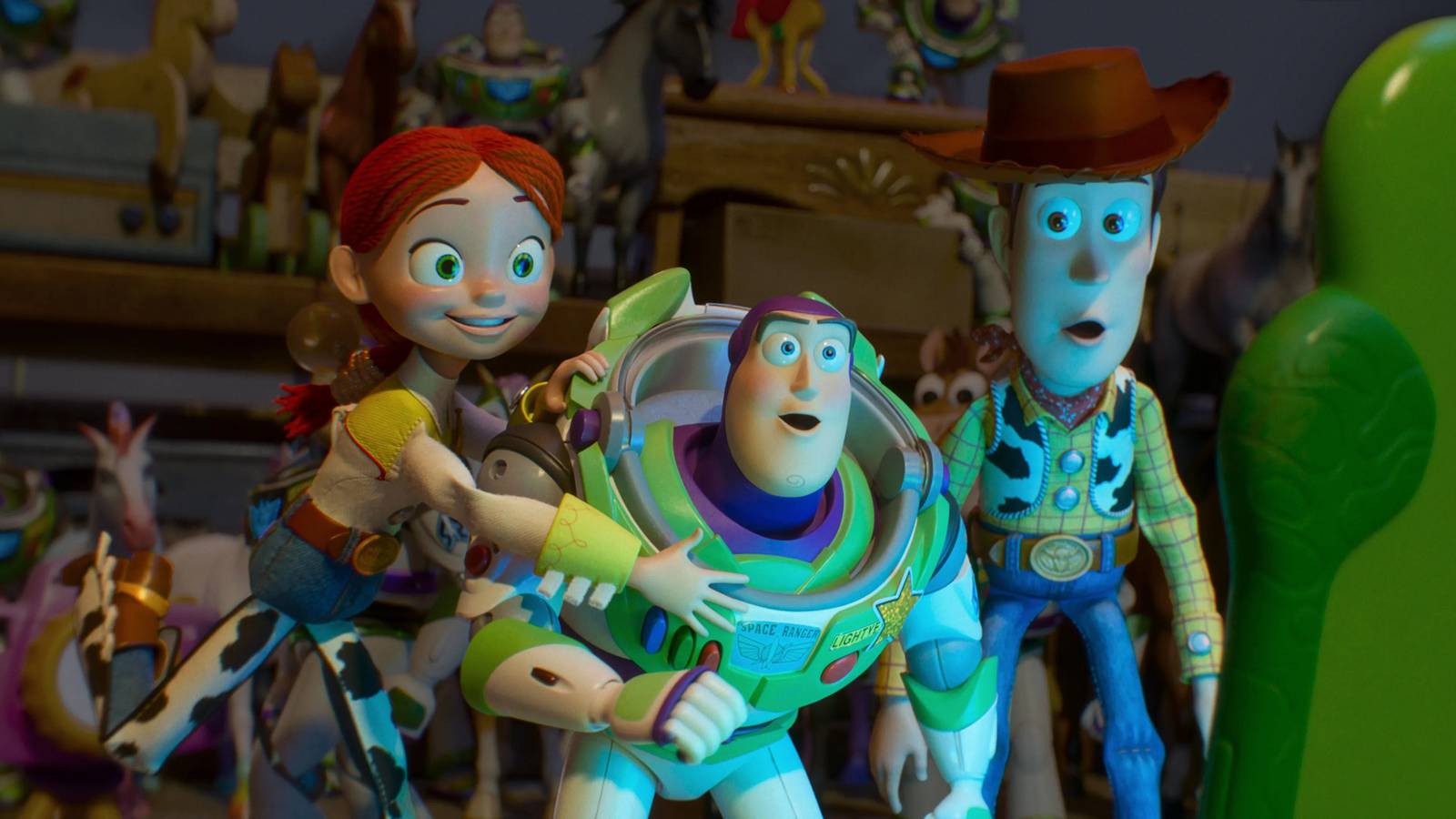
The return of the beloved *Toy Story* franchise to the cinematic landscape, following a seven-year hiatus since its last major installment, underscores its unparalleled endurance and impact on global audiences. What began as a groundbreaking technological marvel over three decades ago has evolved into a cultural touchstone, delivering four profoundly memorable big-screen adventures centered around the cherished characters of Woody, Buzz Lightyear, and their eclectic group of toy companions. Beyond the main saga, the universe has expanded with critically acclaimed spin-offs, further cementing its legacy. *Toy Story* has consistently maintained a sterling reputation for crafting narratives that are both hilariously entertaining and deeply moving, frequently eliciting both laughter and tears from viewers across generations. Its seminal debut marked a pivotal moment in cinematic history, not only as the first fully computer-animated feature film but also as a transformative force that forever redefined the scope and scale of animation.
A Legacy Forged in Innovation and Emotion
Since its inception, the *Toy Story* franchise has transcended mere children's entertainment, establishing itself as a sophisticated exploration of universal themes such as friendship, loyalty, purpose, obsolescence, and the bittersweet nature of growing up. Pixar Animation Studios, under the visionary guidance of its creators, masterfully blends cutting-edge animation with deeply resonant storytelling, ensuring that each installment offers layers of meaning that appeal to both young and adult audiences. This commitment to emotional depth, coupled with meticulously crafted humor and unforgettable characters, is the bedrock of the franchise's sustained popularity. The vivid personalities of Woody, the steadfast cowboy, and Buzz Lightyear, the intrepid space ranger, alongside an ever-expanding ensemble of unique toys, have become iconic figures in popular culture, their journeys reflecting broader human experiences and anxieties.
The Pioneering Spirit: Redefining Animation
The release of the original *Toy Story* in 1995 was nothing short of a revolution. Before its arrival, feature-length animation was predominantly the domain of traditional hand-drawn techniques. Pixar's daring venture into full computer-generated imagery (CGI) not only proved the viability of the technology but also demonstrated its immense potential for storytelling. The film's vibrant visuals, fluid character movements, and realistic textures, which were unprecedented at the time, captivated critics and audiences alike. This technological leap did more than just create a visually stunning film; it fundamentally altered the trajectory of the animation industry, paving the way for countless CGI-animated features that followed. The success of *Toy Story* empowered Pixar to become a dominant force in animation, known for its consistent innovation and narrative excellence, while simultaneously challenging other studios to elevate their own animation techniques and storytelling ambitions.
Ranking the Toy Story Saga: From Groundbreaking to Anticipated
Evaluating the *Toy Story* films is a testament to the franchise's consistent quality, where even the lowest-ranked entry typically stands as a strong cinematic achievement. This ranking considers critical reception, audience impact, narrative ambition, and emotional resonance to provide a comprehensive assessment of each installment, including the yet-to-be-released *Toy Story 5*.
5. Toy Story 4 (2019)
*Toy Story 4* is a visually stunning and emotionally mature film that, for some, felt like a departure from the established narrative conclusion of its predecessor. While lauded for its breathtaking animation, intricate character designs, and a compelling storyline exploring themes of existential purpose and finding new meaning, it sometimes receives criticism for its perceived necessity. The film introduced memorable new characters like Forky and Gabby Gabby, and brought back Bo Peep in a significantly redeveloped role, offering her a strong, independent narrative arc. Its exploration of Woody's ultimate destiny and his evolving sense of purpose resonated with many viewers, yet some found its concluding message somewhat bittersweet, diverging from the 'happily ever after' sentiment often associated with the franchise.
4. Toy Story (1995)
The original *Toy Story* holds an indelible place in cinematic history, not just for its technological breakthroughs but for its masterful introduction of iconic characters and a timeless narrative. Its story, centered on Woody's jealousy of new arrival Buzz Lightyear and their subsequent journey to find their way back to Andy, is a perfectly executed buddy comedy. While its animation, by today's standards, appears simpler, it was revolutionary for its time and perfectly suited the plastic, toy-like aesthetic. The film established the core emotional weight and humor that would define the series, laying the groundwork for all subsequent adventures. Its impact on popular culture and the animation industry cannot be overstated, making it an indispensable cornerstone of modern cinema.
3. Toy Story 2 (1999)
*Toy Story 2* is often cited as one of the rare sequels that not only matches but, in many ways, surpasses its predecessor. This film significantly expanded the *Toy Story* universe, delving deeper into Woody's origins as a valuable collector's item and introducing beloved characters like Jessie, Bullseye, and Stinky Pete. It explored more complex themes of identity, belonging, and the fear of being forgotten, particularly through Jessie's poignant backstory. The animation saw considerable advancements, with more detailed environments and expressive character models. Its narrative balance of thrilling adventure, heartfelt emotion, and laugh-out-loud humor solidified Pixar's reputation for crafting animated masterpieces and proved the franchise had much more emotional territory to explore.
2. Toy Story 5 (Anticipated)
The announcement of *Toy Story 5* has generated immense excitement and considerable speculation. As an unreleased film, its placement on this list is speculative, representing its potential and the weight of expectation it carries. Details surrounding its plot, director, and even its exact release date remain largely under wraps, fostering anticipation for what new narrative directions it might explore. The primary challenge for *Toy Story 5* will be to justify its existence following the seemingly conclusive emotional arcs of its predecessors, particularly *Toy Story 3* and *Toy Story 4*. Fans eagerly await to see how Pixar will continue the narrative, reintroduce familiar faces, and potentially bring fresh perspectives to this cherished universe while maintaining the high standards of storytelling and innovation that have become its hallmark.
1. Toy Story 3 (2010)
*Toy Story 3* is widely regarded as a pinnacle of animated storytelling, an emotional powerhouse that brought a seemingly perfect conclusion to Andy's story and the toys' journey with him. The film masterfully navigates themes of growing up, letting go, and finding a new purpose, all while delivering a thrilling, suspenseful escape narrative from a daycare center. Its climax, a poignant sequence at an incinerator, and its ultimate resolution with Andy passing his toys to Bonnie, evoked profound emotional responses from audiences worldwide. Critically acclaimed for its mature themes, sophisticated humor, stunning animation, and perfect blend of adventure and pathos, *Toy Story 3* not only achieved massive box office success but also earned an Academy Award for Best Animated Feature and even a nomination for Best Picture, solidifying its status as a timeless classic and arguably the franchise's most emotionally impactful entry.
The Enduring Cultural Phenomenon
Beyond the silver screen, the *Toy Story* franchise has permeated popular culture in countless ways. Its characters and themes are omnipresent, from extensive merchandise lines that include toys, apparel, and video games, to immersive theme park attractions at Disney resorts around the globe. This widespread cultural footprint is a testament to the franchise's universal appeal and the strong emotional connection audiences have forged with Woody, Buzz, and their friends. The narratives consistently resonate because they tap into the fundamental human experience of attachment, loss, and the search for belonging, all through the innocent yet profound lens of toys coming to life.
The *Toy Story* saga represents a unique intersection of technological pioneering, narrative brilliance, and enduring emotional resonance. Each film, while contributing to a larger overarching narrative, also stands alone as a testament to the power of animation to tell complex, heartfelt stories. As the world eagerly anticipates *Toy Story 5*, the franchise stands poised to continue its remarkable legacy, proving that some stories, much like the toys themselves, truly are forever. To dive deeper into the rich history of animated cinema, character analyses, and upcoming film releases, we encourage you to explore the extensive content available right here on our site.
Fonte: https://screenrant.com