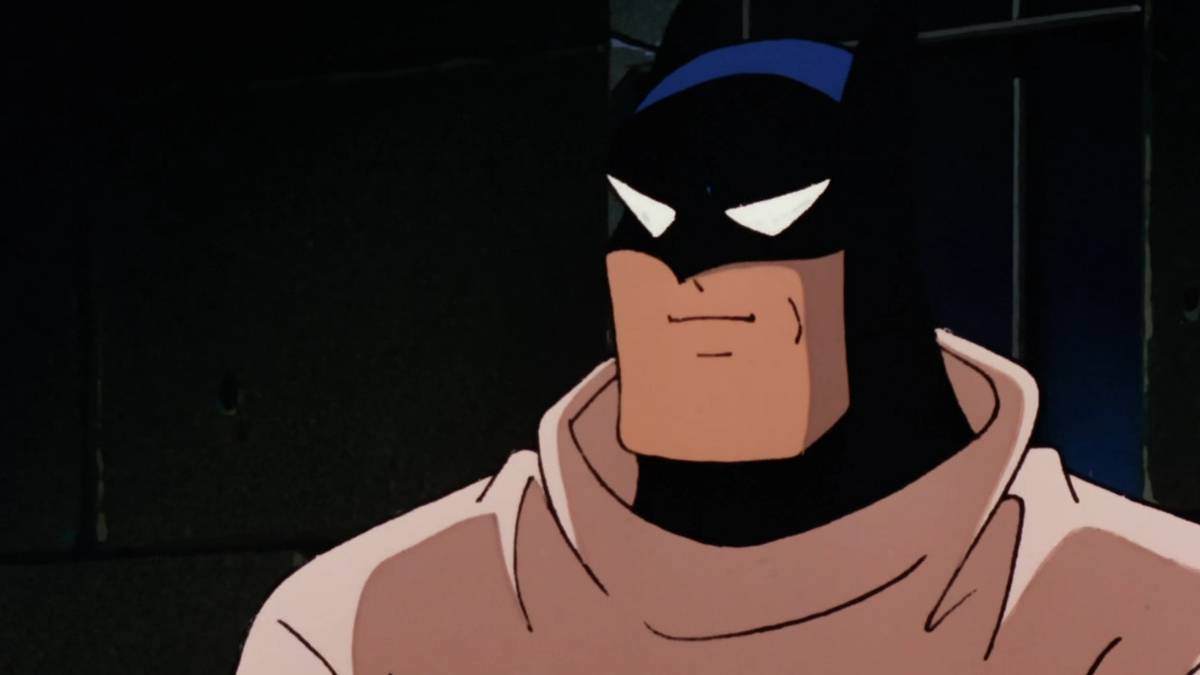
Few animated series have achieved the monumental cultural impact and critical acclaim of <b>Batman: The Animated Series</b> (BTAS). From its debut in 1992, it swiftly transcended the conventional boundaries of children's programming, establishing a new benchmark for superhero storytelling in any medium. The series was a veritable powder keg of talent, a meticulous collaboration that set the stage for countless shows that followed. Its enduring influence is consistently reaffirmed, with recent official acknowledgements and renewed interest proving beyond doubt that it remains the definitive interpretation of the Caped Crusader for generations of fans and creators alike.
The Genesis of a Groundbreaking Vision
The conceptualization of BTAS was driven by a clear vision: to create a Batman series that mirrored the gravitas and dark sensibility of Tim Burton's live-action films while also drawing inspiration from the character’s Golden and Bronze Age comic book roots. Spearheaded by **Bruce Timm** and **Eric Radomski**, the show deliberately adopted a 'Dark Deco' aesthetic, a blend of Art Deco influences with film noir sensibilities. This stylistic choice was crucial, as it allowed for a timeless backdrop that eschewed specific historical markers, enabling the narratives to feel perpetually relevant. The animation itself was a laborious process, notably the decision to animate on black paper, a technique that granted a richer, more atmospheric depth to the visuals, setting a brooding tone rarely seen in Saturday morning cartoons.
A Symphony of Unforgettable Voices
Central to the series' success was its unparalleled voice casting and direction, a testament to the genius of **Andrea Romano**. Romano's meticulous ear and steady hand brought together an ensemble that would become synonymous with their characters. Chief among these was **Kevin Conroy**, whose nuanced portrayal of Batman offered a duality never before fully realized: the stoic, gravelly vigilante and the suave, often melancholic Bruce Wayne. Conroy’s voice became the voice of Batman for an entire generation, setting a standard that subsequent actors would strive to emulate. Equally iconic was **Mark Hamill** as the Joker, who redefined the character with a blend of maniacal glee and terrifying unpredictability. Hamill’s performance was so transformative that he cemented the Joker’s status as Batman's ultimate nemesis, elevating the character beyond mere villainy into a realm of chaotic artistry. This exceptional voice talent imbued the characters with a depth and emotional resonance that made them feel incredibly real, despite their animated forms.
The Craft of Voice Direction
Andrea Romano's approach to voice direction was revolutionary. She insisted on recording actors together in the studio, fostering genuine chemistry and allowing for organic interactions, a stark contrast to the common practice of recording lines individually. This method created a more naturalistic dialogue flow and imbued emotional scenes with palpable tension and authenticity, contributing significantly to the show's dramatic power and its ability to engage audiences on a profound level. Her commitment to capturing the essence of each character through vocal performance ensured that every line delivered resonated with intention and feeling.
Sophisticated Writing and Thematic Depth
Beyond its striking visuals and stellar voice cast, BTAS was renowned for its sophisticated writing, co-helmed by the legendary **Paul Dini**. The writing crew consistently delivered narratives that explored complex themes of justice, morality, vengeance, and the blurred lines between hero and villain. Episodes often delved into the psychological motivations of Batman’s rogues’ gallery, presenting them not merely as caricatures, but as tragic figures with understandable, albeit misguided, origins. The series famously introduced **Harley Quinn**, a character so compelling that she transitioned from the animated screen to the comic books and eventually became a global pop culture icon, a testament to the show's creative prowess and lasting influence on the DC universe.
Impact on Character Development
The series meticulously crafted backstories and character arcs that deepened the understanding of Batman's world. Villains like Mr. Freeze, traditionally a one-note antagonist, were given poignant origins, transforming them into sympathetic figures whose desperate actions were born from profound loss. This humanization of its antagonists allowed for morally ambiguous storytelling, challenging viewers to consider the complexities of good and evil and solidifying the show’s reputation for mature content that never patronized its audience. It explored the trauma that forged Bruce Wayne into Batman with an unprecedented nuance, highlighting the internal struggle and sacrifice inherent in his crusade.
A Lasting Legacy: The Definitive Dark Knight
The enduring legacy of <b>Batman: The Animated Series</b> is undeniable. It not only spawned the critically acclaimed DC Animated Universe (DCAU), influencing subsequent animated projects like <i>Superman: The Animated Series</i> and <i>Justice League</i>, but also significantly shaped how Batman is perceived across all media. Its character designs, voice performances, and storytelling tropes have been referenced, homaged, and directly incorporated into comic books, video games, and even live-action adaptations. The series proved that animation could be a powerful vehicle for serious, compelling drama, elevating the medium to new heights and demonstrating its capacity for rich, serialized narratives. Its meticulous attention to detail, from the evocative music by **Shirley Walker** to the cinematic storyboarding, contributed to a holistic experience that has yet to be matched.
The Official Return and Continued Relevance
The concept of an 'official return' for <b>Batman: The Animated Series</b> isn't necessarily about a single new episode or season, but rather a continuous reaffirmation of its status through various official channels. This includes its prominent availability on streaming platforms, allowing new generations to discover its brilliance, as well as the release of commemorative merchandise, deluxe Blu-ray sets, and dedicated documentaries exploring its production. Even official spin-off media, like new audio adventures featuring the original voice cast, serve as a testament to its enduring quality and the demand for more stories within its established universe. These 'returns' underscore that the series isn't merely a relic of the past but a living, breathing testament to exceptional storytelling that continues to captivate and inspire, consistently proving its foundational role in the Batman mythos.
The continued celebration and official recognition of <b>Batman: The Animated Series</b> solidify its unparalleled position. It is not just a beloved cartoon; it is a foundational work of art that redefined a character, an industry, and an entire genre. Its influence echoes in every subsequent portrayal of Batman, affirming that the creative genius of its original team—from writers like Paul Dini to voice talents like Kevin Conroy and director Andrea Romano—forged an icon that remains unchallenged in its definitive status.
To delve deeper into the intricate world of comics, animation, and popular culture, be sure to explore more in-depth analyses and breaking news right here on NAME OF SITE. We're constantly uncovering the stories behind your favorite franchises, so join our community and never miss an update!
Fonte: https://screenrant.com