
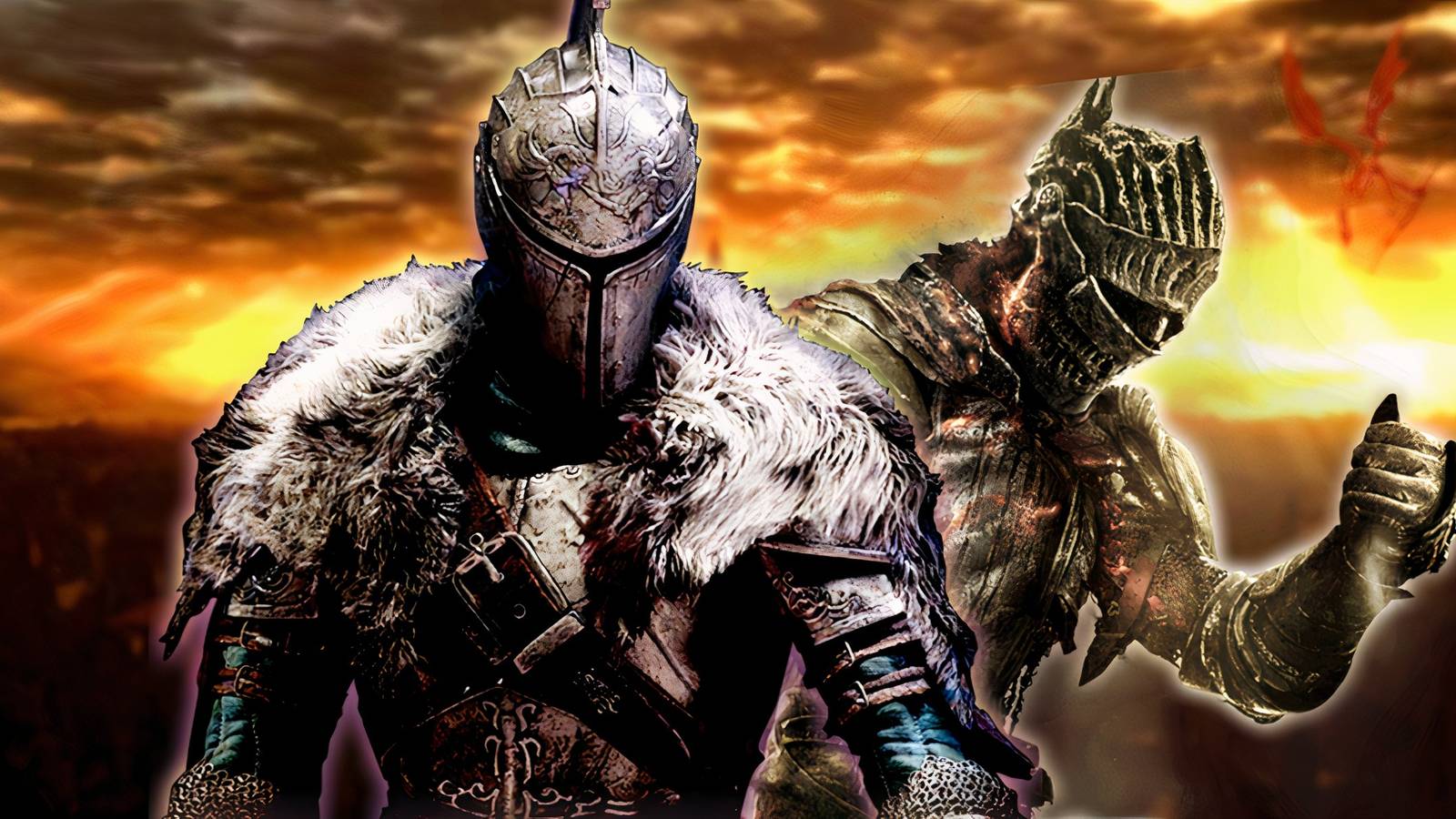
When FromSoftware unleashed the original Dark Souls upon the gaming world in 2011, they undoubtedly understood the brilliance they had crafted. What perhaps even the developers didn't fully grasp was the profound, seismic cultural impact their future trilogy would have on video games as a whole, irrevocably altering design philosophies and even spawning an entirely new sub-genre. More than a decade later, the series remains a benchmark for challenge, atmospheric storytelling, and player accomplishment, with its central theme of the "fading flame" resonating deeply with fans. This enduring appeal isn't just about difficulty; it's about a meticulously designed experience that fosters perseverance and rewards genuine mastery.
The Dawn of a New Era: Dark Souls' Unanticipated Impact
The gaming landscape of 2011 was largely dominated by titles that prioritized accessibility, cinematic narratives, and guiding players through linear experiences. Dark Souls emerged as a defiant counter-narrative. Building upon the foundations laid by its spiritual predecessor, Demon's Souls, the game plunged players into the desolate, interconnected realm of Lordran with minimal hand-holding and an uncompromising difficulty curve. Its initial reception, while somewhat niche, quickly exploded through word-of-mouth. Players were drawn to its oppressive atmosphere, the thrill of overcoming seemingly insurmountable obstacles, and the unique sense of exploration it offered. This audacity to challenge prevailing design trends not only garnered critical acclaim but also cultivated a fiercely loyal community eager to dissect its secrets and celebrate its triumphs, laying the groundwork for a phenomenon that would transcend its initial cult status.
The Fading Flame: Lore, Philosophy, and Player Agency
At the heart of the Dark Souls universe lies the profound and often melancholic lore surrounding the "fading flame." This central mythos describes a cyclical existence where an age of fire, brought forth by the Lords, eventually wanes, giving way to an age of dark. The player, an Undead burdened by the Darksign, is drawn into this decaying world, tasked with either linking the fire to prolong its age or letting it fade. This narrative framework is delivered through environmental storytelling, cryptic item descriptions, and enigmatic dialogue, rather than overt cutscenes. This deliberate ambiguity compels players to actively engage with the world, piecing together its tragic history and their place within it, fostering a unique sense of discovery and personal investment in the overarching cosmic struggle.
The concept of the fading flame serves as a powerful metaphor for entropy, the inevitability of decay, and the relentless struggle against an indifferent universe. It imbues the world of Dark Souls with a pervasive sense of melancholy and existential weight. Every victory, every flickering bonfire, feels temporary in the face of this cosmic decline. Players are not merely heroes; they are figures navigating a world past its prime, where their choices carry profound, if often ambiguous, consequences for the fate of reality itself. This deep philosophical undercurrent elevates Dark Souls beyond a mere challenging action RPG, transforming it into a meditative exploration of purpose, sacrifice, and the enduring human (or Undead) will.
Crafting Challenge: Masterful Design and Unforgettable Experiences
Dark Souls is synonymous with difficulty, yet this challenge is far from arbitrary. It is a carefully calibrated system designed to encourage methodical play, pattern recognition, and relentless perseverance. Death in Dark Souls is not a punishment but a vital teaching tool, an invitation to learn enemy attack patterns, perfect dodges and parries, and understand the intricate layouts of its environments. The combat system itself is deliberate and weighty, demanding precision in every swing, block, and dodge, with a stamina bar that forces strategic engagement. Complementing this is the series' unparalleled level design, particularly the intricate, interconnected world of Lordran in the original Dark Souls. Pathways loop back on themselves, shortcuts are discovered, and new areas seamlessly blend into old, creating a cohesive, believable world that rewards thorough exploration. Each iconic boss encounter, from the intimidating Bell Gargoyles to the majestic Artorias, is a unique puzzle requiring adaptation and mastery, culminating in a profound sense of accomplishment with every hard-won victory.
A Legacy Forged in Fire: The "Souls-like" Phenomenon
The monumental success and distinctive design of Dark Souls did more than just establish a popular franchise; it carved out an entirely new sub-genre: the "Souls-like." These games typically share several core characteristics: high, but fair, difficulty; a deliberate, stamina-based combat system; a sparse, often environmental narrative; critical checkpoints (like bonfires) that reset enemies; loss of collected resources upon death, with a chance to retrieve them; and often, intricately designed, interconnected worlds. Titles like Nioh, Code Vein, The Surge, Hollow Knight, and even more recent critical darlings like Lies of P directly owe a debt to FromSoftware's pioneering design. This influence extends beyond direct imitators, subtly shaping broader game development discussions around player agency, rewarding careful exploration, and the value of minimal hand-holding in fostering a deeper sense of immersion and achievement.
Beyond Lordran: The Enduring Influence of the Trilogy
The Dark Souls trilogy itself continued to evolve the series' themes and mechanics. While Dark Souls II faced some division among fans regarding its design choices, it nonetheless expanded the lore and introduced new mechanics that refined the experience. Dark Souls III, often seen as a spiritual culmination, brought the age of fire to an epic, climactic close, synthesizing the best elements of its predecessors with a faster, more aggressive combat rhythm. FromSoftware didn't stop there; they continually iterated on their foundational concepts, delivering critically acclaimed titles like the gothic horror-infused Bloodborne, the lightning-fast, posture-breaking combat of Sekiro: Shadows Die Twice, and the open-world grandiosity of Elden Ring. Each new release further solidified the developer's reputation for innovative, challenging, and profoundly artistic game design, demonstrating the remarkable adaptability and enduring power of the core principles first perfected in the fiery crucible of Dark Souls.
Dark Souls stands as a towering achievement in video game history, a series that dared to challenge conventions and, in doing so, forged an indelible legacy. Its unique blend of uncompromising difficulty, rich yet understated lore, masterful world-building, and profound philosophical depth has captivated millions and reshaped the very landscape of gaming. The "fading flame" of its narrative continues to burn brightly in the hearts of players, a testament to the power of a truly exceptional experience. Delve deeper into the world of gaming, discover more analyses, and stay updated on the latest trends by continuing to browse the extensive content right here on NAME OF SITE.
Fonte: https://screenrant.com