
Few fantasy sagas command the global reverence and sustained impact enjoyed by Robert Jordan's 'The Wheel of Time.' Standing proudly alongside titans like J.R.R. Tolkien's 'The Lord of the Rings,' this sprawling epic has captivated generations of readers, establishing itself as a cornerstone of the genre. With over 90 million copies sold across more than 30 languages worldwide, its influence is undeniable, consistently ranking among the all-time bestsellers in speculative fiction. This profound literary legacy laid a formidable foundation, but the series’ recent 'unexpected return' to the screen, championed by Amazon Prime Video, has not only honored its esteemed past but also propelled it into an entirely new era of mainstream prominence and critical acclaim, marking it as an unequivocal triumph.
The Enduring Legacy of Robert Jordan's Vision
The world of 'The Wheel of Time' began its meticulously crafted journey in 1990 with 'The Eye of the World,' introducing readers to a universe of unparalleled depth and complexity. Created by James Oliver Rigney Jr., better known by his pen name Robert Jordan, the series was designed to be an ambitious exploration of destiny, free will, the cyclical nature of time, and the eternal struggle between light and shadow. Jordan meticulously built a world rich with diverse cultures, intricate political systems, nuanced magic, and a vast pantheon of characters whose journeys resonated deeply with a dedicated global fanbase. His ability to blend high fantasy tropes with a distinctive narrative voice and philosophical undertones set the series apart, creating a narrative tapestry that felt both grand in scope and intimately human.
Jordan’s sudden passing in 2007 left the series unfinished, a moment of profound sadness for millions of readers. However, his meticulous notes and unwavering dedication ensured that his vision would be completed. Acclaimed fantasy author Brandon Sanderson, handpicked by Jordan's widow, Harriet McDougal, bravely took up the mantle, delivering the final three volumes with remarkable fidelity to the original spirit and intricate plotlines. This seamless continuation not only provided a satisfying conclusion to one of fantasy's most ambitious narratives but also solidified its place as a enduring testament to collaborative storytelling and a beloved author's enduring legacy. The series' completion sparked renewed interest, ensuring that the saga continued to attract new readers while loyal fans revisited its pages.
A Literary Phenomenon: Numbers and Impact
The sheer scale of 'The Wheel of Time's' literary success is staggering. With global sales exceeding 90 million copies, it stands as one of the best-selling fantasy series of all time, a testament to its broad appeal and lasting quality. This impressive figure not only reflects its popularity in English-speaking markets but also its profound resonance across more than 30 different linguistic and cultural landscapes. Its ability to transcend borders and captivate diverse audiences underscores the universal themes woven into its fabric: heroism, sacrifice, identity, and the unending conflict between good and evil. For many, it served as an entry point into epic fantasy, guiding them through a narrative that, while complex, remained deeply engaging and emotionally resonant.
In a genre dominated by giants, 'The Wheel of Time' carved its own unique niche. While often compared to Tolkien for its world-building scale or George R.R. Martin for its character depth and political intrigue, Jordan's work offered a distinct flavor. Its unique magic system, particularly the male and female halves of the One Power, and its exploration of gender roles within a high-fantasy context, provided fresh perspectives. The series cultivated an exceptionally dedicated fanbase, known for its passionate discussions, detailed theories, and unwavering support. This vibrant community played a crucial role in maintaining the series' visibility and cultural relevance over decades, eagerly awaiting any new development related to its beloved world.
The Long Road to Adaptation: Why 'Unexpected'?
For decades, the prospect of a live-action adaptation of 'The Wheel of Time' remained a persistent, yet often frustrating, dream for fans. The series’ immense scope, its intricate magic, its vast cast of characters, and its sheer length (14 main novels, plus a prequel) presented daunting challenges for any studio. Previous attempts at adaptation were either stalled in development hell or resulted in ill-fated, low-budget projects that failed to capture the essence or grandeur of the books. A particularly infamous pilot, aired in the dead of night on FXX, served as a stark reminder of how easily such a complex narrative could be mishandled. These false starts and disappointments fueled a deep-seated skepticism among the fanbase, making the eventual successful adaptation truly 'unexpected' for many who had given up hope.
The challenges of bringing 'The Wheel of Time' to the screen were multifaceted. How do you condense thousands of pages of lore, character arcs, and world-building into a digestible television series without alienating devout readers or overwhelming new viewers? The intricate details of the One Power, the customs of the various nations, and the subtle nuances of prophecy and destiny all needed careful consideration. For years, it seemed an impossible task, a project deemed too ambitious or too expensive for traditional television budgets. This history of struggle and the inherent difficulties of translating such a dense literary work into a visual medium contributed significantly to the air of surprise and delight when a high-quality, big-budget adaptation finally materialized, ready to meet the soaring expectations of a generation of fantasy enthusiasts.
Amazon Prime Video's Ambitious Undertaking
The announcement that Amazon Prime Video would be developing 'The Wheel of Time' series, with Rafe Judkins as showrunner, immediately signaled a new era for the beloved fantasy saga. Amazon's deep pockets and commitment to high-budget genre programming, alongside its desire to compete with other streaming giants in the epic fantasy space, provided the necessary resources. The studio invested heavily, signaling its intent to deliver a visually stunning and narratively compelling adaptation that could stand shoulder-to-shoulder with other premium productions. This significant financial backing allowed for extensive location scouting, state-of-the-art visual effects, and a cast of considerable talent, essential elements for bringing Jordan's expansive world to life with the fidelity and grandeur it deserved.
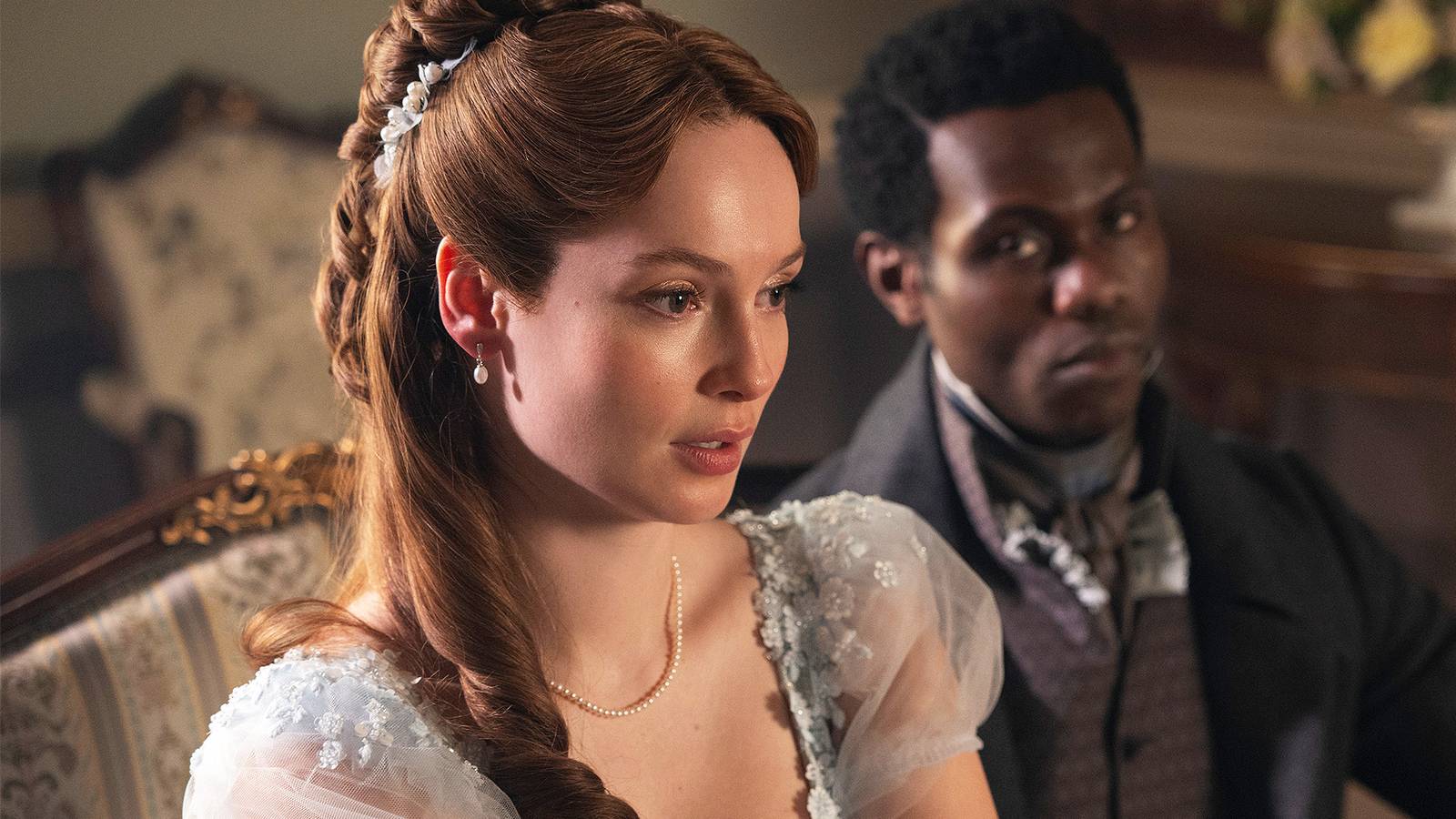
Central to the adaptation's success was its strategic approach to casting and storytelling. The selection of Rosamund Pike as Moiraine Damodred, a powerful Aes Sedai, was widely praised, anchoring the series with a seasoned and charismatic lead. The ensemble cast, featuring a blend of established actors and promising newcomers, meticulously brought beloved characters to the screen. While inevitably making some narrative adjustments to fit the television format – a necessary evil when adapting such a dense literary work – the production team demonstrated a clear respect for the source material's core themes and character relationships. The visual fidelity, from the intricate costume designs to the breathtaking landscapes, also played a crucial role, immersing viewers in the vibrant and perilous world of Randland and solidifying Amazon's reputation as a purveyor of high-quality fantasy content.
Critical Reception and Audience Engagement
Upon its debut, Amazon Prime Video's 'The Wheel of Time' quickly established itself as a major success, both critically and in terms of audience engagement. While adaptations of beloved books often face intense scrutiny, the series largely managed to navigate these expectations, earning praise for its stunning visuals, strong performances (particularly from Rosamund Pike), and its ambitious attempt to tackle a notoriously difficult source material. The series premiere garnered significant viewership, becoming one of Prime Video's most-watched original series within its first weeks, demonstrating a powerful draw not only for existing fans but also for a new generation of fantasy enthusiasts unfamiliar with the books. This initial surge in popularity underscored the vast potential of the franchise to capture a broad audience, effectively expanding its cultural footprint far beyond its original literary confines.
Beyond raw viewership numbers, the show's success manifested in its ability to spark widespread discussion and critical analysis. Reviews highlighted its rich production value and its commitment to diverse casting, which brought a contemporary sensibility to the classic narrative. While some changes from the books naturally sparked debate among long-time fans, many acknowledged the necessity of such alterations for a successful screen translation and appreciated the show's efforts to maintain the spirit of Jordan's vision. Furthermore, the series acted as a significant catalyst for book sales, with a notable increase in new readers discovering the original novels after watching the show. This symbiotic relationship between the adaptation and its source material solidified the show's 'huge success' by proving its capacity to both entertain established audiences and cultivate a new, vibrant readership for the original saga.
The Future of the Wheel: Expanding the Universe
The resounding success of its inaugural season prompted Amazon Prime Video to swiftly greenlight subsequent seasons of 'The Wheel of Time,' underscoring the platform's long-term commitment to the franchise. This renewal was not merely a vote of confidence in the show's performance but also an acknowledgment of the vast potential inherent in Jordan's intricate universe. With multiple seasons confirmed, the series has the luxury of time to delve deeper into the expansive narrative, further explore its myriad characters, and fully realize the epic scale of the books. This multi-season commitment is crucial for an adaptation of this magnitude, allowing for proper pacing and the comprehensive development of its complex storylines, promising viewers a rich and evolving experience.
Looking ahead, the triumph of 'The Wheel of Time' on screen opens up exciting avenues for further expansion of its universe. The possibility of spin-off series, exploring pivotal historical events like the Age of Legends or focusing on specific beloved characters and their backstories, becomes a tangible prospect. Such transmedia opportunities could include animated features, video games, or even companion series that delve into the rich lore and world-building that Jordan established. This strategic franchising approach not only maximizes the return on Amazon's investment but also offers fans an even more immersive way to engage with the world of 'The Wheel of Time,' ensuring its cultural impact and legacy continue to grow for decades to come, firmly establishing it as a cornerstone of modern fantasy entertainment.
From the quiet ambition of its literary origins to the global phenomenon it has become on screen, 'The Wheel of Time's' journey is a compelling narrative in itself. Its unexpected and resounding success in adaptation is a testament to the enduring power of Robert Jordan's vision and the passionate community that has kept its flame alive. As the series continues to unfold, promising more adventures, deeper mysteries, and unparalleled fantasy spectacle, it firmly cements its place as a tentpole in the ever-evolving landscape of high-quality genre storytelling. Dive deeper into the world of fantasy and explore more captivating stories and analyses by continuing to browse [NAME OF SITE], your premier destination for in-depth content and expert insights.
Fonte: https://screenrant.com