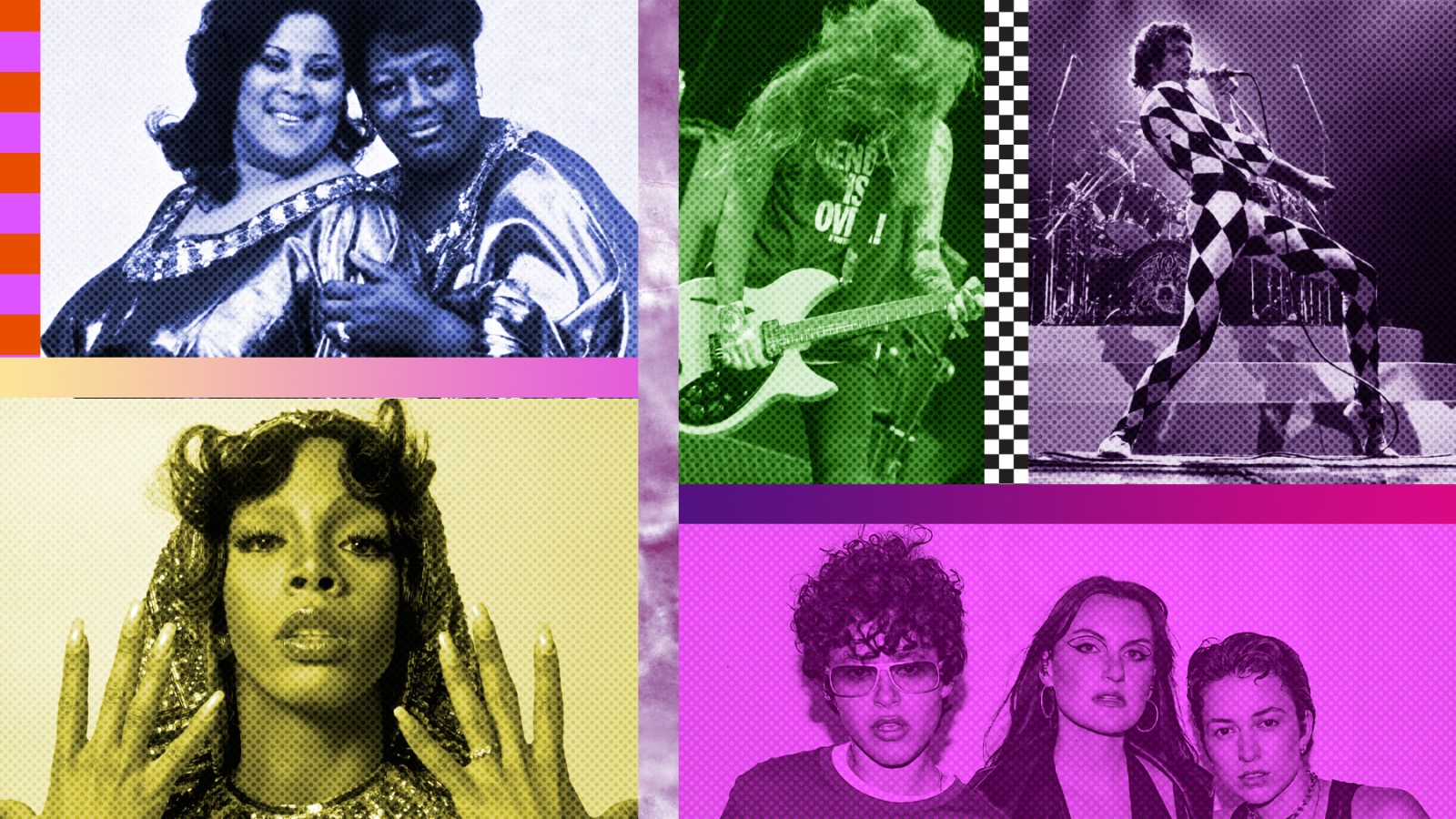
Music has always been an intrinsic part of human movements, serving as both a rallying cry and a source of solace. For the LGBTQ+ community, this connection runs particularly deep, with anthems evolving alongside the struggle for rights, acceptance, and celebration. From the clandestine beats of disco clubs to the outspoken declarations of modern pop, these songs have not merely provided a soundtrack; they have been instrumental in shaping identity, fostering solidarity, and amplifying voices that were historically silenced. This exploration delves into 35 essential LGBTQ+ Pride songs, tracing their profound impact across genres and generations, and revealing how they continue to resonate with power and purpose.
The Unifying Power of Anthems
Anthems possess a unique ability to encapsulate shared experiences, emotions, and aspirations. For the LGBTQ+ community, these musical declarations have served as vital tools for collective empowerment. In times of oppression, they offered clandestine codes of understanding; in moments of protest, they galvanized crowds; and in celebrations of Pride, they became joyful declarations of existence and resilience. Music transcends individual differences, creating a powerful sense of unity, belonging, and shared purpose that is indispensable for any social movement seeking recognition and liberation. It provides an accessible language for articulating complex feelings of joy, sorrow, defiance, and hope, often becoming a cultural touchstone that defines an era or a movement.
Echoes Through Time: A Musical Timeline of LGBTQ+ Liberation
The evolution of LGBTQ+ Pride anthems mirrors the community's own journey through various socio-political landscapes. Each era has contributed distinct sounds and messages, reflecting the prevailing challenges and triumphs. From the liberation movements of the 1970s, spurred by events like the Stonewall Uprising, to the ongoing fight for marriage equality and trans rights today, music has consistently provided a vibrant chronicle of resilience and change, chronicling both the pains and triumphs of a community striving for equity.
Disco: The Genesis of Joy and Defiance
The late 1970s marked a pivotal moment for LGBTQ+ expression, largely fueled by the pulsating rhythms of disco. Born in underground clubs, particularly those frequented by Black, Latinx, and queer communities, disco offered a sanctuary where individuals could shed societal expectations and revel in uninhibited self-expression. Artists like <b>Sylvester</b>, with his seminal track <b>"You Make Me Feel (Mighty Real),"</b> became pioneers, openly embracing his queer identity and infusing his music with messages of empowerment and liberation. <b>Gloria Gaynor's "I Will Survive"</b>, though not explicitly queer, became an anthem of resilience and defiance against adversity, resonating deeply with a community facing systemic discrimination and the emerging AIDS crisis. Even the exuberant, often theatrical performances of groups like the <b>Village People</b>, particularly with their iconic <b>"Y.M.C.A.,"</b> contributed to a cultural landscape where queer aesthetics and celebration found a mainstream, albeit sometimes coded, platform. This era established music as a powerful vehicle for communal joy and a defiant assertion of presence, fostering a sense of belonging in a world that often sought to marginalize.
From New Wave to Punk: Rebel Yells and Identity Affirmation
As the musical landscape shifted in the 1980s and 1990s, so did the sounds of queer expression. New Wave brought synth-laden beats and often ambiguous gender presentations, while punk and alternative rock offered a raw, unfiltered outlet for frustration and identity assertion. Bands like <b>Pansy Division</b> explicitly pioneered the 'queercore' movement, writing unapologetically gay lyrics and fostering a space within punk rock for LGBTQ+ voices. Their music challenged the heteronormative conventions of the genre, proving that punk could be a vehicle for queer identity, not just cisgender male angst. Artists like <b>Boy George</b> of Culture Club, with his distinctive androgynous style, pushed boundaries in mainstream pop, embodying a visible alternative to traditional gender norms. These artists, whether through overt lyrical statements or simply by their very presence and aesthetic, carved out niches where rebellion and queer identity were inextricably linked, offering a different kind of freedom from disco's exuberance – one rooted in confrontational authenticity and a challenge to societal expectations.
Pop's Embrace: Mainstream Visibility and Allyship
The late 20th and early 21st centuries saw pop music increasingly embrace LGBTQ+ themes, bringing greater visibility and fostering allyship on a global scale. <b>Madonna</b>, an unwavering ally, consistently integrated queer culture into her work, most notably with <b>"Vogue,"</b> which celebrated the underground ballroom scene, introducing its vibrant artistry to millions. <b>George Michael's</b> journey of coming out and his subsequent music, such as <b>"Outside,"</b> served as poignant reflections on personal freedom and societal judgment, providing a relatable narrative for many grappling with their own identities. The enduring legacy of <b>Queen</b> and their iconic frontman, <b>Freddie Mercury</b>, especially after his death during the height of the AIDS crisis, made their powerful anthems like <b>"Don't Stop Me Now"</b> and <b>"We Are The Champions"</b> resonate with an even deeper sense of triumph and defiance for the LGBTQ+ community. These artists leveraged their vast platforms to normalize queer experiences, offering comfort, inspiration, and a sense of belonging to a wider audience, thereby significantly advancing the dialogue around LGBTQ+ rights and acceptance and shaping public perception.
The New Millennium: Diverse Voices and Digital Anthems
The digital age has ushered in an unprecedented era of diverse LGBTQ+ voices, with artists openly sharing their identities and experiences across genres. <b>Lady Gaga's "Born This Way"</b> became an instant, global anthem for self-acceptance and queer pride, its message of inherent worth resonating deeply with countless individuals, often becoming a staple at Pride events worldwide. The groundbreaking success of artists like <b>Lil Nas X</b>, an openly gay Black man whose track <b>"Old Town Road"</b> shattered records and challenged stereotypes, exemplifies the new era of visibility. His unapologetic embrace of his identity in the mainstream, particularly in genres historically less accepting like country, signifies a monumental shift. Similarly, artists like <b>Sam Smith</b> and <b>Troye Sivan</b> have garnered massive followings by openly exploring queer love, heartbreak, and joy in their music, making their personal narratives universally relatable. The accessibility of digital platforms has allowed these and many other queer artists to connect directly with fans, creating a rich tapestry of contemporary anthems that reflect the multifaceted experiences of the LGBTQ+ community today, fostering both niche communities and broad mainstream appeal and continuing the musical legacy of empowerment.
Beyond the Beat: Thematic Pillars of Pride Music
While the styles and sounds of Pride anthems have varied immensely, several core thematic pillars consistently emerge, underscoring the universal messages vital to the LGBTQ+ experience. <b>Resilience and Survival</b> are constant threads, reflecting the community's history of overcoming adversity, prejudice, and violence, often turning pain into power. Songs championing <b>Self-Love and Acceptance</b> empower individuals to embrace their authentic selves in a world often hostile to difference, fostering inner strength and confidence. <b>Protest and Activism</b> are embedded in many tracks, serving as calls to action against injustice and pleas for equality, reminding listeners of the ongoing struggle. Crucially, <b>Joy and Celebration</b> are central to Pride music, offering spaces for unadulterated happiness, community bonding, and the affirmation of life against all odds. Finally, themes of <b>Love and Connection</b>, explored through a queer lens, remind us that universal human emotions are at the heart of every story, irrespective of sexual orientation or gender identity, promoting empathy and understanding.
The Enduring Legacy of Pride Anthems
The 35 essential LGBTQ+ Pride songs, alongside countless others, form an indispensable part of cultural history and the ongoing fight for equality. They are not mere relics of the past but living testaments to the power of music to reflect, shape, and drive social change. These anthems continue to be played at Pride parades, in homes, and across digital platforms, inspiring new generations and reminding us of the progress made and the work that still lies ahead. As new artists emerge and the movement continues to evolve, embracing an even wider spectrum of identities and experiences, the tradition of creating powerful, unifying, and celebratory music will undoubtedly persist, ensuring that the soundtrack of liberation plays on, loud and clear, echoing hope for a fully equitable future.
For more insightful analyses, historical deep dives, and celebrations of culture, continue exploring the rich content available right here on NAME OF SITE, where we champion diverse narratives and compelling journalism.
Fonte: https://www.rollingstone.com