In a galaxy far, far away, the creative process often intertwines with the rich tapestry of its own history. Jon Favreau, the visionary director, co-writer, and producer behind the highly anticipated film "The Mandalorian and Grogu," recently shed light on a fascinating source of inspiration: "Star Wars: Episode I – The Phantom Menace." This revelation emerged as the film entered its third week of release, coinciding with the debut of an innovative viewing experience. Through a unique collaboration between Disney, Lucasfilm, and TheaterEars, audiences can now delve into "The Mandalorian and Grogu: The Director’s Experience," offering Favreau's meticulously timed commentary directly alongside the cinematic presentation. This groundbreaking initiative not only enriches the viewer's journey but also provides an unprecedented window into the creative mind guiding the latest chapter in the Star Wars saga, particularly regarding the unexpected ties to a foundational, yet often debated, entry in the franchise.
A New Era for Star Wars on the Big Screen
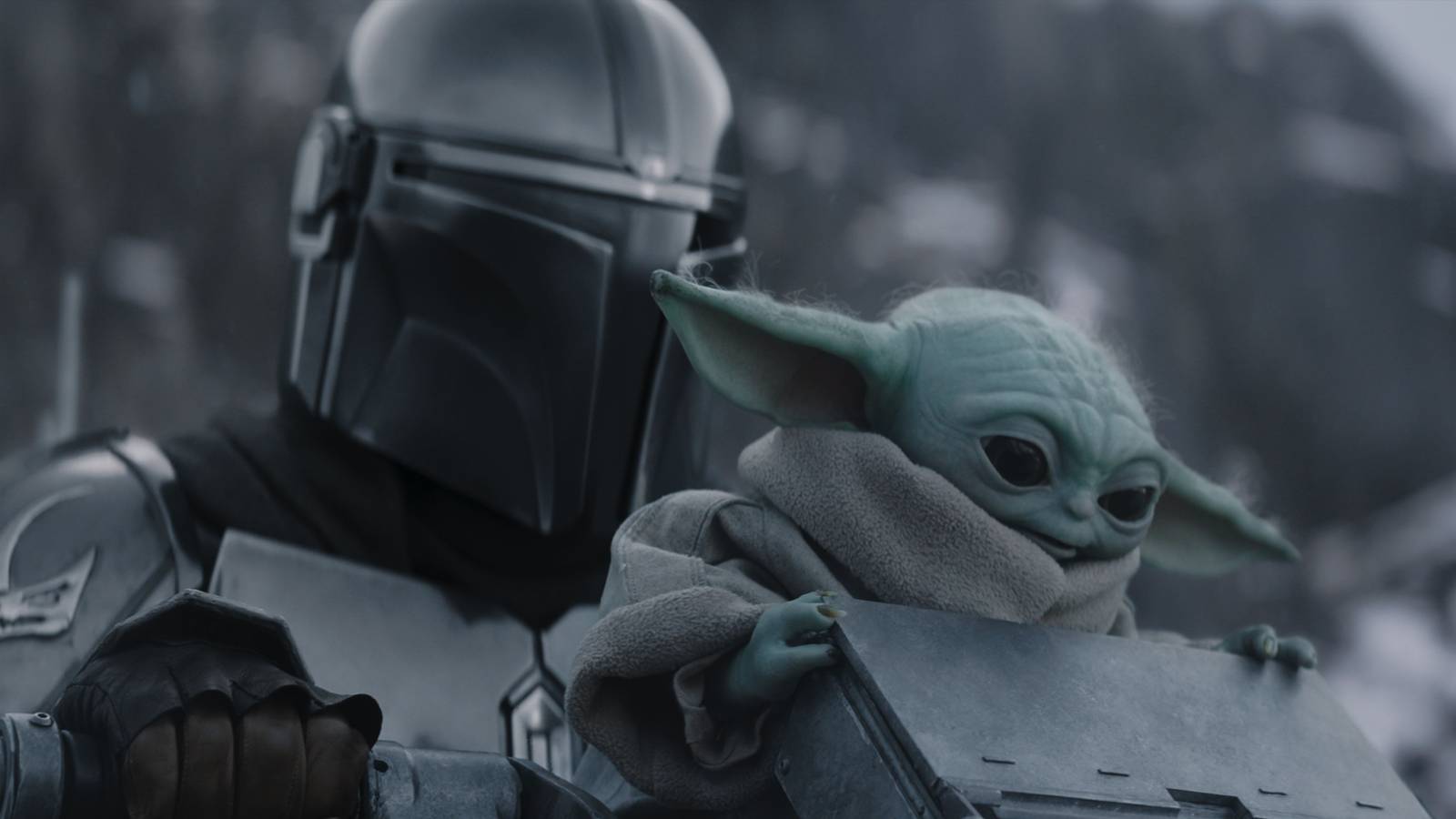
The release of "The Mandalorian and Grogu" marks a pivotal moment for the Star Wars franchise, representing the first new cinematic installment in seven years. Following the conclusion of the Skywalker saga with "Star Wars: The Rise of Skywalker" in 2019, the trajectory of Star Wars storytelling has increasingly diversified, with a significant focus on streaming series. "The Mandalorian" on Disney+ swiftly captured the hearts of fans worldwide, introducing Din Djarin, the stoic bounty hunter, and Grogu, the enigmatic, Force-sensitive child, affectionately known as Baby Yoda. Their bond became the emotional core of a narrative that successfully blended classic Western tropes with samurai film aesthetics, all set within the beloved science-fantasy universe. The transition of these characters to the big screen elevates their story, signaling Lucasfilm's renewed commitment to theatrical releases while also leveraging the immense popularity and established lore of its streaming successes. This film is not merely an extension but a significant evolution, promising to expand the scope and scale of their adventures, offering a fresh narrative direction for the franchise beyond its generational sagas.
This strategic move to bring a Disney+ flagship series to cinemas underscores a broader ambition within Lucasfilm to explore diverse storytelling formats and reach wider audiences. "The Mandalorian and Grogu" stands as a testament to the enduring appeal of Star Wars and its capacity to introduce new heroes and mythologies that resonate deeply with both long-time devotees and newcomers. The film's success is crucial not just for its immediate box office performance but also for validating this hybrid approach to franchise expansion, potentially paving the way for other beloved characters from the streaming universe to make their theatrical debut. It represents a bold step in charting the future of Star Wars, demonstrating an adaptive strategy that embraces both traditional cinematic spectacle and modern episodic storytelling, all while continuing to build on a universe that thrives on intricate connections and a constantly evolving narrative.
The Director's Experience: Immersive Filmmaking Unveiled
The collaboration between Disney, Lucasfilm, and TheaterEars for "The Mandalorian and Grogu: The Director’s Experience" offers a revolutionary way for audiences to engage with filmmaking. TheaterEars, an innovative app, enables viewers to listen to synchronized audio tracks – such as director's commentary or alternative language dubs – directly through their smartphones and headphones while watching the movie in a public theater setting. This particular "Director's Experience" provides Jon Favreau's personal commentary, timed precisely to the film's visuals and audio, creating an intimate, behind-the-scenes journey that was previously only available in home video releases. This initiative transcends a simple bonus feature; it transforms the communal cinematic event into a personalized masterclass, allowing each viewer to glean insights into Favreau’s creative decisions, narrative choices, and the technical challenges and triumphs encountered during production, all in real-time.
The value of such an immersive experience cannot be overstated for film enthusiasts, aspiring filmmakers, and devoted Star Wars fans. It offers an unparalleled opportunity to understand the artistic intent and meticulous craftsmanship that goes into creating a major motion picture. Favreau, known for his transparent and passionate approach to storytelling, can now guide audiences through his vision moment by moment, explaining the subtle nuances of character development, the strategic placement of visual cues, and the overarching thematic elements he sought to convey. This format bridges the gap between the creative process and the audience's reception, fostering a deeper appreciation for the art form itself and enhancing the emotional and intellectual connection to the narrative. It’s a bold step forward in cinema accessibility and engagement, turning a passive viewing experience into an active, educational, and profoundly personal one, setting a new standard for how audiences can connect with the creators of their favorite stories.
Jon Favreau's Vision: Bridging Eras of the Force
Jon Favreau's influence on the contemporary Star Wars landscape is undeniable. As the creator and showrunner of "The Mandalorian," he is widely credited with reinvigorating the franchise and charting a new, highly successful course for its storytelling. His deep understanding of Star Wars lore, combined with a fresh perspective that honors its roots while daring to explore new frontiers, has defined a significant portion of the Disney+ era. Favreau possesses a unique ability to tap into the nostalgic appeal of the original trilogy while simultaneously crafting narratives that feel distinctly modern and relevant. His creative philosophy often involves drawing inspiration from the entire saga, demonstrating an appreciation for the diverse narrative and aesthetic contributions of every era, even those that have historically divided fan opinion. This inclusive approach to the Star Wars canon allows him to weave new stories that are both fresh and deeply connected to the universe's expansive history.
Favreau’s role extends beyond mere directorial duties; he is a principal architect of the Mando-verse, shaping its overarching narrative, character arcs, and thematic explorations. His involvement in "The Mandalorian and Grogu" as director, co-writer, and producer ensures a consistent and cohesive vision that directly builds upon the foundations laid in the series. This creative stewardship is crucial for maintaining the authenticity and emotional resonance that fans have come to expect. By drawing inspiration from across the Star Wars spectrum, including entries like "The Phantom Menace," Favreau demonstrates a nuanced understanding of how every piece of the saga contributes to its grander mythology. His ability to synthesize disparate elements and recontextualize them for new narratives is a hallmark of his creative genius, proving that even the earliest and sometimes less-celebrated chapters can offer profound lessons and fertile ground for future storytelling.
Echoes of Naboo: 'The Phantom Menace's' Influence on 'The Mandalorian & Grogu'
The revelation that "The Phantom Menace" served as a source of inspiration for "The Mandalorian and Grogu" offers a fascinating insight into Favreau's creative process and his perspective on the Star Wars saga. While "The Phantom Menace" faced a mixed reception upon its initial release, it introduced pivotal elements and established critical themes that resonate deeply within the broader Star Wars narrative. Favreau's acknowledgment suggests a re-evaluation of its legacy, recognizing its foundational importance, particularly in its character dynamics and world-building. This isn't merely a casual nod but a deliberate creative choice to draw upon specific archetypes and narrative structures that underpin George Lucas's original vision, adapting them to the unique context of Din Djarin and Grogu's journey.
The Found Family Archetype and a Child's Destiny
One of the most compelling parallels between the two films lies in the "found family" archetype and the narrative surrounding a powerful, innocent child. In "The Phantom Menace," Qui-Gon Jinn, the maverick Jedi Master, discovers young Anakin Skywalker, a prodigiously Force-sensitive boy on Tatooine, and takes him under his wing. Qui-Gon acts as a guardian, sensing Anakin's immense potential and feeling a responsibility to protect him from the harsh realities of the galaxy, despite the Jedi Council's initial reluctance. This dynamic mirrors the core relationship in "The Mandalorian and Grogu." Din Djarin, the solitary bounty hunter, initially takes Grogu for a bounty but quickly forms an unbreakable bond, becoming his protector and surrogate father. Both stories center on an unconventional guardian safeguarding a Force-sensitive child whose destiny is intertwined with the fate of the galaxy. They explore themes of guardianship, parental responsibility, the challenges of navigating perilous environments, and the profound impact of mentor-protégé relationships on personal growth and galactic events. The emotional weight of these protective bonds, often defying established norms, forms a powerful emotional core in both narratives.
World-Building, Political Intrigue, and Underdog Narratives
"The Phantom Menace" was instrumental in expanding the visual and political landscape of the Star Wars universe, introducing diverse planets like the idyllic Naboo and deepening the portrayal of the Outer Rim's rugged Tatooine. It delved into political machinations, featuring the Galactic Republic's bureaucracy and the shadowy influence of the Sith. While "The Mandalorian and Grogu" operates on a more localized, post-Empire scale, it similarly engages in extensive world-building, exploring unique planets, distinct cultures, and the fragmented power structures that emerged after the fall of the Empire. Both narratives feature protagonists who are often underdogs, navigating a complex web of political intrigue and facing threats from larger, more organized entities. The trade disputes and political maneuvers in TPM, while different in scale, can be seen as thematic precursors to the various factions, remnants of the Empire, and local warlords that Din Djarin and Grogu encounter. The struggle of a small group against overwhelming odds, a core element of Star Wars, finds a clear resonance across both films.
The Mythic Foundations of the Star Wars Saga
Beyond character dynamics and world-building, "The Phantom Menace" is crucial for laying the mythic groundwork of the prequel trilogy, introducing the origins of key characters and concepts that would define the saga. It explores the prophecy of the Chosen One, the nature of the Force through Midi-chlorians, and the ancient conflict between Jedi and Sith. Similarly, "The Mandalorian and Grogu" builds upon the foundational lore established in the Disney+ series, deepening the understanding of Mandalorian culture, the Jedi's legacy in the post-Imperial era, and Grogu's mysterious past and burgeoning powers. Favreau’s inspiration from TPM suggests a recognition of its role in establishing fundamental Star Wars mythology, which he then reinterprets to create new foundational myths for a post-Skywalker era. This continuous process of building and expanding upon core thematic and mythological elements ensures that while the characters and settings evolve, the essence of what makes Star Wars resonates remains intact, connecting new stories to the saga's enduring legacy.
The Art of Creative Homage in a Galaxy Far, Far Away
Favreau’s decision to cite "The Phantom Menace" as an inspiration is not just a passing reference; it speaks to the intricate nature of creative homage within the Star Wars universe. The saga has always built upon its own history, with each new entry often referencing or reinterpreting themes, visuals, and character arcs from its predecessors. By drawing from TPM, Favreau champions the idea that every chapter, regardless of its initial critical reception, contributes to the overall richness and complexity of the Star Wars narrative. It demonstrates a holistic appreciation for the entire canon, recognizing that even entries once considered divisive contain valuable storytelling elements and foundational concepts that can be re-explored and celebrated. This approach ensures that the Star Wars universe remains a living, evolving entity, constantly in dialogue with its past while forging new paths for its future, allowing creators like Favreau to weave a seamless tapestry of narratives that resonate across generations of fans.
The implications of Favreau's revelation are significant for how fans and critics alike might re-evaluate the prequel era. It encourages a deeper look beyond surface-level criticisms to appreciate the profound storytelling and world-building that began with "The Phantom Menace." For "The Mandalorian and Grogu," it suggests a narrative depth that consciously echoes established Star Wars archetypes and themes, ensuring that the film, while fresh and exciting, is also firmly rooted in the saga's enduring legacy. This kind of intertextual storytelling not only enriches the current narrative but also invites audiences to reconsider the entirety of the Star Wars journey, understanding how each piece contributes to the grand, unfolding tapestry of a galaxy far, far away.
As "The Mandalorian and Grogu" continues its theatrical run, Jon Favreau's insights offer a powerful new lens through which to experience this monumental Star Wars film. The "Director's Experience" provides an unprecedented opportunity to connect with the creative vision that shaped this story, revealing how even unexpected influences like "The Phantom Menace" contribute to its depth and resonance. Don't miss out on exploring the nuanced layers of this latest Star Wars adventure and many more compelling stories. For further in-depth analysis, exclusive interviews, and breaking news from across the entertainment universe, continue browsing NAME OF SITE and immerse yourself in a galaxy of content waiting to be discovered.
Fonte: https://screenrant.com