Seventy-six years after Walt Disney Productions immortalized the timeless tale of Cinderella with its beloved animated classic, the story is once again poised for a contemporary transformation. This upcoming 2026 rewrite signifies more than just a renewed interest in a familiar narrative; it represents a continuing trend of reinterpreting foundational stories for a new era. The enduring appeal of classic narratives lies in their universal themes—dreams, resilience, transformation—which resonate across generations. As society evolves, so too do the lenses through which we view these tales, making modern retellings not merely a nostalgic exercise but a vital exploration of their adaptability and relevance in a rapidly changing world.
Cinderella's Enduring Legacy: A Timeless Narrative Reimagined
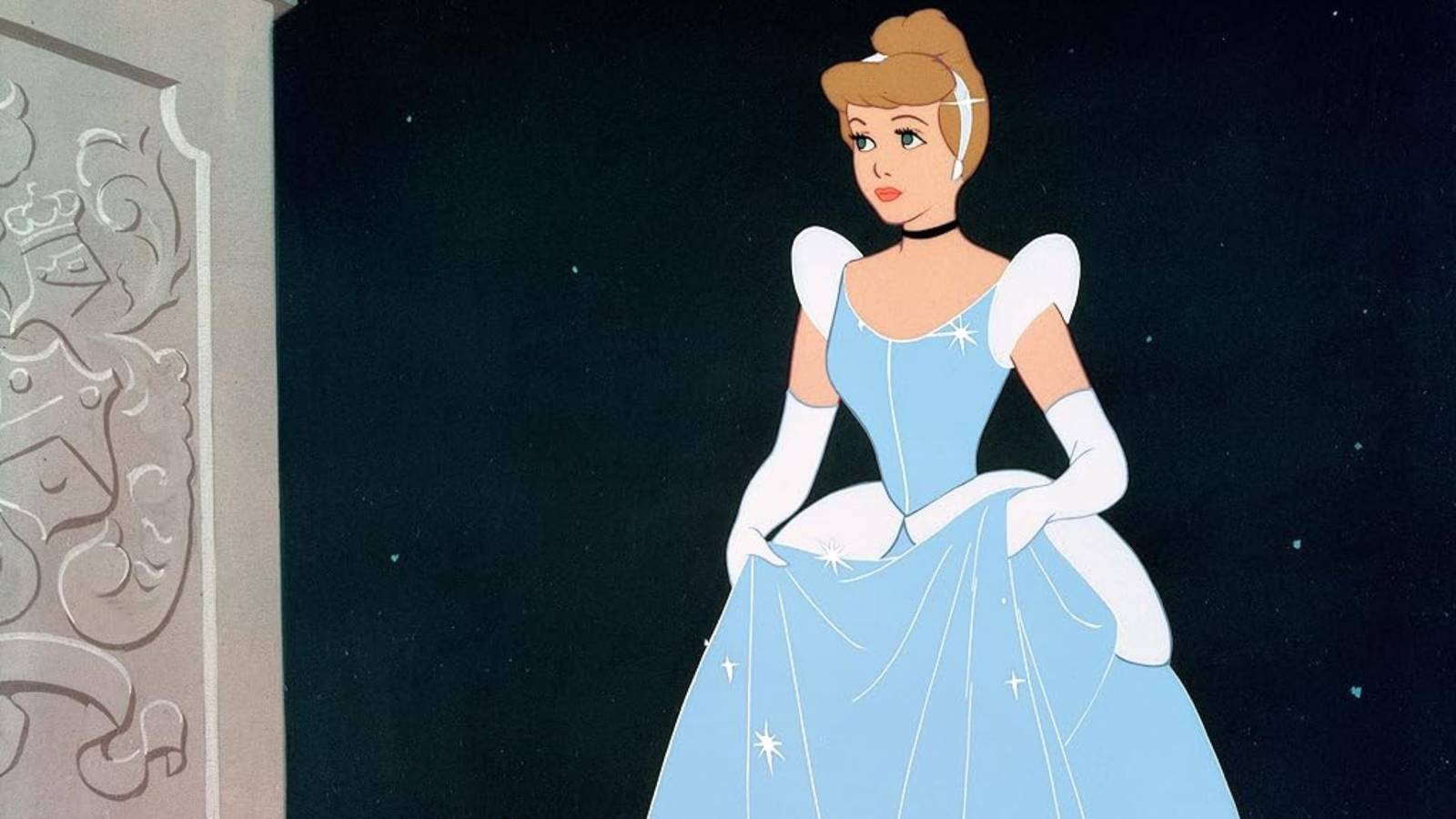
The 1950 Disney animated film profoundly cemented *Cinderella* in global popular culture, crafting an iconic visual and musical interpretation that many consider the definitive version. With its charming characters, memorable songs, and a narrative arc that champions hope against adversity, the movie captivated millions and set a benchmark for animated storytelling. However, the tale of Cinderella predates Disney by centuries, with roots tracing back to various cultures across the globe. From the ancient Greek story of Rhodopis to the European versions penned by Charles Perrault in 1697 and the Brothers Grimm in 1812, the core elements of an oppressed protagonist, a magical transformation, and a triumphant resolution have consistently resonated. This rich, multi-faceted history underscores the story's inherent power and its capacity to transcend cultural and chronological boundaries, making it a prime candidate for continuous reinvention.
The Modern Renaissance of Classic Tales
The phenomenon of revisiting and reimagining classic stories is far from new, yet its prevalence and success in contemporary media have reached unprecedented levels. This trend spans various formats, from live-action cinematic adaptations and television series to theatrical productions and literary retellings. The sustained success of this approach is multifaceted: it capitalizes on inherent audience familiarity, tapping into a collective cultural memory that ensures a baseline level of interest. Furthermore, these stories often possess robust narrative structures and compelling character archetypes that provide a solid foundation for new interpretations. For content creators, adapting a well-known story offers a unique opportunity to engage with existing fanbases while simultaneously attracting new audiences who may be drawn to a fresh perspective on a familiar favorite. It’s a delicate balance of honoring tradition while embracing innovation, a formula that has proven remarkably effective across decades.
Why Modern Audiences Crave Reimagined Classics
One primary driver behind the appetite for reimagined classics is the desire for narratives that reflect contemporary values and societal understandings. Older stories, while timeless in their core message, sometimes contain outdated tropes, gender roles, or social dynamics that no longer resonate with or actively challenge modern sensibilities. Rewrites offer an avenue to explore these narratives through a progressive lens, addressing themes like female agency, diverse representation, socio-economic disparities, and environmental consciousness. By updating character motivations, expanding backstories, or even shifting narrative perspectives, these retellings can transform a familiar tale into a powerful commentary on current issues. This not only breathes new life into the story but also allows new generations to connect with these foundational myths on a deeper, more personal level, fostering a sense of ownership and relevance.
A Glimpse into the 2026 Vision: Anticipating the Next Cinderella
While specific details regarding the 2026 rewrite of *Cinderella* remain largely under wraps, its announcement alone sparks considerable anticipation and speculation about what form this new interpretation might take. Given prevailing trends in modern storytelling, this iteration could potentially delve deeper into the psychological complexities of its characters, perhaps exploring Cinderella's agency beyond her reliance on magical intervention, or offering a more nuanced portrayal of the stepmother and stepsisters. It might also introduce elements of cultural diversity, shifting the setting or background to reflect a broader global perspective. The aim will likely be to craft a version that feels both true to the spirit of the original—maintaining its core message of hope and perseverance—while injecting fresh perspectives that challenge conventional interpretations and resonate powerfully with a contemporary audience. This balance is crucial for a successful modern adaptation, ensuring the story remains captivating and thought-provoking.
Navigating Expectations: Balancing Tradition and Innovation
The journey of reimagining a classic like *Cinderella* is fraught with the challenge of managing diverse audience expectations. On one hand, purists often hope for an adaptation that reverently preserves the beloved elements and iconic moments from previous versions, particularly the indelible Disney classic. Deviations from these cherished aspects can sometimes be met with resistance or even criticism. On the other hand, a significant portion of the audience, especially younger demographics, seeks originality and a narrative that pushes boundaries, offering something novel rather than a mere rehash. Creators must walk a tightrope, aiming to innovate without alienating, to modernize without stripping the story of its essential magic. Success often hinges on finding the heart of the story and reinterpreting it in a way that feels authentic to its new context, demonstrating respect for its legacy while confidently forging new ground.
Beyond Cinderella: The Broader Landscape of Reimagined Narratives
The upcoming *Cinderella* rewrite is part of a much larger cinematic and literary movement. We have seen countless examples of this trend in recent years, from the dark fantasy reimagining of *Maleficent* to the contemporary twists on classic fairytales in television series like *Once Upon a Time*. Even literary works such as Madeline Miller's *Circe* or Natalie Haynes' *A Thousand Ships* demonstrate how ancient myths can be revitalized through modern prose and feminist perspectives. These projects underscore a collective societal desire to re-examine narratives that have shaped our cultural consciousness, questioning their underlying assumptions and exploring their implications in new and compelling ways. The continued success of these diverse retellings confirms that audiences are eager for stories that evolve alongside them, providing both comfort in familiarity and excitement in discovery.
The Cultural Impact of Constant Reinvention
The ongoing practice of reinventing classic tales like *Cinderella* serves a crucial cultural function. It ensures that these foundational stories remain alive, relevant, and accessible to each new generation. By allowing creators to update language, themes, and character motivations, these retellings prevent beloved narratives from fading into obscurity or becoming mere historical artifacts. Instead, they transform them into dynamic, living entities that can speak to the concerns and aspirations of contemporary society. This continuous dialogue between the past and present keeps the collective storytelling tradition vibrant, demonstrating the enduring power of myth and the human need to interpret and reinterpret our shared narratives. It fosters critical thinking about how stories are told and who gets to tell them, enriching our cultural landscape in profound ways.
As we look forward to the 2026 reimagining of *Cinderella*, it’s clear that the magic of storytelling continues to evolve, reflecting our changing world while honoring the timeless appeal of beloved tales. This upcoming iteration promises to spark new conversations and enchant audiences, proving that some stories are truly eternal. For more in-depth analyses of classic narratives, insights into upcoming cinematic releases, and comprehensive discussions on the latest trends in digital journalism, continue exploring NAME OF SITE. We are dedicated to bringing you comprehensive content that illuminates the stories shaping our culture.
Fonte: https://screenrant.com