For many years, the concept of a successful video game adaptation for the screen was largely met with a pervasive sense of skepticism. Hollywood's track record was, unfortunately, replete with examples of projects that either mismanaged beloved source material, alienated dedicated fan bases, or simply failed to translate the interactive magic of gaming into compelling passive viewing experiences. However, a significant paradigm shift has occurred recently, spearheaded by critically acclaimed series such as HBO's *The Last of Us* and Amazon Prime Video's *Fallout*. These adaptations have not only shattered previous misconceptions but have also set new, remarkably high benchmarks for fidelity, narrative depth, and production quality. As the industry celebrates these triumphs, all eyes are now turning to Netflix, which appears poised to potentially elevate the genre even further with its own highly anticipated, albeit currently unnamed, video game television series. This upcoming project carries the weighty expectation of not just meeting, but conceivably surpassing the successes seen with *Fallout* and *The Last of Us*, signaling a new era for video game storytelling on screen.
The Transformative Era of Video Game Adaptations
The journey of video game adaptations has been a tumultuous one, marked by a litany of missteps that cemented a cynical view among both critics and fans. Historically, many adaptations seemed to misunderstand the core appeal of their source material, prioritizing superficial elements or diverging drastically from established lore. This often resulted in disjointed narratives, miscast characters, and a general lack of respect for the original creators' vision. Consequently, what began as eagerly awaited projects frequently devolved into cautionary tales, reinforcing the notion that video games were inherently unadaptable to linear storytelling formats like film and television. The early 2000s, in particular, saw a series of adaptations that struggled to honor their source material, often feeling like forced extensions of popular video game IPs rather than standalone narrative achievements.
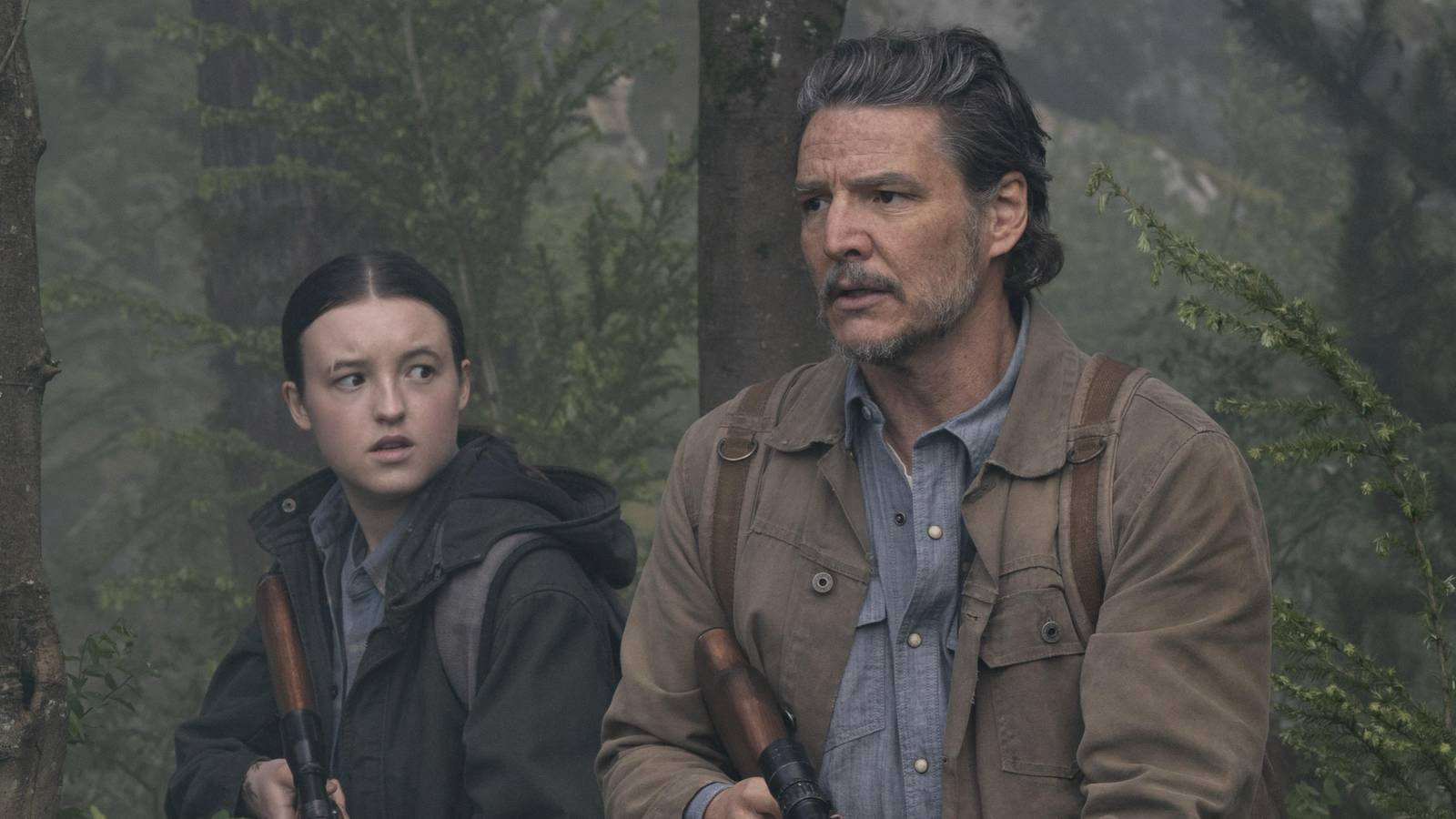
However, recent years have witnessed a dramatic turnaround. *The Last of Us*, for instance, garnered widespread critical acclaim, achieving a remarkable 96% approval rating on Rotten Tomatoes for its first season and drawing in millions of viewers, demonstrating a profound understanding of its somber, character-driven narrative. Similarly, *Fallout* captivated audiences with its faithful yet innovative approach to the post-apocalyptic universe, earning a 93% critical consensus and significant viewership figures upon its release. The success of these series can be attributed to several key factors: close collaboration with game developers, a deep respect for the established lore, robust budgets that allowed for cinematic production values, and the courage to adapt the narrative while preserving its thematic essence. These productions exemplify a new understanding within the entertainment industry that successful adaptations require more than just name recognition; they demand authenticity and a genuine appreciation for the interactive art form they originate from. This shift has not only validated the potential of video game narratives but also paved the way for future projects to aim even higher.
Netflix's Formidable Edge in the Adaptation Landscape
Netflix is no stranger to the world of video game adaptations, having quietly built an impressive portfolio that, in many instances, predates the recent successes of other platforms. Series like *Castlevania*, *Arcane* (based on *League of Legends*), and *Cyberpunk: Edgerunners* have already proven Netflix's capability to deliver high-quality, fan-satisfying content that often pushes creative boundaries. *Arcane*, in particular, stands out for its unique animated style, complex storytelling, and critical praise, winning an Emmy Award for Outstanding Animated Program. These earlier ventures provided Netflix with invaluable experience in navigating the intricate balance between honoring source material and crafting engaging, episodic narratives. They established a precedent for a more nuanced and respectful approach to game lore, demonstrating that the streaming giant understands the diverse expectations of both hardcore gamers and casual viewers. This prior success positions Netflix not as a newcomer, but as a seasoned player with a proven methodology for adaptation.
Beyond its historical track record, Netflix brings several significant strategic advantages to the table. As a global streaming behemoth, it commands an unparalleled reach, capable of launching a new series into millions of households simultaneously across diverse linguistic and cultural landscapes. The company's substantial production budgets enable ambitious projects, allowing for the meticulous recreation of intricate game worlds, the hiring of top-tier talent, and the investment in cutting-edge visual effects. This financial muscle ensures that adaptations are not hampered by creative compromises or a lack of resources, crucial for bringing expansive video game universes to life authentically. Furthermore, Netflix’s data-driven approach to content creation provides unique insights into audience preferences, potentially guiding decisions that optimize a series for maximum appeal. This combination of experience, global scale, and financial backing grants Netflix a powerful edge in its pursuit of the next groundbreaking video game adaptation.
Crafting the Next Benchmark: Key Pillars for Success
Unwavering Authenticity and Creative Collaboration
The cornerstone of any truly great video game adaptation lies in its commitment to authenticity, not just in visual aesthetics but in spirit and thematic resonance. Successful adaptations often stem from a deep, collaborative partnership between the series' showrunners and the original game developers. This collaboration ensures that while the narrative might be expanded or slightly recontextualized for a linear format, the core essence, character motivations, and established lore remain inviolate. It's about translating the *feeling* of playing the game, rather than just its plot points. This collaborative model empowers creators to take calculated creative liberties without betraying the source material, allowing for necessary expansions that enrich the story for television without alienating the dedicated fan base who cherish every detail of the original game's universe. This delicate balance between fidelity and innovation is paramount for any adaptation aiming to set new standards.
Narrative Depth Beyond Interactive Mechanics
A common pitfall in past adaptations was the attempt to replicate gameplay mechanics directly, which rarely translates well to a passive viewing experience. Modern, successful adaptations understand that their strength lies in developing narrative depth that might only be hinted at or left to player interpretation in the game itself. This involves delving deeper into character backstories, exploring complex moral dilemmas, and expanding on the lore of the universe in ways that enhance the viewer's understanding and emotional connection. The goal is to build a compelling story that stands on its own, enriched by the existing world rather than confined by it. By focusing on character arcs, thematic exploration, and the emotional core of the game, an adaptation can transcend simple plot retelling and achieve a truly impactful and memorable cinematic quality that resonates with a broader audience, regardless of their familiarity with the game.
Premium Production and Strategic Casting
The visual grandeur and immersive environments characteristic of many contemporary video games demand equally high production values in their adaptations. Audiences today expect cinematic quality, which necessitates substantial budgets for detailed set design, convincing visual effects, and sophisticated cinematography. Beyond the technical aspects, strategic casting plays a pivotal role. The right actors can not only embody beloved characters but also bring new dimensions to them, appealing to both existing fans and new viewers. This isn't necessarily about choosing A-list stars but selecting performers who genuinely connect with the material and can authentically portray its emotional complexities. When combined, a strong cast, compelling writing, and superior production quality create a powerful synergy, elevating the adaptation from a mere translation to a standalone artistic achievement capable of attracting and retaining a massive global viewership, potentially surpassing even the most lauded predecessors.
The Undisclosed Contender: Anticipation for the Next Big Hit
While the specific title of Netflix's next big video game series remains shrouded in speculation, the anticipation within the entertainment industry and among gaming communities is palpable. The success of *The Last of Us* and *Fallout* has not only raised the bar but also broadened the appeal of game adaptations beyond their original fan bases. This creates an opportune moment for Netflix to capitalize on the momentum with a project that learns from these precedents while carving its own path. Various popular game franchises, from epic fantasy RPGs to gritty sci-fi adventures, are constantly rumored as potential candidates for adaptation. What makes Netflix's unnamed venture so intriguing is the expectation that it will leverage all the lessons learned and resources available to deliver a show that is not just good, but revolutionary. The global video game market, valued at over $200 billion annually, provides a massive and eager audience, making the stakes incredibly high for the streaming giant to produce something truly groundbreaking. The industry buzz isn't just about *what* game is being adapted, but *how* Netflix will execute it to potentially set a new benchmark for excellence.
Ultimately, the narrative around video game adaptations has shifted from cautious hope to genuine excitement. Netflix, with its established pedigree in the genre and vast resources, is uniquely positioned to capitalize on this positive momentum. The challenge for its upcoming series will be to not just replicate the successes of *Fallout* and *The Last of Us*, but to innovate further, pushing the boundaries of what a video game adaptation can achieve on screen. By focusing on deep narrative respect, collaborative creation, and uncompromised production quality, the streaming giant could very well deliver a landmark series that redefines the genre, setting a new gold standard for interactive storytelling brought to life in a linear format. This potential for transcendence is what fuels the high expectations and eager anticipation for Netflix's next big reveal.
As the landscape of video game adaptations continues to evolve, the possibilities for groundbreaking storytelling are endless. Stay ahead of the curve with NAME OF SITE, your ultimate source for in-depth analysis, breaking news, and exclusive insights into the world of gaming, entertainment, and digital culture. Dive deeper into our comprehensive articles and never miss an update on the shows and games shaping our future.
Fonte: https://screenrant.com