
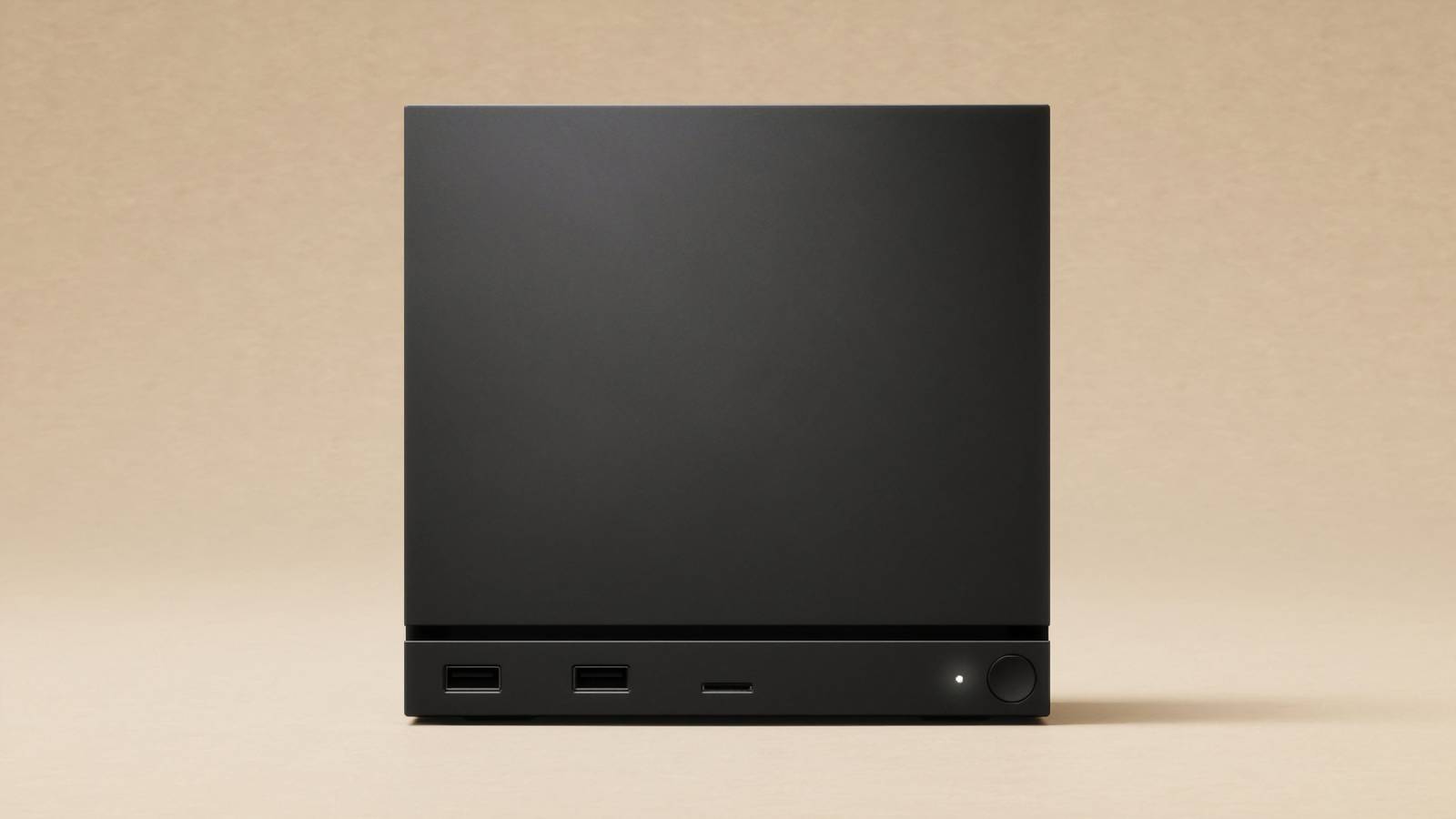
For those deeply invested in the evolving landscape of PC gaming and hardware innovation, the name Steam Machine evokes a particular sense of anticipation. As Valve, a company renowned for its digital distribution platform Steam and its groundbreaking game titles, continues to venture into the hardware arena, its initiatives consistently capture the industry's attention. The Steam Machines, initially conceived as a direct conduit for PC gaming into the living room, represent one of Valve's most ambitious undertakings. Now, with more concrete details emerging regarding their pricing and pre-order windows, enthusiasts and industry observers alike are poised to understand the practical implications of Valve's unique strategy in a highly competitive market.
The Vision Behind Steam Machines: Redefining Living Room Gaming
At its core, the Steam Machine concept aimed to bridge the gap between the power and flexibility of PC gaming and the convenience and accessibility of console gaming. Valve envisioned a world where players could enjoy their extensive Steam libraries, often with superior graphical fidelity and performance, from the comfort of their couches without the traditional complexities associated with desktop PCs. This ambition directly challenged the established dominance of dedicated gaming consoles like PlayStation and Xbox, proposing an open, PC-centric alternative that promised more choice and customizability to consumers.
Central to this vision was SteamOS, Valve's Linux-based operating system designed specifically for the living room environment. By leveraging a modified Linux kernel, SteamOS offered a streamlined interface through its Big Picture Mode, optimizing the user experience for televisions and game controllers. This departure from Windows aimed to create a more controlled and efficient ecosystem, potentially freeing hardware manufacturers from licensing costs and allowing for greater innovation in design and performance. The success of SteamOS was, and remains, crucial for the long-term viability of the Steam Machine ecosystem.
Complementing the Steam Machines was the innovative Steam Controller, engineered to replicate the precision of a mouse and keyboard within a gamepad form factor. Featuring dual trackpads, haptic feedback, and fully customizable inputs, the controller sought to overcome the traditional limitations of console controllers for PC-centric game genres, such as real-time strategy games or first-person shooters. Its development underscored Valve's commitment to creating a comprehensive living room PC gaming experience that addressed every facet of interaction.
A Diverse Ecosystem of Hardware Partners
Unlike traditional console launches, where a single manufacturer produces a uniform device, Steam Machines were designed to be a diverse family of hardware offerings. Valve partnered with numerous third-party manufacturers, including prominent names like Alienware, Falcon Northwest, and CyberPowerPC, each offering their distinct interpretations of the Steam Machine concept. This collaborative approach allowed for a wide spectrum of configurations and price points, ranging from compact, entry-level systems suitable for casual gaming to high-performance machines capable of handling the most demanding titles.
This modular strategy offered significant advantages, providing consumers with unprecedented choice and fostering innovation among hardware vendors. It meant that players could select a Steam Machine that perfectly fit their budget, performance expectations, and aesthetic preferences, much like buying a traditional gaming PC. However, it also presented a challenge in establishing a clear brand identity, as the 'Steam Machine' label encompassed a broad range of devices rather than a singular, easily identifiable product.
Decoding the Pricing and Pre-Order Landscape
The recent narrowing down of pricing and pre-order details marks a pivotal moment for the Steam Machine initiative. For months, specifications and potential costs have been a subject of speculation among the gaming community. The clearer picture now emerging allows prospective buyers to assess the value proposition of these systems against established consoles and traditional gaming PCs. This clarity is essential for consumers making informed decisions, especially given the varied offerings and the innovative, yet unproven, nature of the Steam Machine ecosystem. Understanding the entry points and the high-end configurations is key to evaluating their market competitiveness.
With pre-order availability becoming more defined, enthusiasts can finally mark their calendars. This phase signifies the transition from conceptualization and development to tangible market presence. Specific dates and retailer partnerships will dictate the initial accessibility of these machines. The success of this pre-order phase will be a critical indicator of consumer appetite for Valve's living room PC gaming solution and will set the stage for their broader market introduction. It's a testament to the hardware fan's dedication that such specific logistics become headline news, underscoring the deep investment many have in Valve's innovative endeavors.
Competitive Positioning and Market Strategy
The pricing strategy for Steam Machines is inherently complex due to their diverse nature. High-end models will undoubtedly compete with premium gaming PCs, offering comparable performance in a more living-room-friendly form factor. Mid-range and entry-level options, however, must contend directly with the aggressive pricing of PlayStation and Xbox consoles. Valve's strategy appears to hinge on offering superior flexibility, upgradability (for some models), and access to the vast Steam library, often at lower prices than console counterparts through sales, as compelling differentiators. The ultimate success will depend on how effectively these advantages resonate with a broad consumer base beyond dedicated PC enthusiasts.
Valve's Role as an Industry 'Wild Card'
Valve has long been regarded as a 'wild card' in the technology and gaming industries, known for its unconventional approaches and willingness to experiment. From pioneering digital distribution with Steam to developing groundbreaking titles like Half-Life and Portal, the company consistently operates outside traditional industry norms. Their foray into hardware with the Steam Machines, following previous ventures such as the Steam Controller, exemplifies this ethos. This willingness to innovate, even at the risk of challenging established paradigms, makes every Valve hardware launch a fascinating spectacle, regardless of one's intent to purchase.
This reputation for unpredictability means that Valve's hardware initiatives are seldom met with indifference. Their history suggests that even if initial iterations face challenges, the company's long-term commitment to evolving and refining its vision often leads to significant impact. The Steam Machines are not just about selling a product; they represent Valve's attempt to influence the direction of PC gaming itself, pushing boundaries and exploring new avenues for how players interact with their games.
The Potential Impact on PC Gaming
The advent of Steam Machines, with their impending widespread availability, holds the potential to significantly reshape the PC gaming landscape. By offering a more accessible and streamlined entry point into PC gaming for the living room, they could expand the demographic of PC gamers beyond those traditionally tied to a desktop setup. Furthermore, the success of SteamOS could bolster the Linux gaming ecosystem, encouraging developers to further optimize their titles for the open-source platform. The increased competition in the living room gaming space could also spur innovation across the entire industry, benefiting consumers with more choices and potentially better products from all manufacturers.
However, challenges remain. Consumer education about the differences between Steam Machines and traditional consoles, the perception of Linux as a gaming platform, and sustained developer support for SteamOS will be crucial for long-term success. The initiative's impact will ultimately be measured not just by initial sales, but by its ability to cultivate a robust and enduring ecosystem that truly offers a compelling alternative for millions of gamers worldwide.
As the launch of Steam Machines draws near, the gaming world watches intently to see how Valve's bold vision will unfold. This significant step marks a new chapter for PC gaming, promising a future where flexibility and accessibility in the living room are paramount. To stay informed on the latest developments, in-depth analyses, and comprehensive reviews of the Steam Machines and other cutting-edge gaming hardware, we invite you to explore more content on NAME OF SITE, your ultimate source for all things gaming and tech.
Fonte: https://screenrant.com