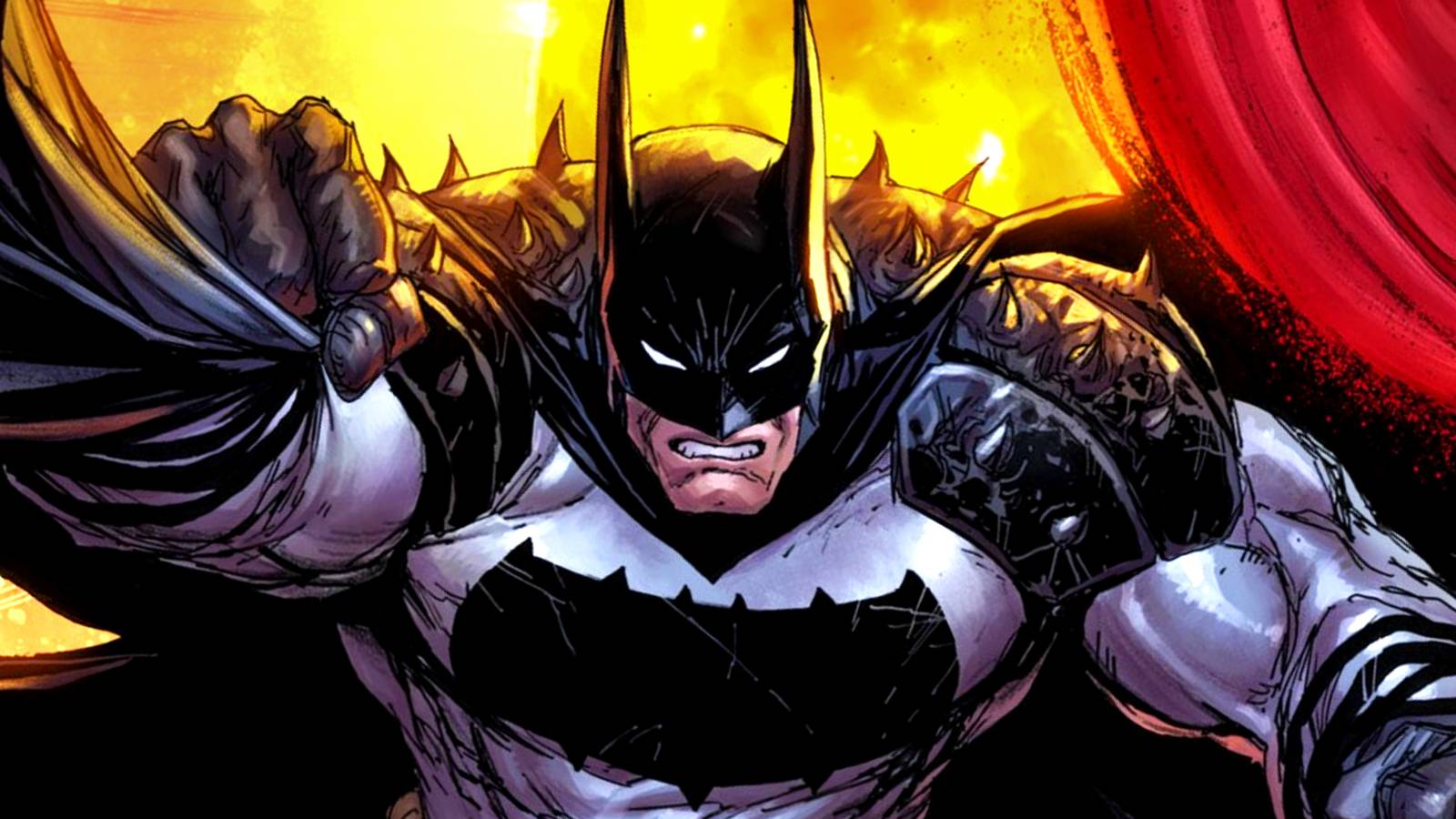
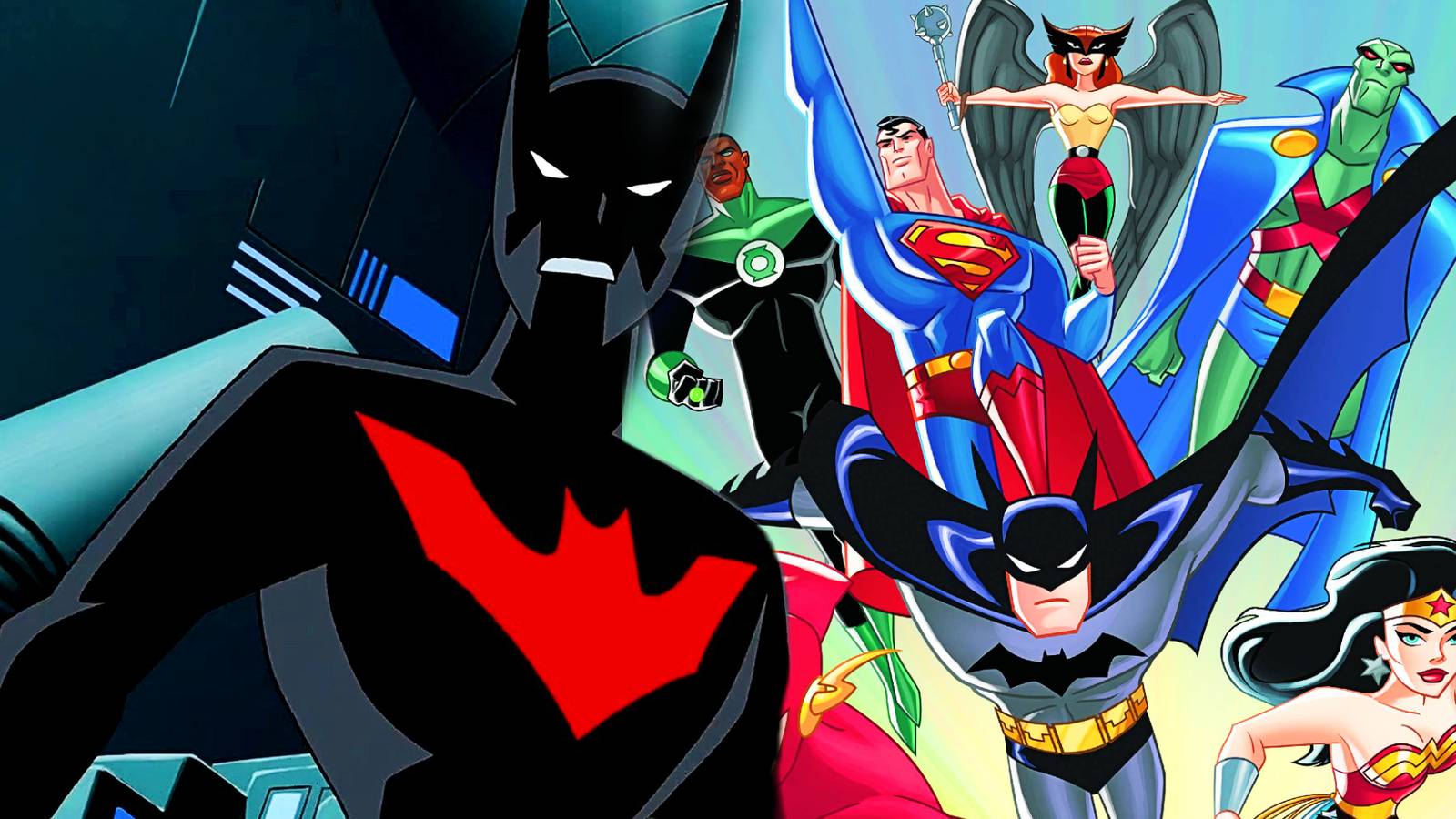
The DC Animated Universe (DCAU) stands as a monumental achievement in modern storytelling, a sprawling narrative tapestry woven across multiple animated series and films. For decades, this meticulously crafted universe captivated audiences, building an expansive and emotionally resonant world that set a gold standard for interconnected superhero sagas. As the broader DC cinematic and television landscape, including the highly anticipated new DCU slate with projects like <i>Supergirl</i>, <i>Lanterns</i>, and <i>Clayface</i> slated for 2026, prepares for a significant year, there's no better time to revisit and fully appreciate DC's most celebrated shared universe. Understanding its intricate timeline is key to unlocking the full depth of its characters, overarching plots, and subtle world-building.
The Genesis of a Legend: What Is the DCAU?
At its core, the DCAU refers to a shared fictional universe produced by Warner Bros. Animation and DC Comics, primarily under the creative vision of Bruce Timm, Paul Dini, and Alan Burnett. It began in 1992 with the groundbreaking series <i>Batman: The Animated Series</i>, which redefined how animated superhero content could be perceived, offering mature themes, nuanced character development, and a distinct art deco visual style. This foundational series laid the groundwork for an ambitious expansion, gradually incorporating Superman, other Justice League members, and even future generations of heroes. Unlike many other animated adaptations, the DCAU was designed from the outset to be a cohesive entity, with character arcs and plot developments carrying over from one series to the next, creating a rich and evolving narrative.
The brilliance of the DCAU lies in its consistent tone and character interpretations. It successfully balanced episodic storytelling with long-form serialization, allowing individual episodes to be enjoyed while also contributing to a larger meta-narrative. This approach fostered a deep connection between the audience and its vast cast of characters, from iconic heroes like Batman and Superman to lesser-known but equally compelling figures. Its commitment to quality writing, voice acting, and animation elevated the genre, earning critical acclaim and a devoted fanbase that continues to grow years after its conclusion.
Why a Chronological Watch Order Enhances the Experience
For newcomers and seasoned fans alike, navigating the DCAU in its intended chronological order is paramount to a truly immersive experience. The creators meticulously crafted an interwoven story where events in one series directly impact characters and situations in others. Watching out of sequence can lead to significant spoilers, missed character introductions, and a diluted understanding of critical plot developments. For instance, the evolution of characters like Harley Quinn, the deepening relationship between Batman and Commissioner Gordon, or the complex geopolitical challenges faced by the Justice League are best appreciated when viewed as they unfold narratively, rather than by original airdate or arbitrary order.
A proper timeline viewing also highlights the subtle world-building and recurring themes that might otherwise go unnoticed. Character crossovers, subtle Easter eggs, and the slow burn of overarching villains gain profound significance. It allows viewers to witness the growth and transformation of heroes and villains across different eras, observing how their past experiences shape their present actions and future destinies. This deliberate narrative structure is a testament to the visionary planning that went into building this expansive universe, making the chronological journey an essential part of its appreciation.
The Complete DCAU Timeline: A Definitive Viewing Guide
Phase 1: The Foundations of Gotham and Metropolis
The journey begins with the series that started it all, focusing on the individual heroes before their eventual union. This phase establishes the core characterizations and sets the stage for the wider universe.
<b>1. <i>Batman: The Animated Series</i> (1992-1995) & <i>The New Batman Adventures</i> (1997-1999):</b> While technically distinct, <i>The New Batman Adventures</i> serves as a continuation of <i>Batman: The Animated Series</i> with a slightly darker tone and updated character designs. It’s best to watch these in their combined chronological order, as the events flow seamlessly. This series introduces Batman’s rogues gallery, key allies like Robin (Dick Grayson and Tim Drake), Batgirl, and sets the standard for mature superhero storytelling. Within this era, two essential films enhance the narrative: <b><i>Batman: Mask of the Phantasm</i> (1993)</b>, a prequel that delves into Bruce Wayne's early days and his tragic romance, and <b><i>Batman & Mr. Freeze: SubZero</i> (1998)</b>, which focuses on the tragic villain Mr. Freeze and his desperate quest to save his wife Nora.
<b>2. <i>Superman: The Animated Series</i> (1996-2000):</b> Following Batman's success, this series offered a modern, compelling take on the Man of Steel. It introduced his iconic supporting cast, villains like Lex Luthor and Brainiac, and established Metropolis as a vibrant counterpoint to Gotham's gothic shadows. Key crossovers with Batman begin here, solidifying the idea of a shared universe. Episodes like "World's Finest" are pivotal in showcasing the dynamic between the two flagship heroes, laying the groundwork for the Justice League.
Phase 2: Expanding the Universe and Forming the League
This phase sees the universe broaden significantly, with the introduction of more heroes and the formation of the iconic superhero team. The stakes become global, then cosmic, as the threats grow larger than any single hero can handle.
<b>3. <i>Justice League</i> (2001-2004):</b> The culmination of the previous series, this show united Batman, Superman, Wonder Woman, Green Lantern (John Stewart), The Flash (Wally West), Martian Manhunter, and Hawkgirl. It explored grander narratives, including alien invasions, parallel dimensions, and complex moral dilemmas. The multi-part episodes often felt like cinematic events, showcasing the unique dynamics and powers of each team member. Its finale, the three-part episode "Starcrossed," serves as a de facto movie and a crucial turning point for Hawkgirl's character, irrevocably changing the League's composition and trust.
<b>4. <i>Static Shock</i> (2000-2004):</b> While initially a standalone series, <i>Static Shock</i> was integrated into the DCAU, with Static (Virgil Hawkins) meeting Batman, Superman, and eventually the Justice League. Its later seasons, particularly from season 3 onwards, are best watched concurrently with or immediately after <i>Justice League</i> to fully appreciate the crossovers and shared continuity. This series provided a vital perspective from a younger, street-level hero, tackling social issues while delivering thrilling superhero action.
<b>5. <i>The Zeta Project</i> (2001-2002):</b> A spin-off from <i>Batman Beyond</i>, this series follows the adventures of Zeta, a synthetic infiltrator unit from the future, on the run from the NSA. While not essential for the main narrative, it further fleshes out the futuristic setting and occasionally features guest appearances that tie it to the larger DCAU, particularly in how it explores artificial intelligence and government surveillance within the universe's established lore.
<b>6. <i>Justice League Unlimited</i> (2004-2006):</b> The grand finale of the core DCAU storyline, <i>Justice League Unlimited</i> expanded the team exponentially, featuring dozens of DC heroes working together. It tackled overarching conspiracies, political intrigue, and existential threats, culminating in epic battles against the likes of Project Cadmus and the Legion of Doom. The series masterfully balanced ensemble storytelling with individual character focus, bringing many long-running character arcs to satisfying conclusions. The poignant final episode, "Epilogue," acts as a flash-forward to the <i>Batman Beyond</i> era, providing a powerful, emotional capstone to the entire universe.
Phase 3: The Future and Final Legacy
The final phase takes us into the future, exploring the enduring legacy of the heroes and the lasting impact of the original Justice League's work.
<b>7. <i>Batman Beyond</i> (1999-2001):</b> Set decades in the future, this series introduces Terry McGinnis as the new Batman, mentored by an elderly Bruce Wayne. It offers a cyberpunk vision of Gotham City, exploring themes of legacy, responsibility, and what it means to be Batman. The series successfully reinvents the mythos while staying true to the spirit of the original. The accompanying film, <b><i>Batman Beyond: Return of the Joker</i> (2000)</b>, is a darker, more intense entry, exploring the return of Batman's arch-nemesis and the traumatic impact he had on the Bat-Family. This film is often considered one of the DCAU's finest entries and is crucial for understanding the character dynamics of the future timeline.
The entire journey concludes not just with <i>Batman Beyond: Return of the Joker</i>, but truly with the <i>Justice League Unlimited</i> episode "Epilogue." While airing before the end of <i>Batman Beyond</i>'s run, "Epilogue" offers a direct link to Terry McGinnis's origins and a poignant final statement on the enduring legacy of Bruce Wayne, serving as the definitive chronological end to the main narrative threads of the DCAU.
The Enduring Impact and Influence of the DCAU
The DC Animated Universe didn't just tell compelling stories; it fundamentally reshaped perceptions of superhero animation and influenced countless projects that followed. Its ability to weave complex narratives, develop characters with genuine depth, and tackle mature themes within an accessible framework set a benchmark that few other shared universes, animated or live-action, have managed to replicate. From its groundbreaking character designs to its stellar voice cast and unforgettable musical scores, every element contributed to a cohesive and memorable experience.
Beyond its immediate success, the DCAU demonstrated the immense potential of a truly interconnected fictional world. It proved that superhero narratives could be sophisticated, emotionally resonant, and appealing to a broad audience, from children to adults. Its legacy is evident in the continued popularity of its characters, the reverence with which its stories are held, and its direct influence on subsequent DC media. As the DCU embarks on its next chapter, the DCAU serves as a powerful reminder of the impact that visionary storytelling and meticulous world-building can achieve.
Ready to dive into this incredible universe or relive its greatest moments? Understanding the correct viewing order ensures you don't miss a single beat of its expansive, emotionally rich narrative. For more in-depth analyses, character spotlights, and updates on the latest in pop culture, keep exploring PopCulturePulse.com. Your journey into the heart of entertainment starts here!
Fonte: https://screenrant.com