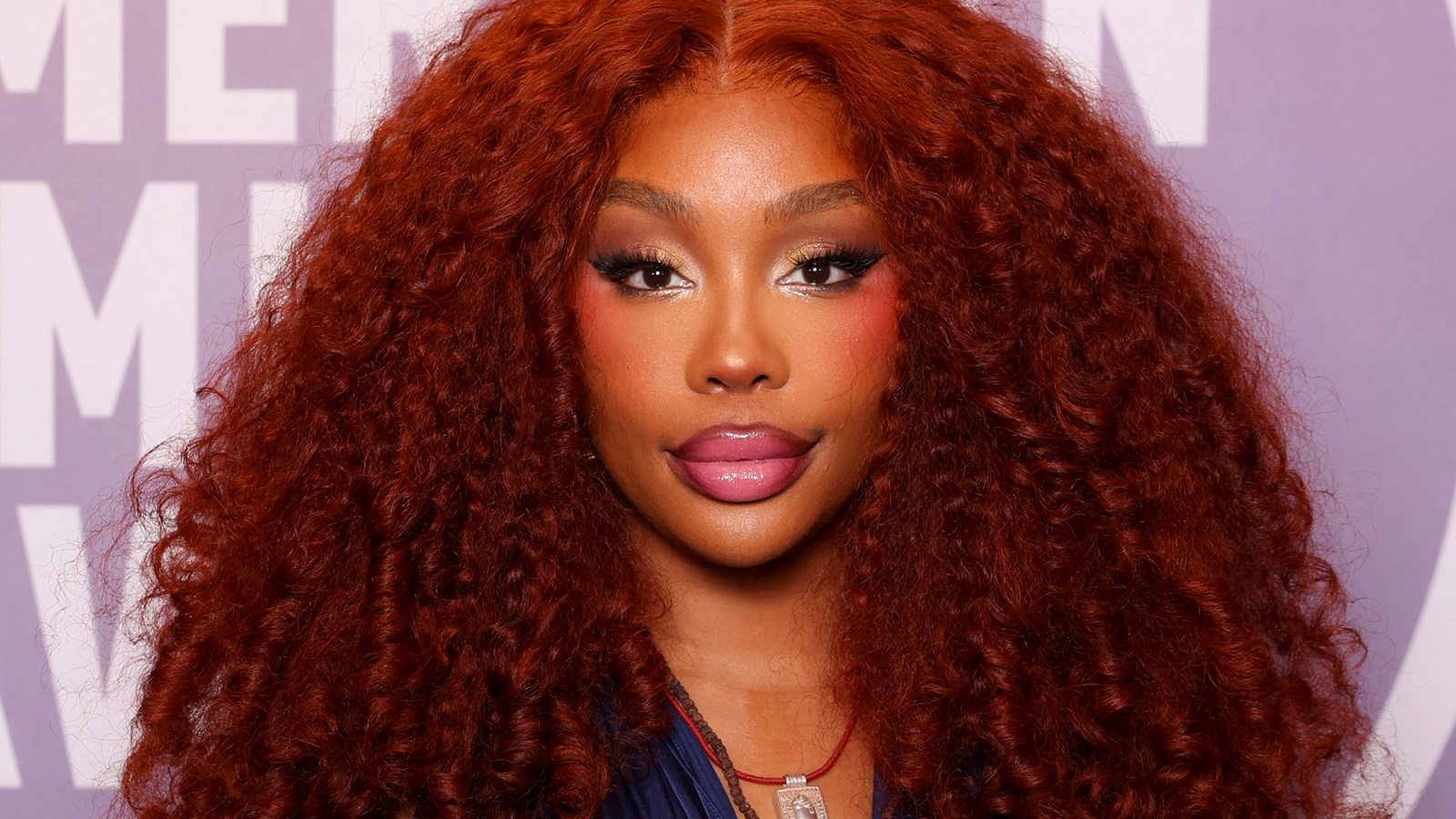
The acclaimed Grammy-winning artist SZA has voiced a powerful and unequivocal condemnation of artificial intelligence's unauthorized use in music, specifically urging Black musicians to reject generative AI platforms. Her recent comments come after discovering that an AI model had exploited hundreds of her songs without consent or compensation, a revelation that has ignited further debate within the music industry regarding copyright, artistic integrity, and equitable practices in the age of advanced technology. This stance not only highlights the immediate concerns of individual artists but also underscores a broader systemic challenge confronting creators globally, especially those from historically marginalized communities.
The Genesis of SZA’s Outcry: Diplo, Suno, and Unconsented Use
SZA's impassioned call to action was directly prompted by the alleged involvement of prominent DJ and producer Diplo, alongside the generative AI platform Suno. While the precise nature of Diplo's connection to the specific AI model that utilized SZA's catalog remains a subject of public scrutiny, SZA explicitly named both entities in her critique. Suno, a platform known for its ability to create new songs from text prompts, represents a growing segment of AI tools that are rapidly democratizing music creation. However, the ethical implications of how these tools are trained—often by ingesting vast amounts of existing copyrighted music without explicit permission or remuneration to the original creators—are at the heart of the current controversy. SZA's experience illustrates a stark reality: artists are frequently left out of the loop when their intellectual property becomes the foundational data for AI algorithms, raising serious questions about exploitation.
The sheer volume of her work—hundreds of songs—being fed into an AI model without her knowledge or agreement is particularly alarming. This incident is not isolated; it mirrors similar complaints from other artists who have found their unique vocal styles, instrumental compositions, and lyrical motifs replicated or repurposed by AI. The ease with which these models can digest and mimic human creativity presents a formidable challenge to existing copyright laws, which were not designed to account for the nuances of machine learning and data harvesting on such a massive scale. Artists are increasingly concerned about losing control over their artistic identity and the economic value derived from their creative output.
The Broader Ethical and Legal Minefield of AI in Music
The music industry stands at a critical juncture, grappling with the rapid advancements of artificial intelligence. While AI offers potential benefits for creative exploration, production efficiency, and accessibility, its deployment without ethical guidelines poses significant threats. Central to this debate is the issue of intellectual property rights. Generative AI models learn by analyzing enormous datasets, which often include copyrighted songs, lyrics, and melodies. The argument that this constitutes 'fair use' for training purposes is fiercely contested by artists and legal experts who view it as unauthorized replication and a direct threat to their livelihoods. The absence of a clear legal framework to govern this process leaves artists vulnerable to having their work used to create new content that could potentially compete with their own, all without their consent or proper compensation.
Copyright Challenges and Compensation Dilemmas
Current copyright law, largely established in an analog era, struggles to adequately address the complexities introduced by AI. The legal precedent for 'originality' and 'authorship' is challenged when algorithms generate content based on the stylistic elements of human artists. The core question becomes: who owns the copyright to AI-generated music that is explicitly derived from existing human-created works? Furthermore, the lack of a standardized compensation model for artists whose work is used in AI training datasets is a gaping hole in the digital economy. Artists are not merely concerned with receiving a one-time payment; they seek ongoing residuals and control over how their artistic identity is leveraged. This predicament exacerbates existing power imbalances within the industry, often favoring technology companies over individual creators.
Artistic Integrity and Identity
Beyond financial considerations, SZA's protest resonates with a profound concern for artistic integrity. For many musicians, their art is an extension of their identity, a deeply personal expression. The idea of an AI model indiscriminately mimicking their style or voice without their permission feels like a violation. It blurs the lines between inspiration and imitation, potentially devaluing the unique human touch that defines genuine artistry. The fear is that AI-generated music, while technically proficient, might ultimately dilute the emotional depth and cultural significance that human creativity brings to the table, leading to a homogenized and less authentic artistic landscape.
SZA’s Specific Call to Black Musicians: A Historical Context
SZA’s specific appeal to Black musicians to reject AI carries significant historical weight. The exploitation of Black artists' music, often uncredited or undercompensated, has been a pervasive issue throughout the history of the music industry. From the unacknowledged origins of rock and roll to the appropriation of various genres, Black creators have frequently seen their innovations capitalized upon by others while they themselves received minimal recognition or financial reward. This historical context makes the threat of AI particularly acute for Black artists, who view AI's unchecked usage as a continuation of a long-standing pattern of systemic exploitation. The concern is that AI, if unregulated, could further entrench these disparities, creating a new frontier for cultural appropriation and economic disenfranchisement.
The call for collective action among Black musicians highlights the imperative for solidarity in combating these emerging threats. It's a recognition that individual protests, while powerful, gain strength when artists unite to advocate for fair practices and robust protections. For SZA, this is not just about her own catalog; it’s about safeguarding the future for all artists, particularly those who have historically been most vulnerable to exploitation. Her statement serves as a rallying cry for self-preservation and the assertion of artistic agency in a rapidly evolving technological environment.
The Path Forward: Industry Reactions and Regulatory Efforts
SZA's vocal opposition is part of a growing chorus of artists, industry organizations, and policymakers pushing for stricter regulations on AI in creative fields. Major record labels, artist unions, and advocacy groups are actively engaging with legislators to draft new laws and update existing ones to address AI-specific challenges. The Recording Industry Association of America (RIAA) and other bodies have emphasized the need for AI companies to secure licenses and provide compensation for the use of copyrighted works in training data. This push includes advocating for transparency in AI development and deployment, ensuring that artists know when their work is being used and how. The goal is to establish a framework that allows for technological innovation while simultaneously protecting artists' rights and promoting a fair marketplace.
Several legislative efforts are already underway in various jurisdictions, seeking to define 'fair use' in the context of AI training and to mandate consent and compensation for creators. These initiatives often face complex legal and technical hurdles, but the increasing visibility of artists' concerns, amplified by figures like SZA, is helping to build momentum. The future of AI in music will likely involve a delicate balance between technological progress and ethical responsibility, guided by robust legal protections and industry-wide collaboration. The imperative is to prevent a scenario where artists' contributions are inadvertently or deliberately devalued by the very technology that promises to enhance creative possibilities.
SZA’s courageous stand against the unconsented use of her music by AI models, and her powerful appeal to Black musicians, serves as a pivotal moment in the ongoing discourse surrounding artificial intelligence and the arts. Her experience illuminates the critical need for comprehensive ethical guidelines, updated legal frameworks, and a renewed commitment to artist compensation and control in the digital age. As AI continues to evolve, the collective voice of artists will be essential in shaping a future where technology empowers creativity rather than exploits it. We invite you to explore more in-depth analyses of AI's impact on various industries and the ongoing debates surrounding intellectual property rights by continuing to browse NAME OF SITE. Your engagement helps foster a more informed and equitable digital landscape.
Fonte: https://www.rollingstone.com