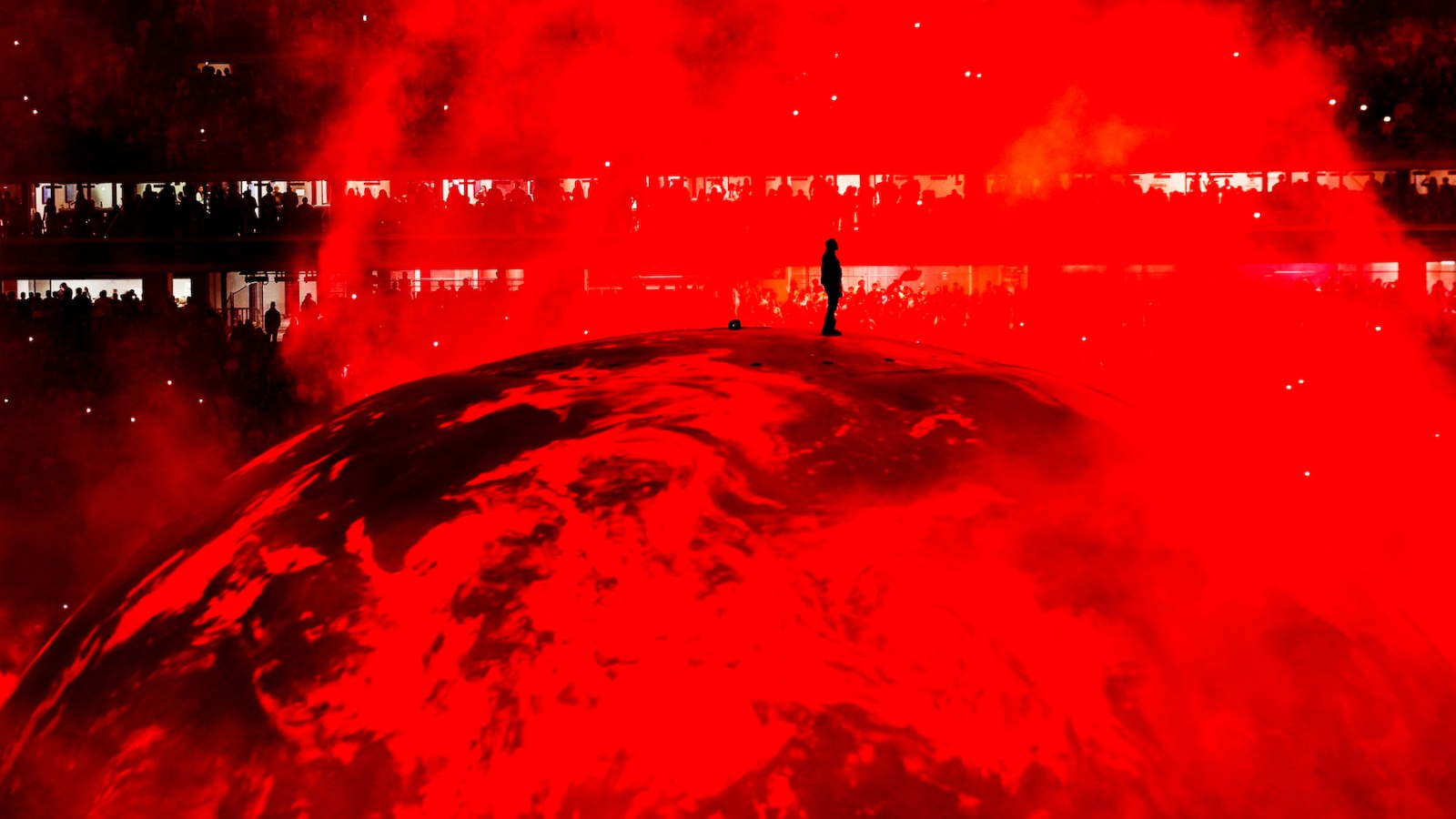
San Antonio, Texas – A significant controversy has erupted in 'Military City USA' following a resolute statement from Mayor Gina Ortiz Jones, who is calling for the immediate cancellation of a planned July 4th concert by Kanye West at the city-funded Alamodome. The mayor's impassioned plea, delivered with clarity and conviction, stems from serious concerns regarding West's documented history of hate speech and antisemitic comments. Her stance underscores a broader debate about the moral obligations of public facilities and the individuals they choose to host, particularly when those individuals have a record of promoting divisive or harmful rhetoric. The planned event, which had garnered attention for its potential size and festive timing, now faces a formidable challenge from the city's highest office, raising questions about its feasibility and the underlying principles governing public spaces. This situation demands a comprehensive examination of the artist's past actions, the venue's public status, and the community's values.
Mayor Jones's Principled Opposition and the 'Military City USA' Ethos
Mayor Gina Ortiz Jones articulated her firm opposition directly, stating, 'Military City USA should not host someone with a record of hate speech and antisemitic comments in a city-funded facility like our Alamodome—not ever.' This statement is not merely a political declaration but a reflection of San Antonio's deep-rooted values and its identity as a beacon for military families and veterans. The city takes immense pride in its heritage, serving as home to numerous military installations and a significant population of service members and their families. For Mayor Jones, allowing a figure like Kanye West, whose public statements have been widely condemned for their prejudicial nature, to perform in a venue supported by taxpayer dollars would be a profound betrayal of these values. Her emphasis on 'not ever' highlights an unwavering commitment to upholding a standard of respect and inclusivity within public-funded spaces, suggesting that certain behaviors and rhetorics are fundamentally incompatible with the city's moral fabric. This commitment resonates particularly strongly in a community that understands the sacrifices made for the nation's principles of freedom and equality, where the integrity of public institutions is paramount. The mayor's strong stance reflects a broader sentiment that public platforms should not be afforded to those who actively undermine the values of respect and diversity.
The Alamodome: A Public Trust at the Center of Controversy
The Alamodome, a prominent multi-purpose stadium in San Antonio, serves as a cornerstone for major events, ranging from sporting competitions to large-scale concerts and conventions. As a city-owned and operated facility, it operates under the implicit understanding that its use should align with the community's best interests and uphold public trust. The mayor's argument critically hinges on the Alamodome’s status as a 'city-funded facility,' implying that public funds should not inadvertently subsidize platforms for individuals whose messages conflict with fundamental civic principles. The financial backing from taxpayers means that decisions regarding its usage carry an additional layer of public accountability. Hosting an artist with a controversial past potentially implicates the city in endorsing, or at least condoning, the views expressed by that individual, regardless of contractual agreements. This situation forces a direct confrontation between economic opportunities presented by high-profile events and the ethical responsibilities associated with managing public assets. The debate transcends mere entertainment; it delves into the very essence of what a community deems acceptable to showcase within its public infrastructure, especially when the integrity of its diverse populace could be questioned or offended. The management of such a venue carries a significant responsibility to balance commercial viability with the profound ethical implications of its bookings.
Kanye West's History of Controversial Remarks
Kanye West, a globally recognized musician, fashion designer, and entrepreneur, has increasingly become synonymous with a series of inflammatory public statements. Over recent years, his rhetoric has drawn widespread condemnation, particularly for remarks deemed antisemitic and hateful. These comments have surfaced across various platforms, including social media, interviews, and public appearances, often leading to significant backlash and the termination of major brand partnerships. For instance, in late 2022, West made multiple antisemitic statements that led to his suspension from social media platforms and the severing of lucrative deals with companies like Adidas and Balenciaga. His controversial pronouncements have not been isolated incidents but have formed a discernible pattern of behavior that many view as profoundly troubling. Critics argue that such remarks not only perpetuate harmful stereotypes but also contribute to a climate of intolerance and prejudice. The mayor's call for cancellation is a direct response to this established pattern, highlighting the challenge faced by public entities in balancing artistic expression with the imperative to protect community values and ensure a safe, inclusive environment for all residents. The weight of his past actions directly impacts the city’s current dilemma, transforming a simple concert booking into a complex ethical and social quandary that demands thoughtful consideration of public impact.
Navigating Freedom of Speech and Public Accountability
The predicament surrounding Kanye West's proposed concert in San Antonio inevitably reignites the perennial debate concerning freedom of speech versus the boundaries of public accountability, particularly for public figures and within public venues. While the First Amendment to the U.S. Constitution safeguards freedom of expression, this protection is not absolute and does not compel a public entity to provide a platform or implicitly endorse speech deemed hateful or discriminatory. Mayor Jones's position argues that a city-funded facility like the Alamodome has a unique responsibility to reflect the values of its constituents and to avoid tacitly promoting messages that could harm or alienate segments of its population. The decision to host an event at a public venue often involves a complex calculus, weighing potential economic benefits against the moral and social implications. In cases involving artists with a history of controversial remarks, the question becomes whether providing a stage equates to lending legitimacy to their broader ideology. This delicate balance requires municipal leaders to consider not only legal frameworks but also the community's ethical compass, striving to protect democratic principles while simultaneously fostering an environment free from discrimination and hate. The ongoing discussion seeks to define the permissible limits when public resources are at stake and the potential for harm to the community is present.
The Road Ahead: Potential Outcomes and Community Impact
The mayor's declaration sets the stage for a contentious period, with multiple potential outcomes for the planned July 4th concert. Event organizers, promoters, and city officials will now need to engage in discussions that could range from upholding the booking to seeking alternative arrangements or outright cancellation. The decision may also involve legal considerations regarding existing contracts, which often contain clauses related to public image and conduct. Beyond the logistical and legal aspects, the controversy carries significant implications for community sentiment. Residents of San Antonio, especially those from Jewish communities and military families, are likely to have strong opinions on the matter. Veterans' groups, given the city's moniker, may also voice their perspectives, reinforcing the importance of respecting all citizens. The city council could become involved, potentially holding public hearings or debates to gauge the wider public mood and deliberate on the best course of action. This incident serves as a crucial test for San Antonio's leadership to navigate a high-profile cultural event through the lens of deeply held community values, potentially setting a precedent for how similar situations are handled in other municipalities across the nation. The ultimate resolution will undoubtedly reflect the city's commitment to its principles in the face of celebrity and commerce, demonstrating the power of civic leadership in upholding community standards.
As this complex situation unfolds, the discussion in San Antonio highlights the ongoing tension between artistic freedom, public responsibility, and the imperative to combat hate speech. For continuous updates on this developing story and to explore related analyses, we invite you to continue browsing our site, where we provide in-depth reporting and expert commentary on the issues shaping our communities. Stay informed as we track the implications of this significant civic debate.
Fonte: https://www.rollingstone.com