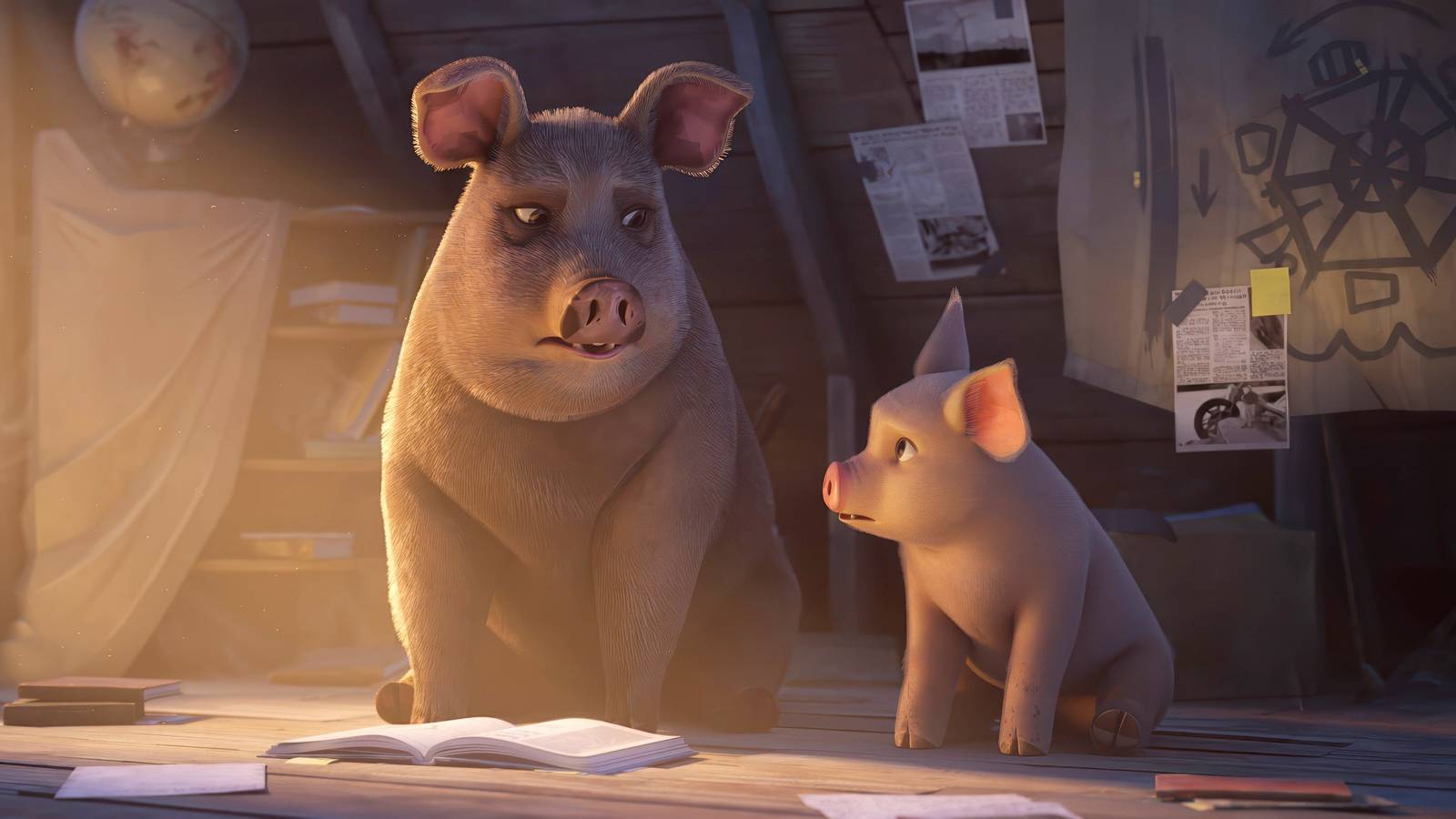

While iconic cinematic robots like Arnold Schwarzenegger's Terminator or the recent Roz in 'The Wild Robot' undoubtedly leave their mark, television productions often offer a unique canvas for audiences to forge deeper, more nuanced connections with these synthetic characters. The serialized nature of TV storytelling provides an expansive timeline, allowing for intricate character arcs, profound philosophical explorations, and a more thorough examination of what it truly means to be human through the lens of artificial intelligence. Unlike the often self-contained narratives of films, television allows robots to evolve, grapple with existential questions over seasons, and become integral parts of a narrative tapestry that mirrors society's anxieties and aspirations regarding technology.
The small screen has become a crucial forum for portraying robots not merely as tools or threats, but as fully realized characters with complex motivations, evolving personalities, and sometimes, a startling capacity for emotion. These robotic figures challenge our preconceptions about consciousness, free will, and the very essence of life, often revealing surprising answers that resonate long after the credits roll. They force viewers to confront ethical dilemmas, question the boundaries between organic and synthetic life, and ponder the future implications of advanced AI becoming an indelible part of human existence.
The Evolving Role of Robots in Television Narratives
Television's portrayal of robots has undergone a significant evolution, shifting from simplistic mechanical servants or menacing antagonists to complex, sentient beings capable of profound introspection. In the early days, robots often served as plot devices, providing comic relief or performing superhuman tasks. Shows like 'Lost in Space' introduced us to companions who, while intelligent, were largely defined by their programming. However, as technology advanced in the real world, so too did the fictional representations on screen, mirroring humanity's growing fascination and apprehension with artificial intelligence. This shift allowed writers to delve into more sophisticated themes, transforming robots into central figures around whom entire narratives could revolve.
This protracted narrative format distinguishes TV robots from their cinematic counterparts. Movies, constrained by a two-hour runtime, often depict a robot's journey in a compressed, impactful burst. Television, conversely, can dedicate seasons to a robot's gradual development, exploring the nuances of their 'identity crisis,' their attempts to integrate into human society, or their struggles with newfound sentience. This extended exposure fosters a deeper empathetic connection with the audience, making their triumphs and tragedies more resonant and their philosophical dilemmas more poignant. Through this sustained engagement, TV characters challenge viewers to reconsider conventional definitions of life and consciousness.
Robots as Mirrors: Exploring Humanity and Identity
Many of television's most memorable robots function as profound philosophical mirrors, reflecting humanity's deepest aspirations, fears, and moral quandaries. By contrasting their logical, often emotionless, processing with human unpredictability and sentiment, these characters provide a unique lens through which to examine what makes us inherently 'human.' They often embark on quests to understand emotions, ethics, and the subjective nature of existence, forcing both themselves and the audience to ponder the very foundations of consciousness and free will. This dynamic interplay highlights the arbitrary yet significant lines we draw between organic and synthetic life.
The exploration of robotic sentience frequently raises uncomfortable questions about our own biases and anthropocentric views. When a robot expresses fear, joy, or love, does it diminish their 'artificiality' or elevate their status? Shows tackle complex ethical dilemmas surrounding the rights of sentient machines, their capacity for suffering, and the morality of creating beings designed for servitude. These narratives not only entertain but also serve as powerful thought experiments, pushing the boundaries of scientific ethics and prompting societal reflection on our responsibilities towards advanced artificial intelligences.
Data: The Quest for Humanity in Star Trek: The Next Generation
Lieutenant Commander Data from 'Star Trek: The Next Generation' stands as a quintessential example of a robot grappling with the essence of humanity. An android designed with a positronic brain, Data consistently strives to understand and experience human emotions and behaviors, a journey that forms one of the show's most enduring and beloved plotlines. His meticulous observations, logical analyses, and often humorous attempts to mimic human expressions, like using contractions or developing a sense of humor, highlight the complexities and sometimes illogical nature of human experience. Through Data, viewers explore themes of identity, belonging, and the relentless pursuit of self-improvement.
Data's friendships and relationships, particularly with Geordi La Forge and his creator, Dr. Noonien Soong, further underscore his profound impact. He teaches his human colleagues about patience, objectivity, and the beauty of striving for something greater than oneself, even if the desired outcome, like true emotion, remains elusive. His very existence challenges the Starfleet universe — and by extension, our own — to define what constitutes a 'person' and whether artificial life forms deserve the same rights and respect as biological ones. Data's journey is not just about a robot wanting to be human; it's about humanity learning to recognize itself in the 'other.'
The Cylons: Identity and Existentialism in Battlestar Galactica
'Battlestar Galactica' presents the Cylons, an advanced race of machines that evolve beyond their programming to become sophisticated, self-aware beings, some of whom are indistinguishable from humans. Their initial role as genocidal adversaries transforms into a complex exploration of identity, faith, and the cyclical nature of conflict. The humanoid Cylons, in particular, blur the lines between creator and creation, often questioning their own purpose and whether they are merely copies or individuals with souls. This profound internal struggle reflects humanity's own search for meaning and a higher purpose.
The series uses the Cylons to challenge viewers' perceptions of good and evil, highlighting that consciousness and morality are not exclusive to organic life. Their quest for a promised land, their capacity for love, hate, and sacrifice, and their internal divisions mirror human societies in startling ways. The Cylons force us to confront uncomfortable questions: If a machine can pray, believe, and feel, what differentiates it from us? Their narrative arc is a powerful meditation on what it means to be alive, to possess agency, and to find redemption, regardless of one's origin.
Humor, Companionship, and Cultural Resonance
Beyond the philosophical depths, many TV robots serve critical roles in providing comic relief, unwavering companionship, or simply capturing the public imagination through their unique designs and personalities. These characters often ground the fantastical elements of science fiction in relatable human experiences, making complex narratives more accessible. Their quirky mannerisms, deadpan observations, or surprisingly human flaws contribute significantly to a show's tone and appeal, proving that not every robotic character needs to be an existential philosopher to leave a lasting impact. They become beloved figures, endearing themselves to audiences through their distinctive charm and often surprising loyalty.
The enduring popularity of these non-philosophical robots speaks volumes about their cultural resonance. They often reflect societal anxieties and hopes surrounding technology, from the fear of automation taking over jobs to the dream of having a tireless, helpful assistant. These characters have seeped into popular culture, influencing toy designs, catchphrases, and even the way we envision future robotic developments. They remind us that robots in television are not just storytelling devices; they are cultural touchstones that shape our collective imagination about the future of artificial intelligence and its place in our daily lives.
Bender Bending Rodriguez: The Anti-Hero Machine in Futurama
Bender Bending Rodriguez, the beer-guzzling, cigar-smoking, morally ambiguous robot from 'Futurama,' perfectly embodies the anti-hero archetype in robotic form. Far from being a dutiful servant, Bender is selfish, greedy, lazy, and often crude, yet possesses a surprising depth of loyalty and affection for his friends, especially Fry. His character subverts nearly every traditional robot trope, proving that artificial intelligence can be as flawed, complex, and entertaining as any human character. Bender's irreverent humor and constant pursuit of mischief provide consistent comedic relief, while his occasional moments of genuine care reveal a multifaceted personality.
Bender's impact lies in his ability to make audiences laugh while subtly exploring the absurdity of human nature through his robotic lens. He often acts as a satirical mirror, exaggerating human vices to humorous effect. Despite his pronounced imperfections, Bender remains one of television's most iconic and beloved robots, a testament to the power of character development that embraces flaws and contradictions. His enduring popularity demonstrates that audiences appreciate robotic characters who defy expectations and offer a refreshing, often hilarious, perspective on life.
Rosie the Robot: The Quintessential Domestic Assistant in The Jetsons
Rosie the Robot from 'The Jetsons' is a foundational figure in the depiction of domestic robots in television history. As the faithful and sometimes sassy housekeeper for the futuristic Jetson family, Rosie personifies the idealized vision of household automation from the mid-20th century. While her design is simple – a classic maid's outfit over a metal frame – her personality is anything but. She's a loyal, hardworking, and occasionally opinionated member of the family, often providing sage advice or humorous commentary on the Jetsons' various predicaments. Her presence offered a comforting and optimistic view of technology integrating seamlessly into everyday life.
Rosie's enduring legacy is her representation of a hopeful future where technology serves to simplify and enhance human lives, rather than complicate or threaten them. She's a symbol of domestic tranquility and the dream of effortless living, a cheerful and dependable presence that has resonated with generations. Her character helped cement the archetype of the helpful, humanoid robot in popular culture, influencing countless subsequent robotic portrayals and shaping our collective imagination of what a robotic companion might look like and how it might fit into our homes.
From their earliest appearances as mechanical novelties to their current roles as complex, sentient beings grappling with the meaning of existence, robots in television have continually pushed the boundaries of storytelling. They serve as catalysts for examining the human condition, mirrors reflecting our societal anxieties and aspirations, and sources of both profound insight and uproarious laughter. The depth of character and thematic exploration afforded by television's serialized format ensures that these metallic and silicon-based beings will continue to captivate audiences, prompting us to ask fundamental questions about life, consciousness, and the future of intelligence itself. The enduring legacy of these incredible characters demonstrates television's unique power to bring the future into our living rooms, one circuit at a time.
Eager to dive deeper into the fascinating world of science fiction and technology? NAME OF SITE offers a wealth of in-depth articles, analyses, and news on the latest trends in AI, robotics, and pop culture. Explore our extensive archives and join our community of enthusiasts to stay informed and engaged with the stories that shape our future. Click around and discover your next favorite read today!
Fonte: https://screenrant.com