
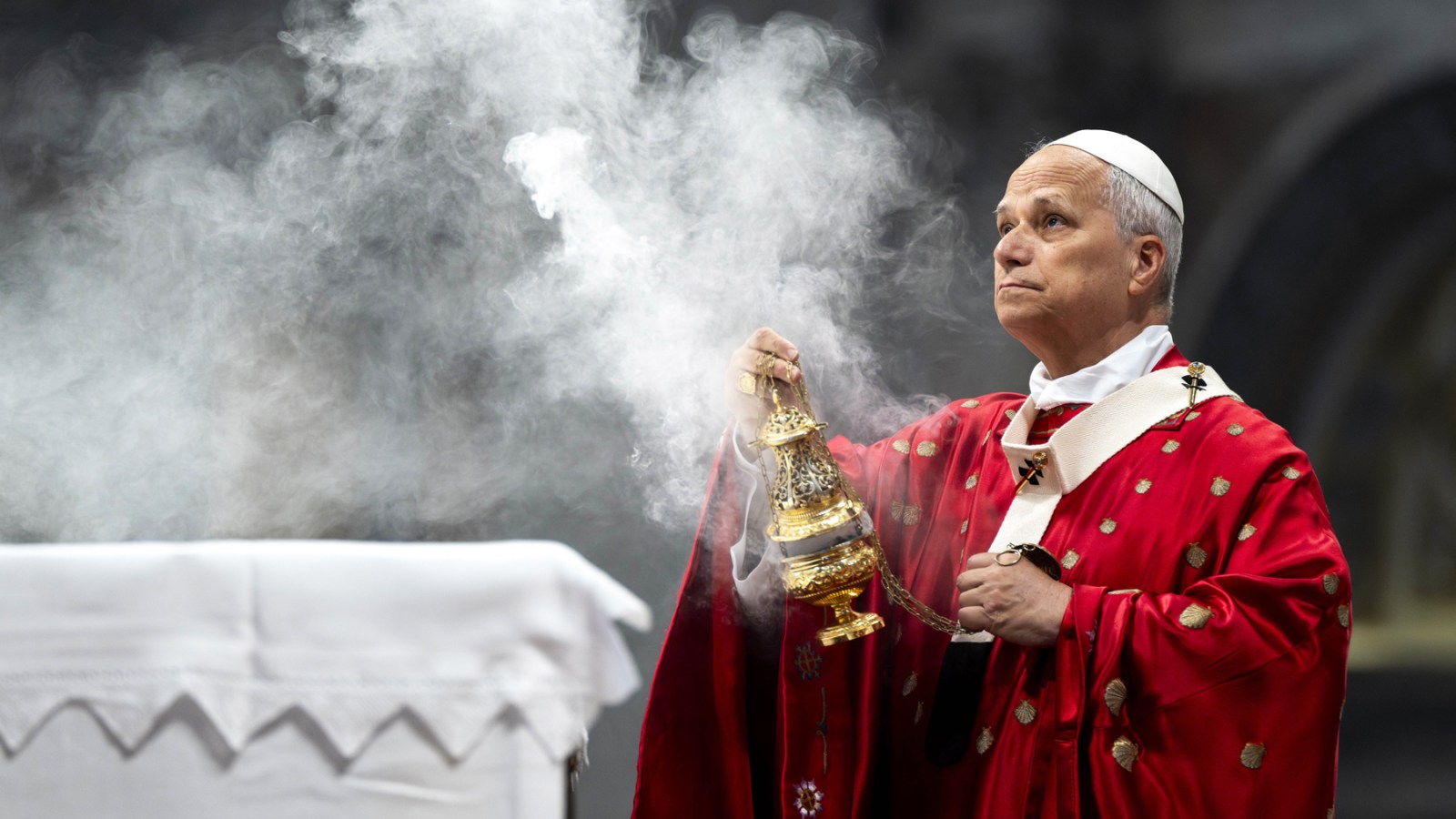
In a profoundly significant declaration that reverberates beyond the hallowed halls of the Vatican, the leader of the Catholic Church has formally articulated a cautionary stance on artificial intelligence. Through his inaugural encyclical, a crucial document outlining papal teachings on a specific subject, the Pope has characterized AI not merely as a technological marvel but as a potential “threat to humanity.” This pronouncement elevates the discourse surrounding AI from technical and economic spheres to a deeply moral and ethical plane, compelling a global reassessment of its rapid development and societal integration. The statement serves as a potent call to action for policymakers, developers, and everyday citizens alike, urging a critical examination of the trajectory of AI to ensure its alignment with human dignity and welfare.
The Vatican's Evolving Stance on Technology
The Catholic Church, often perceived as a bastion of tradition, has a long and complex history of engaging with scientific and technological advancements. From early theological debates surrounding Copernican heliocentrism to contemporary discussions on bioethics, the Vatican has consistently sought to interpret new knowledge through the lens of faith and human morality. In recent decades, particularly under the current pontificate, there has been a noticeable shift towards active engagement with emerging technologies. The Pope's declaration on AI is not an isolated event but rather a continuation of this evolving dialogue, reflecting a growing awareness within the Church of technology's pervasive influence on human life and societal structures. The Vatican has previously hosted conferences, established expert groups, and issued guidelines concerning various tech-related ethical dilemmas, signaling a concerted effort to contribute a spiritual and ethical perspective to these critical global conversations.
Deciphering the 'Threat to Humanity'
When the Pope refers to AI as a “threat to humanity,” it is crucial to understand the multifaceted nature of this concern. It transcends mere Luddite fear of machines and delves into profound philosophical and practical anxieties. The potential threats encompass a broad spectrum of issues, including widespread job displacement that could exacerbate social inequality, the proliferation of biased algorithms that perpetuate discrimination, the erosion of privacy through ubiquitous surveillance, and the development of autonomous weapons systems capable of making life-or-death decisions without human intervention. Furthermore, the Church's emphasis on human dignity raises questions about the dehumanizing potential of AI if not carefully managed, particularly concerning its impact on human relationships, creativity, and the very definition of human consciousness. The fear is not of technology itself, but of its unbridled development and deployment without adequate ethical frameworks and human-centric control mechanisms.
Ethical Imperatives and Human Dignity
Central to the Catholic Church's moral framework is the concept of human dignity, derived from the belief that every individual is created in the image of God. This principle dictates that technology should serve humanity, not the other way around. The Pope's encyclical likely underscores concerns that unchecked AI could undermine this fundamental dignity. For instance, algorithmic decision-making, if not transparent and accountable, can deny individuals agency and fair treatment. The potential for AI to influence human behavior, manipulate public opinion, or even diminish human intellectual capacities through over-reliance presents significant ethical challenges. The Vatican advocates for a form of AI development that respects human autonomy, fosters solidarity, and promotes justice, ensuring that technological progress genuinely enhances human flourishing rather than diminishing it.
The Call for Global Governance and Regulation
The Pope's intervention can also be interpreted as a powerful appeal for strengthened global governance and regulation of artificial intelligence. Given AI's borderless nature and its capacity to impact societies worldwide, a fragmented or absent regulatory landscape poses significant risks. The Vatican has historically championed international cooperation on issues of global concern, from peace and disarmament to climate change. In the context of AI, this translates into a call for multinational efforts to establish ethical guidelines, develop international treaties, and create oversight bodies that can ensure responsible innovation. Such a framework would aim to prevent a 'race to the bottom' where ethical considerations are sacrificed for competitive advantage, instead fostering a collaborative environment where shared human values guide technological advancement. This perspective aligns with a growing chorus of voices from academics, technologists, and world leaders who recognize the urgent need for a cohesive international strategy to manage AI's profound implications.
AI: A Double-Edged Sword of Innovation
It is important to note that the Pope's concerns are typically not a wholesale rejection of artificial intelligence. Rather, they represent a nuanced understanding of AI as a powerful tool with immense potential for both good and harm. On one hand, AI offers transformative solutions in areas like medical diagnostics, drug discovery, personalized education, and climate modeling. It can enhance efficiency, solve complex problems, and liberate humans from repetitive tasks, potentially creating new opportunities for creativity and leisure. The ethical debate surrounding AI is not about stopping progress but about guiding it responsibly. The Church acknowledges the inherent human drive to innovate and create, viewing it as a reflection of divine attributes. However, it simultaneously emphasizes that such innovation must always be tempered with wisdom, foresight, and a profound commitment to the common good. The true challenge lies in harnessing AI's benefits while rigorously mitigating its risks, ensuring that its development remains firmly anchored in ethical principles.
The Role of Faith and Ethics in the AI Age
In an era increasingly shaped by secular technological advancements, the Pope's encyclical underscores the vital role that faith traditions and ethical frameworks can play in shaping the future of AI. Religious institutions, with their millennia-old wisdom traditions concerning human nature, morality, and justice, offer a crucial counterpoint to purely utilitarian or economic considerations in AI development. They can provide a moral compass, advocating for the protection of the vulnerable, promoting inclusivity, and reminding humanity of its shared responsibilities. By engaging in this discourse, the Catholic Church seeks to contribute a distinctive voice that prioritizes integral human development and the flourishing of all people, ensuring that technological progress serves authentic human needs and values. This intervention highlights that the challenges posed by AI are not merely technical but deeply existential and ethical, requiring a holistic approach that integrates science, philosophy, and spirituality.
A Call for Conscience and Reflection
Ultimately, the Pope’s declaration is a profound call to conscience for everyone involved in the AI ecosystem – from researchers and engineers to policymakers and end-users. It urges a moment of collective reflection on the kind of future we are building with artificial intelligence. Are we creating technologies that enhance human freedom and dignity, or ones that inadvertently diminish them? Is progress being measured solely by efficiency and profit, or by its impact on human well-being and social justice? The encyclical serves as a moral framework, encouraging a vigilant, proactive, and ethically informed approach to AI, emphasizing that the decisions made today will profoundly shape the human experience for generations to come. It challenges the global community to move beyond mere technological capability and embrace a responsibility that matches the immense power of artificial intelligence.
The Pope's recent encyclical on artificial intelligence marks a pivotal moment in the global conversation surrounding this transformative technology. By framing AI as a potential threat to humanity if left unchecked, he has ignited a critical ethical dialogue that transcends technological circles and calls for universal accountability. This comprehensive overview demonstrates the multifaceted nature of the Vatican's concerns, from preserving human dignity to advocating for global ethical governance, while acknowledging AI's immense potential for good. As this complex debate unfolds, understanding the various perspectives and implications is paramount for shaping a future where AI truly serves the common good. For more in-depth analyses, ethical discussions, and the latest developments on technology's impact on society, continue browsing NAME OF SITE.
Fonte: https://www.rollingstone.com