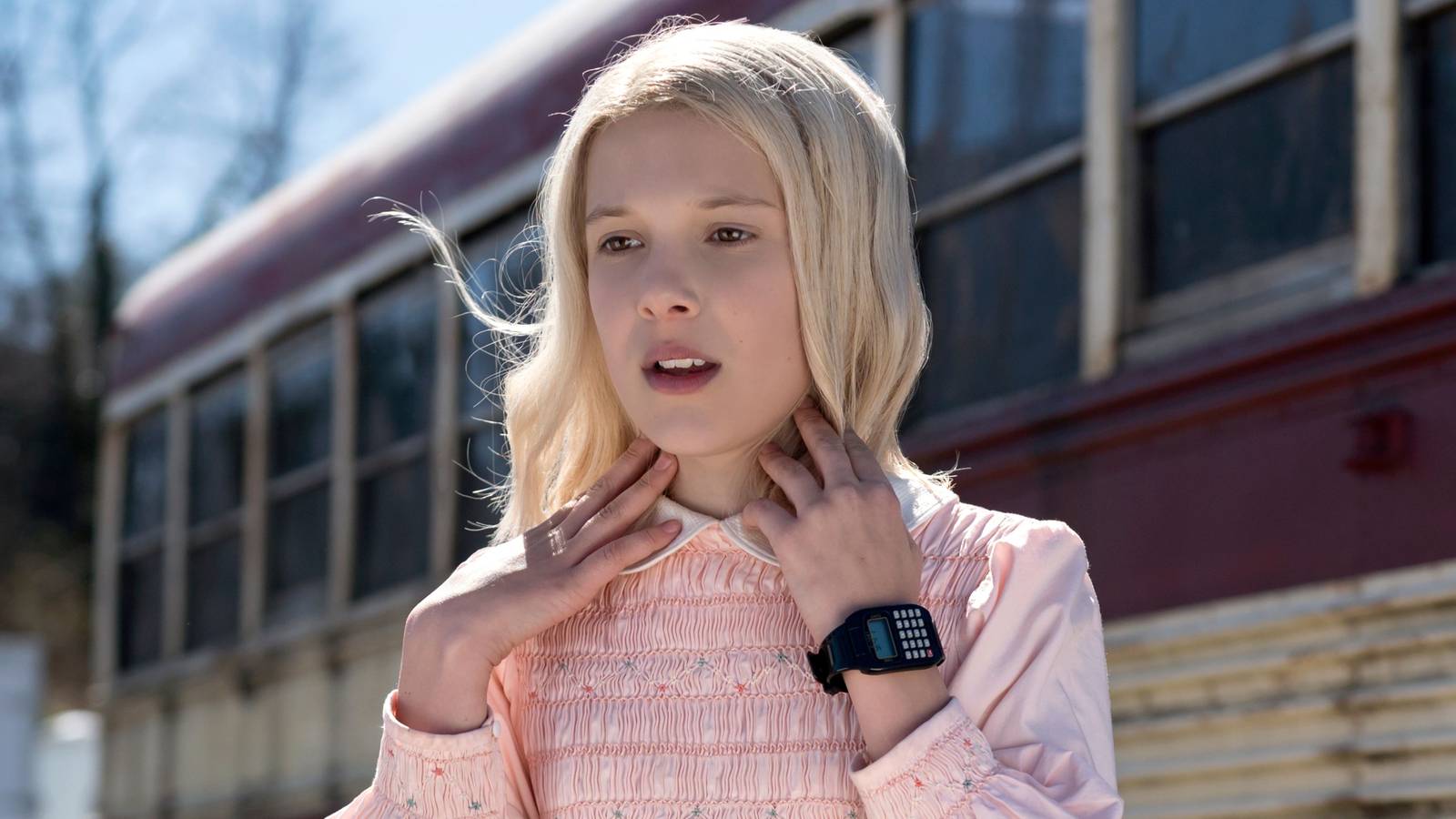
The *Stranger Things* franchise has transcended its humble beginnings as a nostalgic homage to 1980s adventure cinema, evolving into a global cultural behemoth. What started as a charming, smaller-scale narrative steeped in the comforting glow of Spielbergian suburban wonder and classic horror tropes has mushroomed into an expansive universe, complete with a critically acclaimed stage show, a burgeoning array of spin-offs, and a vast merchandising empire. This intricate world, centered around the enigmatic town of Hawkins, Indiana, and its chilling parallel dimension known as the Upside Down, consistently draws inspiration from both science fiction and horror while maintaining a unique identity. Yet, despite its sprawling growth and complex mythology, the core *Stranger Things* saga has adhered to a fundamental adventure narrative convention. Now, a groundbreaking new 8-part Netflix series is set to fundamentally challenge and reverse this long-standing rule, redefining the very essence of the franchise and pushing its boundaries into uncharted territory.
The Evolution of a Cultural Phenomenon
*Stranger Things* burst onto the scene in 2016, immediately captivating audiences with its pitch-perfect blend of 80s nostalgia, compelling characters, and genuinely terrifying supernatural elements. The Duffer Brothers meticulously crafted a world that felt both familiar and terrifyingly original, drawing on iconic films like *E.T. the Extra-Terrestrial*, *Stand By Me*, and the works of Stephen King. The initial seasons were celebrated for their character-driven storytelling, focusing on the unbreakable bonds of friendship among a group of middle schoolers battling an encroaching, unseen evil. This foundation quickly cemented its status as a must-watch series, growing organically from a beloved sleeper hit into a tentpole property for Netflix.
The series' immense popularity paved the way for significant expansion beyond the main storyline. The stage production, *Stranger Things: The First Shadow*, delves into the untold origins of key characters, offering a fresh perspective on the lore. Speculation and development of various spin-offs, including an animated series and potential live-action ventures exploring other facets of the universe, underscore the franchise's transformation. From comic books and video games to clothing lines and interactive experiences, *Stranger Things* has moved beyond mere entertainment, becoming a pervasive cultural force that continually offers new avenues for exploration and engagement, solidifying its status as a true juggernaut in the modern entertainment landscape.
Unpacking the 'Major Adventure Rule' of Stranger Things
At its heart, the original *Stranger Things* narrative thrives on a clearly defined 'major adventure rule': the battle of good versus evil, often personified by the heroic efforts of a core group of intrepid children and teenagers against the unambiguously malevolent forces of the Upside Down. The series establishes the Upside Down as an external, alien threat, a dimension of pure darkness and hostility that invades and corrupts the human world. The protagonists, particularly Eleven and her friends, are consistently portrayed as reactive heroes, defending their town and loved ones from an encroaching horror. This framework creates a narrative comfort zone where the primary conflict is clear, the stakes are high, and the audience can unequivocally root for the protagonists to overcome an identifiable antagonist.
This adventure rule dictates that humanity, specifically the residents of Hawkins, are victims of an otherworldly invasion, albeit with some government figures (like Dr. Brenner) attempting to exploit or control the threat. The narrative reinforces a conventional heroic arc where courage, friendship, and ingenuity ultimately prevail against overwhelming odds. While character complexities exist, the fundamental nature of the Upside Down and its denizens remains largely undiluted as a singular, destructive force, serving as a catalyst for the human heroes' growth and triumphs. This clear demarcation has been a cornerstone of the show's appeal, providing a reliable moral compass for its fantastical dangers.
The Game-Changer: Netflix's New 8-Part Series, 'Stranger Things: The Rift Chronicles'
The new 8-part Netflix series, tentatively titled *Stranger Things: The Rift Chronicles*, is poised to shatter this foundational narrative rule. Rather than continuing the tale of reactive heroism against an external evil, this spin-off is reported to delve into the far more morally ambiguous and historically complex origins of the Upside Down's intrusion into our reality. Sources indicate the series will explore clandestine government experiments and desperate scientific endeavors from decades past, long before the events in Hawkins, that didn't just stumble upon the Upside Down but actively provoked or even irrevocably *shaped* its malevolent presence in the human dimension. This pivotal shift posits that humanity itself, through hubris and unchecked ambition, may be the true architect of the very terror it now faces.
This exploration fundamentally reverses the established adventure rule. No longer are the residents of Earth merely innocent victims; instead, *The Rift Chronicles* suggests a narrative where human actions — driven by Cold War paranoia, the quest for power, or scientific desperation — were instrumental in tearing the fabric between dimensions and potentially molding the Upside Down into the predatory force it became. This perspective transforms the clear good-versus-evil dynamic into a complex ethical dilemma, challenging viewers to confront the uncomfortable truth that the monster might, in part, be a reflection of our own darkest impulses and catastrophic mistakes. It recontextualizes the entire mythology, turning the 'invasion' into a tragic consequence of human intervention rather than an unprovoked attack.
A Deeper Dive into the 'Upside Down' Narrative
By shifting the focus to human culpability, *The Rift Chronicles* promises to offer an unprecedented depth to the Upside Down's lore. Instead of simply being an evil parallel dimension, the new series could reveal it as a corrupted reflection, a dimension scarred or activated by human folly. This could involve exploring ancient prophecies, forgotten government projects, or even a different kind of interdimensional travel that had unforeseen and catastrophic repercussions. Such a narrative expansion would move beyond the established 'gate' concept, suggesting a more organic, perhaps even symbiotic, albeit destructive, relationship between our world and the Upside Down, deepening its mystery while simultaneously attributing its current state to a more tragic, human-centric origin.
Challenging the Heroic Archetype
This thematic reversal naturally extends to the characters themselves. Unlike the clear-cut heroes of Hawkins, the protagonists in *The Rift Chronicles* are likely to be morally compromised individuals: ambitious scientists, ruthless military officers, or desperate civilians entangled in experiments far beyond their control. Their actions, though perhaps initially driven by patriotism or scientific curiosity, inadvertently lead to profound horror, challenging the very notion of heroism within this universe. The series could explore the blurred lines between perpetrator and victim, asking difficult questions about responsibility and the long-term consequences of short-sighted human ambition, thereby offering a darker, more nuanced perspective on the struggle against the Upside Down.
Implications for the Future of the Stranger Things Universe
The implications of *The Rift Chronicles* for the broader *Stranger Things* universe are profound. By reframing the origins and nature of the Upside Down, the series will undoubtedly cast a new light on all previous and future narratives. Events in the original series, such as the opening of the gate or the existence of creatures like the Demogorgon and the Mind Flayer, could be reinterpreted as consequences of these earlier, human-initiated breaches. This expansion doesn't merely add another chapter; it retroactively enriches the entire saga, providing a deeper, more tragic context for the struggles faced by Eleven and her friends. It transforms the franchise from a contained supernatural adventure into a sprawling, multi-generational epic dealing with the grave repercussions of humanity's engagement with the unknown.
This bold narrative move signals a significant evolution for the *Stranger Things* brand, demonstrating its capacity to explore complex themes beyond its initial nostalgic appeal. It allows the universe to mature, offering sophisticated philosophical questions about free will, scientific ethics, and collective responsibility. Future spin-offs and even potential continuations of the main story (should they arise) will benefit from this expanded, more morally intricate lore, ensuring the franchise remains fresh, compelling, and relevant. *The Rift Chronicles* is set to be more than just a companion piece; it's a foundational retuning that will redefine how we perceive the Upside Down and humanity's place within its terrifying reach.
As the *Stranger Things* universe continues to expand and deepen its lore, we invite you to explore more of our in-depth analyses, exclusive interviews, and breaking news. Don't miss out on the latest updates and theories shaping your favorite stories by continuing to browse NAME OF SITE today.
Fonte: https://screenrant.com