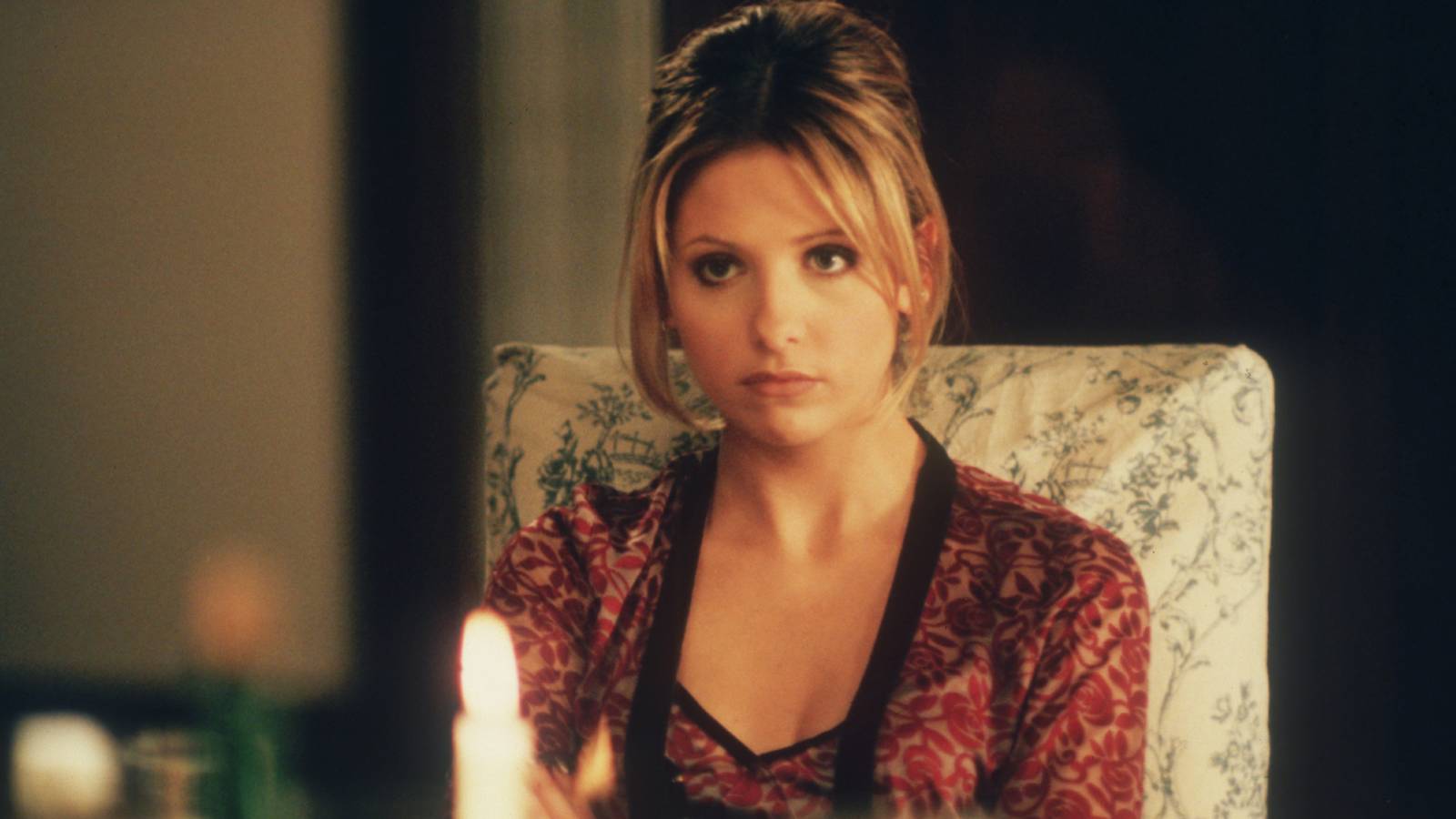
For devoted followers of the iconic supernatural drama, <i>Buffy the Vampire Slayer</i>, recent times have been a tumultuous rollercoaster of hope and despair. After years of fervent anticipation and a development cycle that seemed to inch closer to fruition, the much-discussed revival series at Hulu has officially been canceled. This sudden reversal leaves fans once again in a state of uncertainty, marking a significant setback for those eager to see the beloved Slayerverse return to screens with new stories.
The Enduring Legacy of a Cultural Phenomenon
To understand the weight of this cancellation, one must first appreciate the profound impact of the original <i>Buffy the Vampire Slayer</i>. Created by Joss Whedon, the series originally aired from 1997 to 2003, spanning seven seasons across The WB and UPN networks. Starring Sarah Michelle Gellar as Buffy Summers, a young woman chosen by fate to battle vampires, demons, and the forces of darkness, the show transcended its genre to become a cultural touchstone. It was lauded for its sharp writing, complex characters, innovative storytelling, and groundbreaking use of metaphor to explore the challenges of adolescence and young adulthood. Beyond its monster-of-the-week format, <i>Buffy</i> tackled themes of identity, love, loss, responsibility, and female empowerment with an unprecedented depth that resonated deeply with millions of viewers. Its influence is still visible in countless contemporary series featuring strong female protagonists and nuanced supernatural narratives, cementing its place in television history.
The Long Road to Revival: Hopes and Hurdles
Speculation about a potential <i>Buffy</i> revival began almost immediately after the original series concluded, fueled by its loyal fanbase and the enduring popularity of its characters. However, concrete plans only began to materialize around 2018. It was announced that a new iteration was in development, spearheaded by showrunner Monica Owusu-Breen, known for her work on shows like <i>Midnight, Texas</i> and <i>Agents of S.H.I.E.L.D.</i>. Original creator Joss Whedon was initially attached as an executive producer, though his involvement diminished over time, particularly following public accusations of misconduct by former cast members. The premise reportedly centered on a new Slayer, potentially a woman of color, broadening the universe while honoring the original's mythology.
The project quickly found a home at Hulu, a streaming service eager to leverage established intellectual properties. The prospect of a modern <i>Buffy</i>, with its allegories recontextualized for a new generation, sparked immense excitement. Fans debated potential cast members, plotlines, and how a revival could both satisfy nostalgia and push the narrative forward. Reports even indicated that a pilot had been filmed, signaling that the series was on the cusp of production. This level of development, including the shooting of a foundational episode, usually signifies a strong commitment from the network and production studio, making the subsequent cancellation even more perplexing.
Behind the Scenes: Unpacking Hulu's Decision
While Hulu has not provided an official detailed explanation for axing the <i>Buffy</i> revival, several factors likely contributed to the eleventh-hour decision. One significant element could be the ever-shifting landscape of streaming economics. With platforms increasingly scrutinizing budgets and focusing on content that guarantees substantial subscriber growth, high-profile reboots, especially those with complex legacy considerations, face intense pressure to deliver. The cost of producing a supernatural drama with special effects, combined with the potential for an expensive ensemble cast, might have become a hurdle. In an era where streaming services are consolidating content and re-evaluating their strategies, even a beloved brand like <i>Buffy</i> is not immune to cancellation.
Another undeniable factor revolves around the controversies surrounding Joss Whedon. In recent years, several actors from his past projects, including Charisma Carpenter and Ray Fisher, have come forward with allegations of abusive and unprofessional behavior on set. While Monica Owusu-Breen was positioned as the primary creative voice for the revival, the shadow of these accusations undeniably complicated the franchise's public image. Marketing a new *Buffy* series, even one designed to move beyond Whedon's direct creative control, would invariably involve navigating these difficult conversations, potentially impacting audience reception and critical goodwill. Disney, as the parent company of Hulu and owner of the 20th Television library, is highly protective of its brand image and might have deemed the project too risky in the current climate.
Furthermore, creative differences, though unconfirmed, often play a role in such decisions. The challenge of creating a revival that appeals to both original fans and new audiences is formidable. Balancing established lore with fresh perspectives, particularly when introducing a new protagonist, can lead to internal debates about tone, direction, and character arcs that ultimately prove irreconcilable between creatives and executives. The desire to capture the magic of the original without merely rehashing it is a delicate tightrope walk, and perhaps the envisioned direction did not align with Hulu's strategic vision.
What Lies Ahead for the Slayerverse?
The cancellation of this particular Hulu project does not necessarily signal the absolute end for the *Buffy* franchise. The intellectual property remains immensely valuable, evidenced by its continuous presence in comic books, novels, and merchandise. With Disney now owning the rights through its acquisition of 20th Century Fox Television, the potential for future revivals or spin-offs under a different creative team or on another platform still exists. The enduring passion of the fanbase and the timeless themes explored within the Slayerverse ensure that the concept of a chosen hero battling evil will always hold appeal. It is entirely plausible that, after a period of re-evaluation, Disney might explore alternative approaches to bringing *Buffy* back to screens, perhaps as an animated series, a feature film, or an entirely new streaming project with a fresh creative vision and clearer direction.
For now, fans are left to mourn the loss of what seemed like a definitive return. The beloved characters and their adventures will continue to live on in reruns, graphic novels, and the collective memory of a generation that found solace and strength in the fight against literal and metaphorical monsters. The axing of the Hulu revival serves as a stark reminder of the volatile nature of content production in the streaming era, where even the most anticipated projects can fall victim to changing priorities and complex industry dynamics.
The cancellation of the Buffy revival at Hulu marks a disappointing chapter for fans, yet the legacy and potential of the Slayerverse remain undimmed. As we navigate the ever-evolving world of television and streaming, stories like Buffy’s continue to captivate and inspire. Don't miss out on more in-depth analyses of your favorite shows, exclusive news, and comprehensive entertainment coverage. Keep exploring NAME OF SITE for all the latest updates and discussions shaping the pop culture landscape!
Fonte: https://screenrant.com