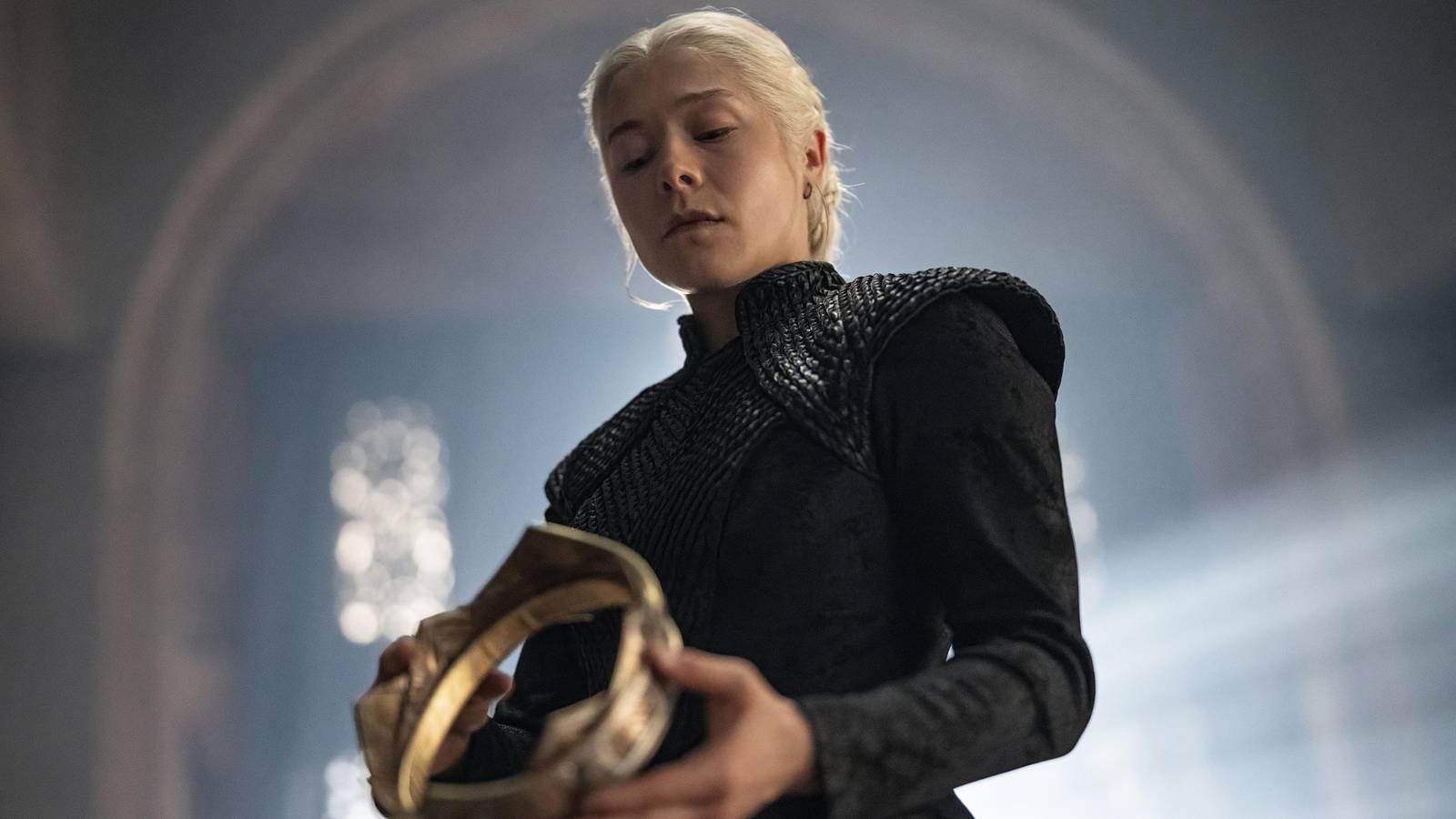
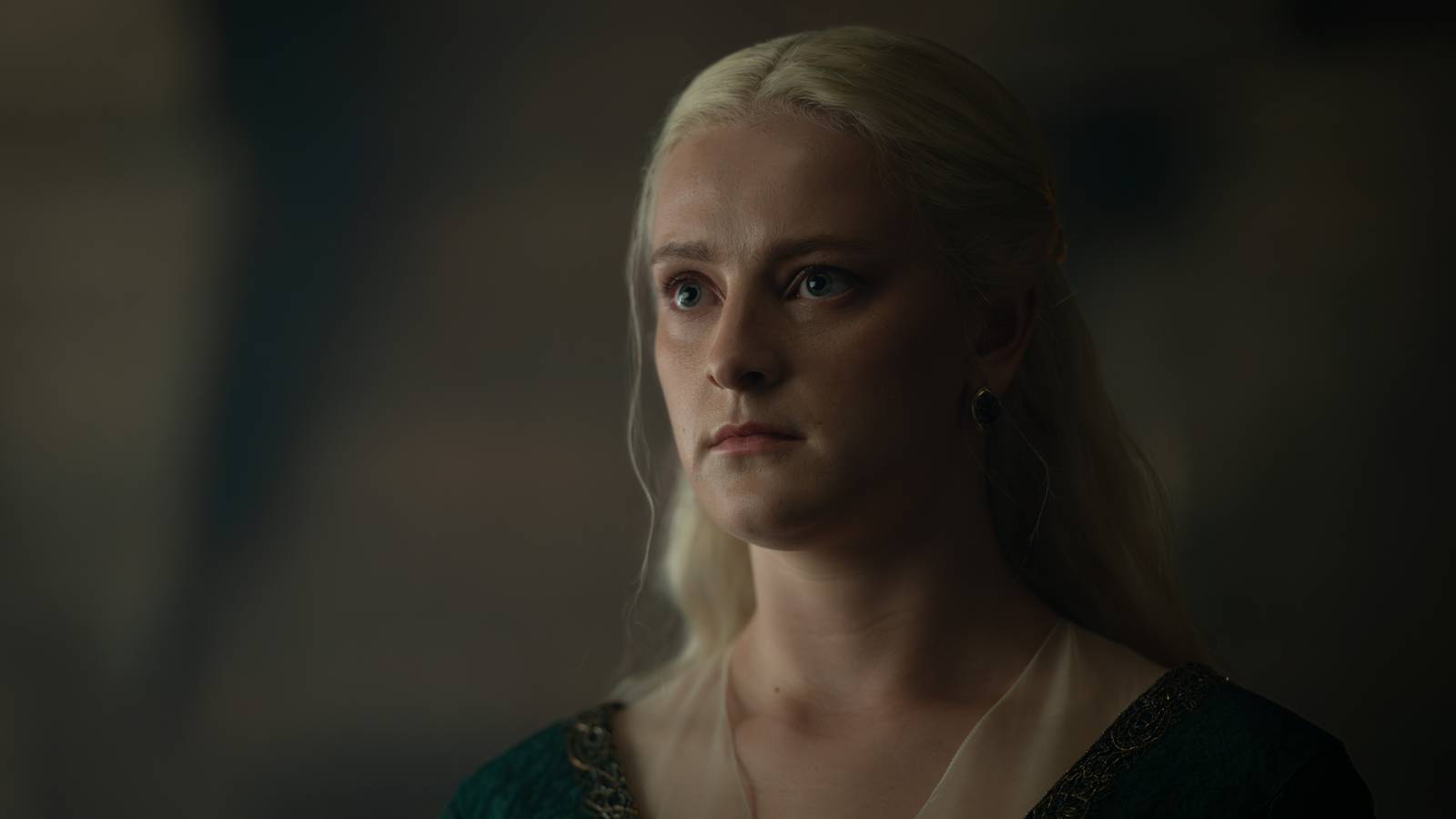
The world of Westeros, meticulously crafted by George R.R. Martin, has once again captured global attention with HBO's hit series, <i>House of the Dragon</i>. Yet, beneath the enthralling drama and political intrigue, a significant creative tension has emerged: the author's preference for strict adherence to his canonical texts versus the showrunner's adaptive vision. Martin has openly voiced his critical stance regarding substantial alterations to his lore, advocating for the sanctity of the source material. Conversely, Ryan Condal, the series' showrunner, has consistently defended his creative adjustments, asserting their necessity for a compelling on-screen narrative. While many devout book fans historically align with Martin's purist perspective, the recent developments, particularly in what viewers anticipate from <i>House of the Dragon</i>'s third season premiere, present a compelling argument for Condal's adaptive strategy, demonstrating that some deviations are not just justified but are actively enriching the storytelling.
The Sacred Text Versus the Screen Adaptation Imperative
George R.R. Martin's dedication to his fictional universe is legendary. For an author who has spent decades building the intricate history, genealogies, and political landscapes of Westeros, the desire to see his work translated with absolute fidelity is understandable. His perspective often stems from the belief that significant canon changes risk undermining the integrity of his carefully constructed world, potentially alienating long-time readers who cherish the nuances of his books, such as <i>Fire & Blood</i>. For Martin, the written word is paramount, and every detail serves a purpose within his grand narrative tapestry.
However, the transition from page to screen is rarely a direct copy. A television series, especially one of <i>House of the Dragon</i>'s scale and ambition, operates under different constraints and opportunities. Showrunners like Ryan Condal face the challenge of condensing vast literary narratives, adapting internal monologues into visual storytelling, managing production budgets, and ensuring pacing that keeps a diverse global audience engaged week after week. These realities often necessitate creative liberties, leading to alterations in character arcs, streamlined plotlines, or even the invention of new scenes to enhance dramatic impact or clarify complex motivations that might be easier to convey in prose.
Navigating the Complexities of Literary Adaptation
The process of adapting a beloved book series into a visual medium is fraught with inherent difficulties. Literary works often delve deep into character psychology through internal monologues, expansive descriptions, and detailed backstories that are challenging to convey purely through dialogue and action on screen. Timelines might need to be condensed or expanded, minor characters might be merged or eliminated to simplify the narrative, and certain plot points might require resequencing for television's episodic structure. These decisions are not made lightly; they are typically the result of extensive creative discussions aimed at translating the *spirit* of the story while optimizing it for a new format.
Lessons from Past Adaptations
History offers numerous examples of how adaptations have grappled with canonical fidelity. Peter Jackson's <i>The Lord of the Rings</i> trilogy, while lauded for its faithfulness, still made strategic cuts and additions to fit J.R.R. Tolkien's epic into a cinematic structure. Conversely, later seasons of HBO's original <i>Game of Thrones</i> deviated significantly from Martin's unfinished source material, leading to a polarized reception among fans. These precedents highlight a critical lesson: the success of an adaptation often hinges not on absolute fidelity, but on the *wisdom* of its changes. When alterations serve to enhance storytelling, deepen character, or provide greater narrative clarity for a broader audience, they are often embraced, even by initial skeptics.
<i>House of the Dragon</i>'s Calculated Deviations and Their Impact
<i>House of the Dragon</i> has, from its inception, demonstrated a willingness to make calculated departures from <i>Fire & Blood</i>. These aren't arbitrary changes but are often implemented with specific goals: to provide more depth to female characters whose internal lives are less explored in Martin's historical account, to streamline timelines for better narrative flow, or to amplify the emotional stakes of key relationships. Such deliberate choices reflect a keen understanding of what makes for compelling television drama, focusing on character motivation and emotional resonance over strict historical recounting.
The Rationale Behind Story Adjustments
The rationale behind these story adjustments often lies in maximizing the dramatic potential of the narrative. For example, a character's ambiguous motivations in the book might be made clearer or more sympathetic on screen to foster audience connection. Plot threads that are spread across many pages and years in the source material might be condensed into a more focused and immediate conflict for the show. These changes aim to enhance the viewing experience by making the story more accessible, emotionally impactful, and dramatically coherent for an audience that may or may not have read the extensive historical chronicles.
Season 3, Episode 1: A Case Study in Success
The anticipation surrounding <i>House of the Dragon</i>'s third season premiere (Season 3, Episode 1) provides a pivotal moment in this ongoing debate. Without delving into explicit plot spoilers, early reactions and critical assessments suggest that particular canonical changes introduced in this episode are proving to be exceptionally effective. These adjustments appear to deepen character arcs, elevate dramatic tension, and provide a fresh perspective on pivotal events, offering unexpected emotional weight or strategic advantages to the narrative. Rather than feeling like a betrayal of the source, these deviations are being heralded as enhancing the overall quality and impact of the storytelling, making the series more engaging for both seasoned book readers and new viewers alike. This episode exemplifies how intelligent adaptation can not only respect the core themes of the original material but also amplify its dramatic potential for the screen, ultimately serving the story's greatest strengths.
The Audience and the Evolution of Fandom
The debate over canonical changes also reflects the evolving nature of fandom. While purists remain staunch advocates for unwavering fidelity, a growing segment of the audience appreciates thoughtful adaptations that leverage the strengths of the new medium. Modern fandom is increasingly dynamic, with discussions often focusing on how changes enhance or detract from the narrative experience, rather than simply whether they occurred. This nuanced engagement allows for a richer discourse around the art of adaptation itself.
Moreover, judicious changes can broaden a show's appeal beyond its existing literary fanbase. By making complex narratives more streamlined or emotionally accessible, adaptations can attract new viewers who might otherwise be intimidated by dense source material. This expansion of the audience base is crucial for the long-term success and cultural impact of any major television production, ensuring that the rich worlds created by authors like George R.R. Martin continue to captivate new generations.
The Future of Storytelling: Balancing Vision and Adaptation
Ultimately, the discussion surrounding <i>House of the Dragon</i>'s canon changes underscores the complex, often delicate, balance required in adapting beloved literary works. While the author's vision remains foundational, the creative team behind a screen adaptation must also interpret, synthesize, and sometimes re-envision elements to succeed in a distinct artistic medium. The apparent success of the changes introduced in the latest episode serves as a powerful testament to Ryan Condal's creative direction, suggesting that when executed thoughtfully, departures from the source material can indeed pay off, enriching the narrative and strengthening the overall impact of a story for a global audience. This approach doesn't diminish the original text but rather offers a vibrant, new interpretation, demonstrating that flexibility can be a virtue in the art of storytelling.
Dive deeper into the world of Westeros and beyond with more exclusive content, analyses, and breaking news. Explore our comprehensive reviews and insightful articles by continuing to browse NAME OF SITE today, and never miss an update on your favorite shows and literary universes!
Fonte: https://screenrant.com