In the burgeoning landscape of prestige television, certain creators stand out not just for their output but for their distinctive artistic voice. Hiro Murai, a name synonymous with critically acclaimed projects ranging from the surreal comedy of "Atlanta" to the groundbreaking music video for Childish Gambino’s "This Is America," has once again captivated audiences with his latest directorial and executive producing venture, "Widow's Bay." As the architect behind five pivotal episodes, including the highly anticipated season finale, Murai offers an unparalleled glimpse into the intricate layers that define the show's inaugural season. His recent insights shed light on the carefully woven tapestry of horror influences, the personal significance of a particular scene, and the profound, often understated, role of its central character, Patricia, whom he affectionately describes as "the secret heart of the show."
Unpacking the Visionary Behind 'Widow's Bay'
Hiro Murai's involvement in "Widow's Bay" extends far beyond the director's chair; as an executive producer, he played a crucial role in shaping the series from its conceptual stages through to its final cut. This dual responsibility allowed him to instill a cohesive vision across the entire season, particularly in crafting the narrative arc and aesthetic consistency. Executive producers are often instrumental in securing funding, overseeing creative direction, and making critical decisions that guide a show's development, ensuring its tone and themes remain aligned with the creators' initial intent. Murai’s reputation for blending unsettling visuals with sharp social commentary made him a natural fit for a series delving into the complexities of horror and human nature.
Directing five episodes, especially the season finale, afforded Murai a unique opportunity to directly translate his vision into compelling on-screen storytelling. The finale, in particular, carries immense narrative weight, responsible for resolving immediate conflicts while often setting the stage for future seasons. Murai’s expertise in crafting suspenseful, atmospheric sequences and his profound understanding of character psychology were vital in delivering an ending that resonated deeply with viewers, leaving them contemplating the moral ambiguities and lingering questions posed throughout the season. His precise control over pacing, cinematography, and performance ensured that each episode under his direction contributed meaningfully to the overarching narrative and emotional impact.
Deconstructing the Horror Tapestry of Season 1
"Widow's Bay" distinguishes itself within the horror genre by eschewing cheap jump scares in favor of a more insidious, psychological dread. The series meticulously constructs an atmosphere of unease, drawing viewers into a world where the line between reality and hallucination blurs, and the true monsters are often reflections of internal turmoil or societal decay. This sophisticated approach to horror is a hallmark of Murai's work, prioritizing thematic depth and character-driven tension over conventional fright tactics. By grounding its supernatural elements in human experience, "Widow's Bay" transforms its horror into a potent commentary on grief, isolation, and the unexamined fears that reside within us all.
Echoes of the Macabre: Key Horror References
During his deep dive into Season 1, Murai acknowledged the rich cinematic lineage that influenced "Widow's Bay." While he refrains from explicit name-dropping to avoid spoilers or limiting interpretations, he hints at a blend of classic psychological thrillers and modern existential horror. One can infer influences from films that master slow-burn tension, unreliable narrators, and the unsettling banality of evil. Think less of creature features and more of the quiet dread found in works like "Rosemary's Baby" or the pervasive sense of unease in "The Babadook," where the horror is deeply personal and internal, rather than purely external. The show's use of unsettling soundscapes, claustrophobic framing, and a pervasive sense of isolation further cements its ties to a lineage of art-house horror that prioritizes mood and character disintegration.
Murai's genius lies in his ability to absorb these diverse influences and recontextualize them, creating something fresh and distinct rather than merely derivative. He doesn't just reference; he synthesizes, using these established tropes as a foundation upon which to build new anxieties. This approach allows "Widow's Bay" to engage with horror aficionados on a deeper level, as they recognize the subtle nods, while remaining accessible and terrifying for a broader audience. The interplay between genre conventions and innovative storytelling creates a viewing experience that is both familiar in its dread and surprising in its execution, solidifying the show's place in contemporary horror discourse.
Patricia: The Unseen Anchor of 'Widow's Bay'
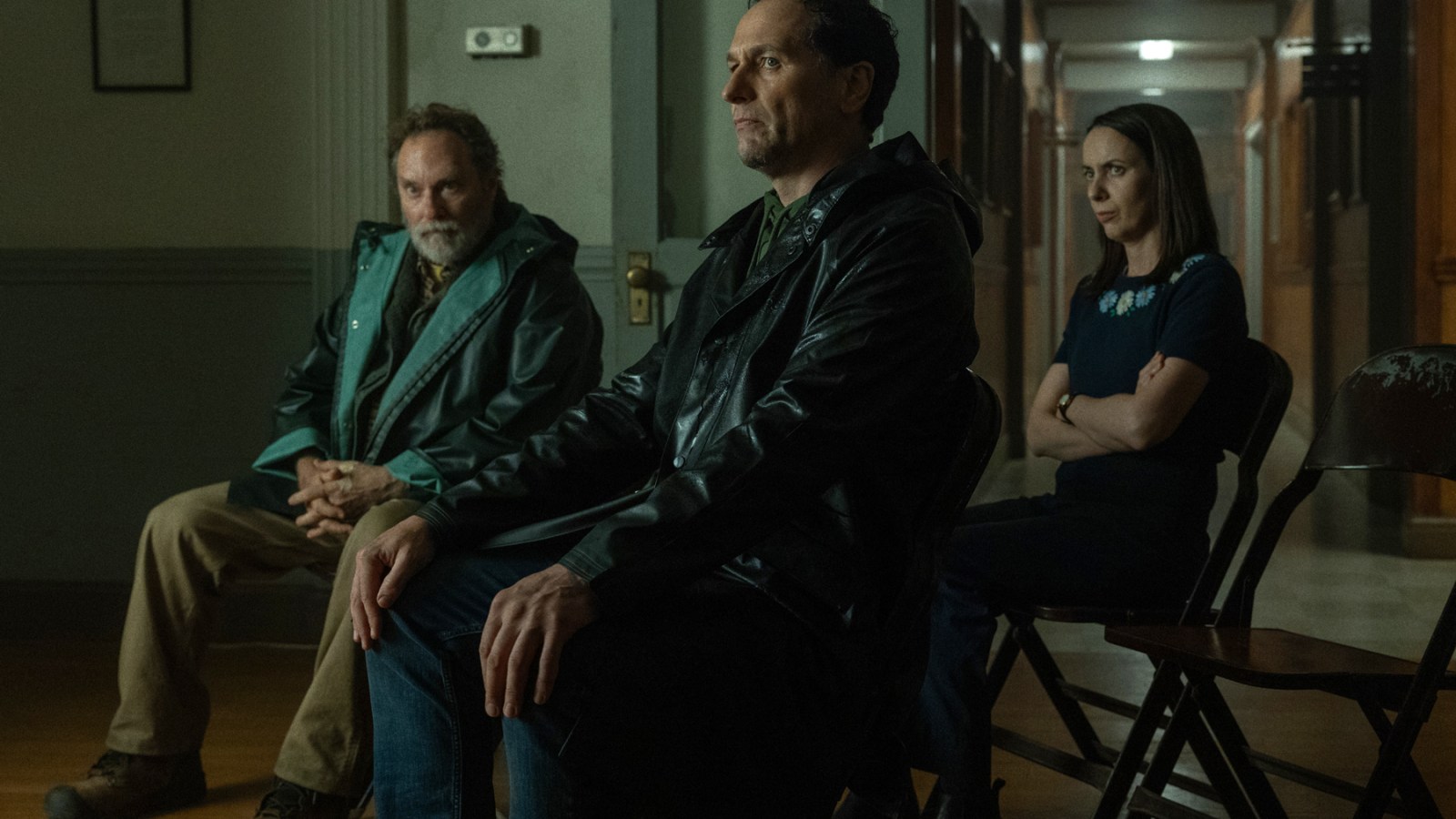
Central to the emotional resonance of "Widow's Bay" is the character of Patricia, whom Hiro Murai identifies as "the secret heart of the show." Patricia isn't necessarily the most outwardly heroic or the one driving the plot with overt actions; rather, her significance stems from her profound emotional depth and the internal struggles she embodies. She serves as a thematic anchor, representing the human capacity for resilience, vulnerability, and the intricate ways individuals cope with trauma and the unknown. Her journey throughout Season 1 is often one of quiet observation and internal processing, making her reactions and perspectives a crucial lens through which the audience experiences the series' unsettling events.
Patricia’s arc is subtly woven into the fabric of the narrative, her growth and emotional state mirroring the escalating tension and revelations of the plot. Murai’s emphasis on her character suggests a deliberate choice to explore the psychological toll of the show’s horrors through a deeply empathetic figure. She becomes a symbol of the viewer's own humanity amidst the chaos, her internal world reflecting the very questions and fears the series aims to evoke. Her quiet strength and unwavering, albeit sometimes hidden, sense of morality provide a grounding force, preventing the show from devolving into mere spectacle and reinforcing its commitment to exploring the human condition.
A Director's Perspective: Murai's Favorite Scene
Among the myriad moments Murai helmed, one scene stands out as his personal favorite, a testament to its narrative power and artistic execution. While specific details remain under wraps to preserve the element of discovery for new viewers, Murai alludes to a sequence that masterfully distills the show's core themes. This scene, he explains, isn't necessarily the most action-packed or overtly terrifying; instead, it likely achieves its impact through a confluence of compelling performances, evocative cinematography, and a profound emotional beat. It's a moment that captures the essence of "Widow's Bay" – perhaps a quiet, haunting revelation or a profound character interaction that shifts the audience's understanding of the series' central mystery or relationships.
Murai's preference for this particular scene underscores his dedication to character and thematic depth. It suggests a moment where the internal world of the characters, especially Patricia, aligns perfectly with the external horror, creating a synergistic effect that elevates the storytelling. Such a scene typically requires immense precision in directing, from guiding the actors to achieve specific emotional nuances to orchestrating the visual and aural elements to maximize their psychological impact. It’s a moment designed to linger, prompting reflection and deepening the viewer’s engagement with the intricate narrative and its underlying messages.
Crafting Depth and Impact: Murai's Approach to Storytelling
Hiro Murai's directorial philosophy is characterized by a commitment to unconventional storytelling and a willingness to explore uncomfortable truths. He expertly navigates the fine line between the literal and the metaphorical, allowing "Widow's Bay" to function as both a gripping horror narrative and a layered commentary on broader societal anxieties. His signature style often involves long takes, deliberate pacing, and a meticulous attention to production design and sound, all of which contribute to an immersive and often disorienting experience. He challenges viewers to actively participate in the interpretation of events, rather than passively consuming a straightforward plot.
This approach is evident in how Murai balances the visceral elements of horror with profound character development. He understands that true fear often stems from empathy and connection to the characters, making their struggles and vulnerabilities central to the show's effectiveness. By focusing on Patricia as the "secret heart," he demonstrates a belief that emotional resonance is paramount, even within a genre traditionally associated with external scares. His work on "Widow's Bay" reinforces his reputation as a filmmaker who pushes boundaries, crafting narratives that are not only entertaining but also intellectually stimulating and emotionally resonant, leaving a lasting impression long after the credits roll.
The insights provided by Hiro Murai offer a vital key to understanding the profound depths of "Widow's Bay" Season 1. From the nuanced integration of horror references to the pivotal, understated role of Patricia, his vision has shaped a series that transcends conventional genre boundaries. Murai’s meticulous craftsmanship as both an executive producer and a director has imbued the show with a distinctive voice, making it a compelling exploration of fear, humanity, and the stories we tell ourselves to cope with the unknown. His reflections underscore the thoughtful artistic choices that elevate "Widow's Bay" into a significant contribution to contemporary television, leaving an indelible mark on its audience.
Dive deeper into the world of sophisticated storytelling and cinematic artistry. Explore more exclusive interviews, behind-the-scenes content, and in-depth analyses of your favorite shows and films. Visit [NAME OF SITE] for unparalleled insights and to discover your next must-watch series.
Fonte: https://www.rollingstone.com