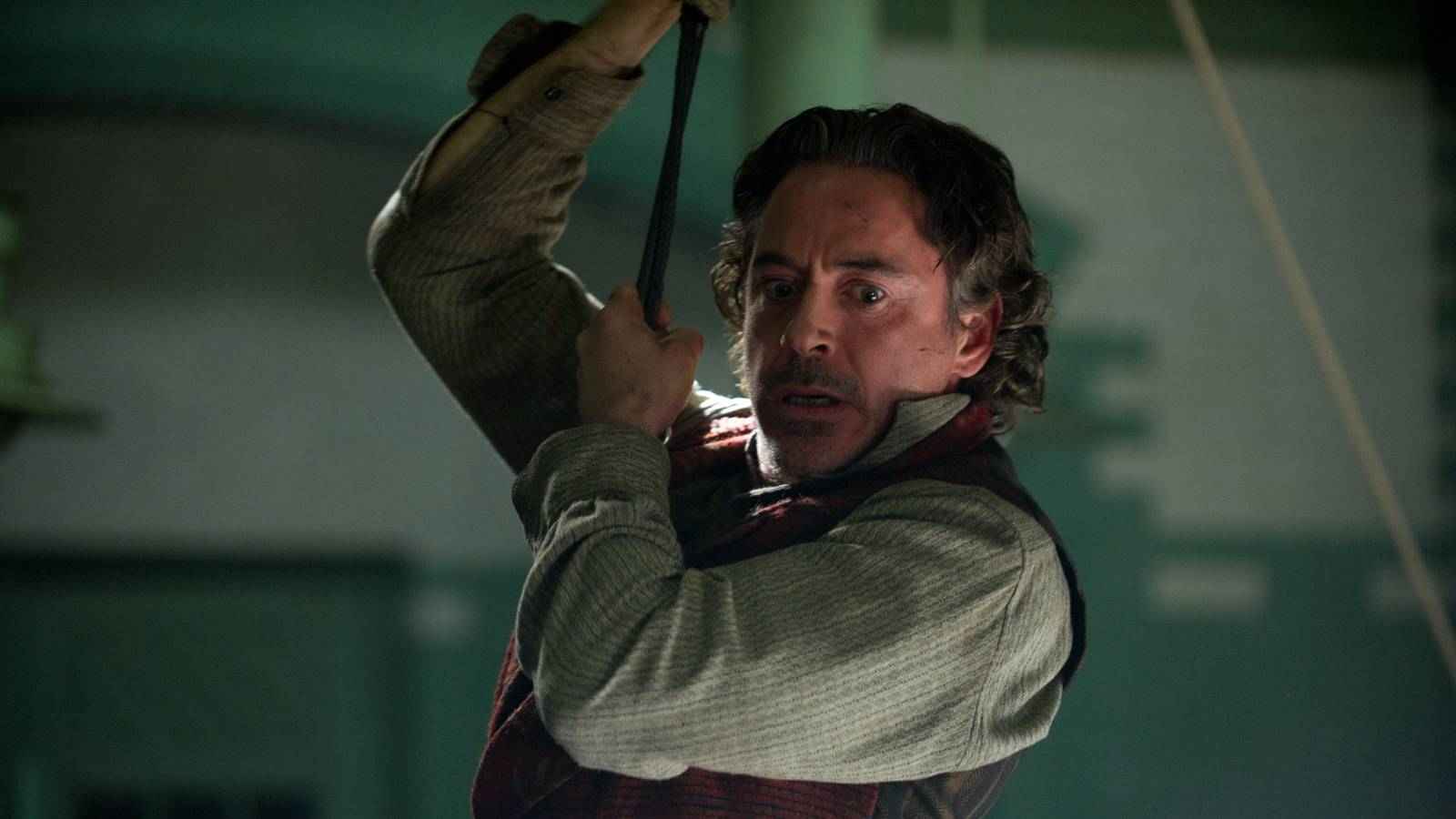
The highly anticipated return of director Guy Ritchie's distinctive take on Sherlock Holmes has sent ripples of excitement across the global entertainment landscape. Known for his kinetic filmmaking style and unique narrative flair, Ritchie breathed new life into Arthur Conan Doyle's legendary detective with his 2009 film, <b>Sherlock Holmes</b>, and its 2011 sequel, <b>Sherlock Holmes: A Game of Shadows</b>. These productions carved out a truly curious and enduring niche within popular culture, distinguishing themselves from countless other adaptations and creating a vibrant, action-packed universe for the iconic British sleuth that resonated deeply with a new generation of fans while captivating long-time enthusiasts.
Redefining the Detective: Ritchie's Vision
Before Ritchie's foray into Victorian London, many cinematic and television interpretations of Sherlock Holmes leaned heavily into the cerebral, often presenting the detective as a stoic, contemplative figure. While brilliant, these portrayals sometimes overlooked the physical prowess and often eccentric personality details hinted at in Doyle's original stories. Guy Ritchie, however, brought a refreshingly robust and unexpectedly modern sensibility to the character. His films painted Holmes not just as a master of deduction, but also as a skilled pugilist, an expert in disguise, and a man prone to unpredictable bursts of energy and idiosyncratic behaviors, often bordering on social ineptitude. This bold reimagining, coupled with a grittier, more stylized depiction of 19th-century London, immediately set his films apart.
The Unforgettable Dynamic Duo
At the heart of Ritchie's success was the inspired casting of Robert Downey Jr. as Sherlock Holmes and Jude Law as Dr. John Watson. Downey Jr., fresh off his resurgence with the Marvel Cinematic Universe, infused Holmes with a captivating blend of genius, vulnerability, and a mischievous charm that made the character incredibly accessible and engaging. His rapid-fire delivery and physical comedy were perfectly complemented by Law's grounding portrayal of Watson, who was elevated beyond a mere sidekick to become a formidable, intelligent, and often exasperated partner. Their on-screen chemistry was palpable, forming the bedrock of the films' appeal and providing much of their humor and emotional depth. The dynamic between Holmes' chaotic brilliance and Watson's grounded rationality created a compelling narrative engine that propelled both mysteries and character development forward.
Beyond the central performances, Ritchie's signature directorial style—characterized by fast-paced editing, slow-motion sequences illustrating Holmes' deductions, and a distinctive visual palette—transformed the conventional detective story into a high-octane adventure. The fight choreography was particularly innovative, showcasing Holmes' methodical approach to combat through detailed, almost scientific, breakdowns of his moves. This artistic choice not only entertained but also cleverly reinforced the detective's unparalleled analytical mind, even in the midst of a brawl. The films were not just mysteries to be solved; they were immersive experiences that plunged audiences into a vibrant, dangerous, and utterly captivating Victorian underworld.
A Decade of Anticipation: The Road to Return
Following the critical and commercial success of <i>Sherlock Holmes</i> and <i>Sherlock Holmes: A Game of Shadows</i>, which collectively grossed over $1 billion worldwide, fans eagerly awaited a third installment. However, the path to its return has been a long and winding one. Several factors contributed to the protracted hiatus, most notably the demanding schedules of its lead actors. Robert Downey Jr.'s commitments as Iron Man for Marvel Studios occupied a significant portion of his career for nearly a decade, making it challenging to align schedules for another major production. Similarly, Jude Law remained a sought-after talent, engaging in a diverse array of projects. Despite these obstacles, the cast and crew, including Ritchie himself, consistently expressed interest in revisiting the franchise, fueling persistent rumors and fervent fan speculation over the years. This prolonged period of anticipation only amplified the excitement for any official confirmation of the series' continuation, creating a unique build-up of expectation rarely seen in Hollywood franchises.
The 'curious place' these films hold in cinematic history is perhaps best understood by their blend of genre. They weren't just detective stories; they were action-comedies, period dramas, and buddy-cop films all rolled into one. They managed to be simultaneously reverent to the source material's spirit while taking bold liberties with its presentation, striking a delicate balance that few adaptations achieve. This unique alchemy ensured that even after a long absence, the mere mention of their return generates significant buzz, demonstrating their enduring cultural footprint and the deep affection audiences hold for this particular iteration of Holmes and Watson.
The Impact of This Triumphant Comeback
The official confirmation that Guy Ritchie's best Sherlock Holmes production is making a comeback is more than just exciting news for fans; it signals a significant moment for the broader landscape of cinematic franchises. In an era dominated by sprawling universes and interconnected narratives, the return of a beloved, self-contained, yet highly successful series demonstrates the power of character-driven storytelling and distinctive directorial vision. This revival could open doors for not only a highly anticipated third film, potentially expanding the intricate mythology hinted at in previous installments, but also for exploring other formats, such as a streaming series that delves deeper into the supporting characters or the rich tapestry of Victorian London. The decision to bring back this specific take on Sherlock Holmes underscores the lasting legacy and critical acclaim of Ritchie's original films, recognizing their impact on how audiences perceive the classic detective.
Furthermore, the return could reignite interest in other, potentially untapped corners of Arthur Conan Doyle's universe, inspiring new creative endeavors that seek to emulate the successful balance of tradition and innovation established by Ritchie. It also speaks to the enduring appeal of quality storytelling, proving that compelling characters and a unique cinematic voice can transcend long gaps between releases and maintain a loyal following. As the entertainment industry continues to evolve, the comeback of Ritchie's <i>Sherlock Holmes</i> stands as a testament to the power of a well-executed vision and the indelible mark it can leave on popular culture.
As details regarding this highly anticipated return begin to unfold, movie enthusiasts and Sherlock Holmes aficionados alike will be watching closely. Whether it manifests as a direct sequel, a spin-off, or an entirely new format, the promise of more from Guy Ritchie's energetic, intelligent, and utterly entertaining take on the world's greatest detective is a cause for celebration. For continuous updates, in-depth analysis, and exclusive insights into this developing story and the wider world of cinema, make sure to keep browsing NAME OF SITE, your ultimate destination for all things entertainment.
Fonte: https://screenrant.com