As the calendar marks half a century since its terrifying debut, Richard Donner's 1976 supernatural horror film, "The Omen," stands as an undeniable pillar in the genre's pantheon. Released during a pivotal decade for horror cinema, it carved its niche alongside groundbreaking contemporaries like William Friedkin's "The Exorcist" and Steven Spielberg's "Jaws," forever altering audience expectations and cinematic approaches to fear. Far from being a mere relic of its time, "The Omen" continues to resonate, demonstrating a profound understanding of psychological dread and thematic depth that cements its status as an enduring masterpiece.
Its initial critical and commercial success was a testament to its compelling narrative and chilling execution. What sets "The Omen" apart, even after five decades, is its masterful ability to weave a tale of existential terror, tapping into universal anxieties about fate, family, and the insidious nature of evil. It challenged conventional horror tropes by eschewing gratuitous gore for a more insidious, atmospheric brand of dread, proving that true horror often lies in what is unseen and implied, rather than overtly displayed. This approach not only captivated audiences of the 1970s but also established a benchmark for subsequent filmmakers striving to craft sophisticated and impactful horror narratives.
A Symphony of Psychological Dread and Atmospheric Horror
"The Omen" distinguishes itself through its relentless cultivation of psychological dread, a far more insidious and lasting form of fear than simple jump scares. Director Richard Donner meticulously crafts an atmosphere of impending doom, where every seemingly innocuous event builds toward a terrifying revelation. The film rarely relies on overt violence in its early stages; instead, it leverages the slow, agonizing realization by Robert and Katherine Thorn that their adopted son, Damien, is the Antichrist. This psychological erosion of parental sanity, coupled with a series of bizarre and increasingly fatal 'accidents,' creates a palpable sense of unease that permeates every frame. Unlike the visceral, demonic confrontation in "The Exorcist," "The Omen" preys on a more subtle, internal horror: the corruption of innocence and the terrifying thought that evil could reside within one's own child, making the domestic sphere a battleground for cosmic forces.
Subtle Builds to Shocking Reveals
The film’s genius lies in its narrative pacing, gradually revealing clues that culminate in horrifying clarity. The iconic sequence involving Damien's nanny, who declares her unwavering loyalty to him before a dramatic, fatal fall, serves as an early, unforgettable indicator of the malevolent force at play. This isn't just a sudden shock; it's a confirmation of a growing suspicion, deepening the psychological impact. Similarly, the incident at the safari park, where animals react with primal fear to Damien's presence, reinforces the supernatural terror without needing a monster reveal. These carefully orchestrated moments contribute to a mosaic of dread, allowing the audience to process and internalize the horror alongside the protagonists, amplifying the emotional resonance and making the horror feel more personal and inescapable.
Iconic Imagery and Unforgettable Sequences
Beyond its psychological depth, "The Omen" boasts a wealth of iconic imagery and profoundly disturbing sequences that have embedded themselves into the collective consciousness of horror fans. The innocent yet unsettling gaze of young Damien, often framed with an unnerving stillness, has become synonymous with cinematic evil. His tricycle ride through the mansion, culminating in the traumatic fall of his mother, Katherine, is a masterpiece of tension, demonstrating how everyday objects can be imbued with terrifying significance. The film's 'accidents' are legendary for their inventiveness and impact: the aforementioned nanny's dramatic suicide, the photographer Keith Jennings' decapitation by a sheet of glass, and Father Brennan's impalement by a falling lightning rod. These scenes are not merely gory; they are meticulously staged and shot to evoke a sense of predestined, malevolent intervention, leaving a lasting impression that transcends simple shock value.
Symbolism and Visual Storytelling
Donner’s direction skillfully uses symbolism to deepen the narrative. The omnipresent rottweilers, Damien’s silent, watchful guardians, symbolize the pervasive nature of his demonic protection. The revelation of the '666' birthmark on Damien's scalp is perhaps the film's most chilling visual, a definitive confirmation of his identity as the Antichrist that solidifies the supernatural dread. Each visual element serves a purpose, contributing to a rich tapestry of horror that is as intelligent as it is terrifying. The film avoids cheap scares, instead relying on visual cues and the unfolding narrative to build a cumulative sense of horror, which is why these images remain powerful decades later, easily recognizable and forever linked to the film's sinister themes.
Masterful Direction, Stellar Performances, and an Unforgettable Score
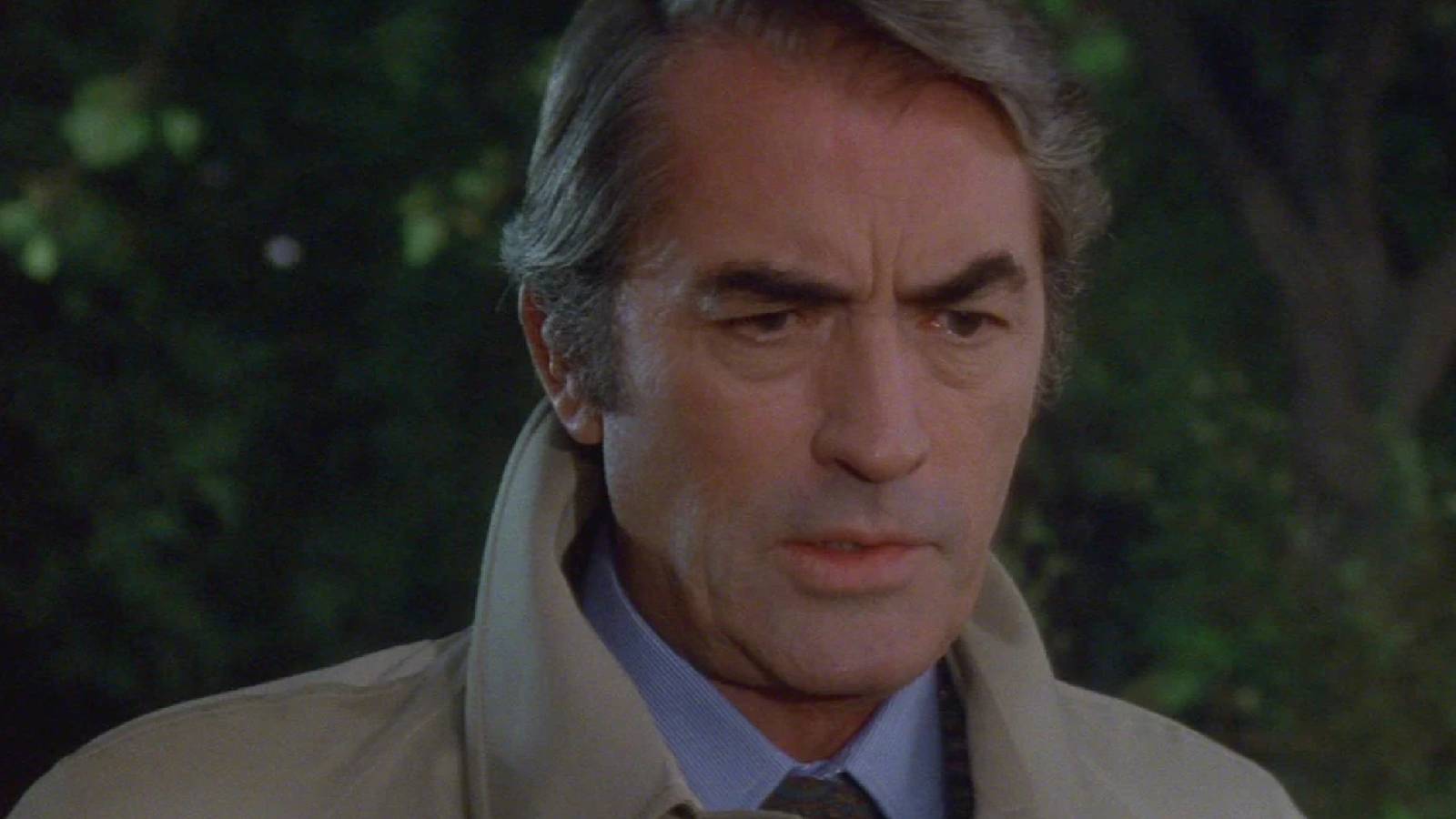
The success of "The Omen" is inextricably linked to Richard Donner's precise direction and the compelling performances of its lead actors. Gregory Peck, as Robert Thorn, delivers a portrayal of a father grappling with unimaginable horror and moral dilemma, conveying a profound sense of loss, disbelief, and eventual terror with nuanced intensity. Lee Remick, as Katherine Thorn, captures the escalating paranoia and maternal anguish with heartbreaking conviction. The naturalistic performances ground the supernatural elements, making the extraordinary circumstances feel terrifyingly real. Crucially, Harvey Spencer Stephens' unsettling performance as Damien, a child who effortlessly shifts between angelic innocence and chilling malevolence, is instrumental in making the central conceit so believable and disturbing.
Jerry Goldsmith's Iconic "Ave Satani"
No discussion of "The Omen" would be complete without acknowledging Jerry Goldsmith's Oscar-winning score. "Ave Satani," with its ominous Latin chants and foreboding orchestrations, is arguably one of the most iconic horror film scores ever composed. It functions as more than mere background music; it is an active participant in the horror, a liturgical invocation of evil that directly foreshadows and amplifies the film's sinister themes. The score creates a pervasive atmosphere of dread, ensuring that even in moments of quiet, the audience is reminded of the malevolent force at play. Goldsmith's innovative use of chorus and dissonance imbues the film with an almost sacred-profane quality, solidifying its thematic resonance and cementing its place in cinematic history.
Enduring Themes and Cultural Impact
Fifty years on, the themes explored in "The Omen" remain as potent and relevant as ever. The film delves into profound questions about the nature of evil, the struggle between free will and destiny, and the insidious corruption of innocence. It taps into deep-seated anxieties about religious prophecy, the fragility of the family unit, and the unsettling idea that one's greatest fears can materialize within their most cherished bonds. This exploration of universal human fears, rather than relying on transient trends, ensures its timeless appeal. The film's influence extends far beyond its immediate sequels, inspiring countless subsequent horror narratives that explore the psychological terror of a child who is not what they seem, or the insidious nature of an ancient, pervasive evil.
Its release in the 1970s, a decade marked by significant societal shifts and a growing disillusionment with traditional institutions, perfectly captured a zeitgeist of anxiety and uncertainty. The film's exploration of biblical prophecy resonated with audiences grappling with questions of faith and morality in a rapidly changing world. Its lasting cultural footprint is evident in how often its imagery and themes are referenced in popular culture, a testament to its powerful grip on the collective imagination. "The Omen" solidified the 'Antichrist child' trope, paving the way for numerous imitators but few equals, proving that its unique blend of suspense, performance, and thematic depth created a horror experience that truly defined an era.
From its meticulous build of psychological tension to its unforgettable imagery and chilling score, "The Omen" remains a cinematic marvel that transcends its genre. Its enduring power to unsettle and provoke thought ensures its rightful place not just as a horror classic, but as a foundational piece of filmmaking that continues to influence and inspire. As we celebrate its 50th anniversary, it’s clear that Damien’s chilling legacy is far from over. Dive deeper into the world of cinematic terror and discover more masterpieces that define the genre. Explore additional articles and reviews on CineSpectrum.com to fuel your passion for film!
Fonte: https://screenrant.com