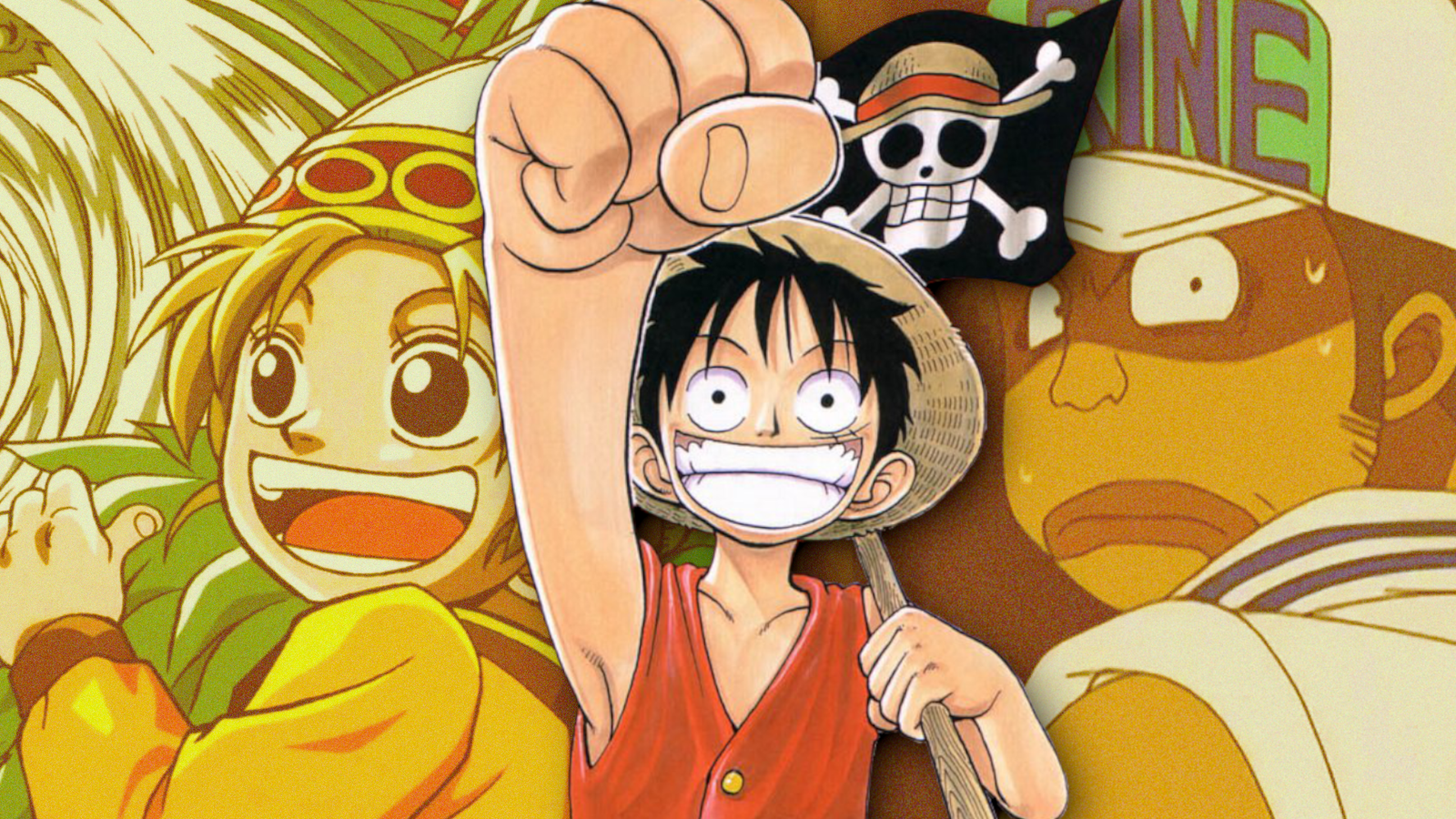
For over two decades, <i>One Piece</i> has captivated audiences worldwide, establishing itself as a titan in the anime and manga landscape. With more than 1100 episodes aired and its narrative still unfolding, the saga of Monkey D. Luffy and the Straw Hat Pirates has become a multi-generational phenomenon. Viewers who started as children have now shared their love for this epic journey with their own families, testament to its enduring appeal and profound character development. However, the very longevity that makes <i>One Piece</i> so beloved also introduces a common challenge for long-running anime adaptations: the presence of filler episodes. These non-canon segments, crucial for maintaining production schedules and allowing the source material's creator, Eiichiro Oda, to stay ahead, can sometimes interrupt the flow of the main story.
Understanding Filler: The Necessity of Pacing in Anime Production
Filler refers to original content created by the animation studio that does not originate from the manga or source material. This practice is widespread in anime adaptations of popular manga series, especially those that run concurrently with their print counterparts. The primary reason for filler is practical: it gives the manga artist, in this case, Eiichiro Oda, adequate time to produce new chapters without the anime catching up too quickly. Anime production operates on a weekly schedule, and if the anime's pace matches that of the manga too closely, the animated series would soon exhaust its source material. Historically, studios often resorted to creating entire non-canon arcs or standalone episodes to bridge these gaps, ensuring a continuous broadcast schedule.
While filler can sometimes offer lighthearted diversions or expand on minor characters, it often deviates from the manga's established narrative, characterizations, and future plot points. This can lead to inconsistencies, pacing issues, and a sense of stagnation for viewers eager to follow the main storyline. For new viewers attempting to catch up on hundreds of episodes, or for existing fans seeking a streamlined experience, identifying and potentially skipping these non-canon episodes becomes a valuable strategy to maintain engagement and focus on the core narrative crafted by the original author.
One Piece's Unique Approach to Filler Content
Compared to some of its contemporaries from the late 1990s and early 2000s—such as <i>Naruto</i>, <i>Bleach</i>, or even certain arcs of <i>Dragon Ball Z</i>—<i>One Piece</i> is remarkably restrained in its use of traditional filler. While other long-running shonen anime often feature extensive, multi-episode filler arcs that can last for months, <i>One Piece</i>'s anime adaptation by Toei Animation has generally adopted a different strategy. Instead of injecting large blocks of non-canon material, the studio more frequently opts for a slower pacing of canon content, stretching a single manga chapter across more than one anime episode. This 'one chapter per episode' (or even less) approach minimizes the need for entirely original filler arcs but can sometimes result in prolonged scenes, extended reactions, or additional character interactions not present in the manga.
Despite this, <i>One Piece</i> does have its share of pure filler episodes and short arcs, though they are often strategically placed between major canon arcs or as standalone stories. These typically involve the Straw Hats visiting new, non-canon islands, engaging in comedic adventures, or facing minor antagonists not present in Oda's original work. Examples include the 'Warship Island Arc' or various 'Marine Rookie' episodes. Additionally, the anime occasionally incorporates 'padding' within canon episodes, adding scenes or expanding dialogue to extend episode runtime without creating entirely new plotlines. This subtle form of content expansion is less jarring than pure filler arcs but still contributes to the anime's slower overall pace compared to the manga.
The Impact of Filler on the Viewing Experience
For dedicated fans, understanding the distinction between canon and filler is crucial for shaping their viewing journey. Skipping filler allows viewers to experience Eiichiro Oda's carefully constructed narrative exactly as he intended, preserving the story's momentum and avoiding potential plot contradictions. This is particularly beneficial for those binge-watching the series, as non-canon content can significantly prolong the catch-up process. By focusing solely on manga-adapted episodes, viewers can navigate the vast world of <i>One Piece</i> more efficiently, ensuring they reach pivotal plot points and character developments without unnecessary detours.
Conversely, some viewers might appreciate filler for what it offers: additional time with beloved characters, exploration of the world beyond the manga's scope, or simply a break from intense canonical arcs. While not essential to the main plot, some filler episodes provide lighthearted moments or expand on the crew's dynamics in ways the manga might not. Ultimately, the decision to skip or watch filler is a personal one, influenced by a viewer's priorities—whether it's maximizing story coherence and efficiency, or embracing every moment the Straw Hats have to offer, canon or not. Having access to a reliable filler guide empowers viewers to make an informed choice that best suits their individual preferences.
Navigating the Grand Line: Why a Filler Guide is Essential
With over a thousand episodes, <i>One Piece</i> presents a formidable viewing commitment. For newcomers and veterans alike, a comprehensive guide identifying filler episodes acts as an invaluable map for navigating the Grand Line of its animated content. Such a resource enables viewers to strategically bypass non-essential content, allowing them to experience the primary narrative arc crafted by Eiichiro Oda without interruption. This becomes particularly important as the series delves into increasingly complex and interconnected storylines, where every canonical detail contributes significantly to the overarching saga. By focusing on the core journey, viewers can maintain a tighter grasp on the plot's intricacies, character motivations, and the grand mysteries that define the <i>One Piece</i> universe.
Moreover, a well-structured filler guide often differentiates between pure filler arcs, mixed canon/filler episodes, and specials, offering nuanced recommendations. This level of detail helps viewers understand the degree to which an episode deviates from the manga, allowing for more informed decisions. For instance, some mixed episodes might contain crucial canon moments surrounded by expanded, non-canonical scenes, warranting a selective approach rather than an outright skip. Such tools are not about diminishing the anime's contribution but about optimizing the viewing experience to align with individual preferences for pacing and narrative fidelity, ensuring that the magic of Luffy's quest for the One Piece remains as impactful and unadulterated as possible.
Whether you choose to meticulously follow every adventure or streamline your journey through the Grand Line, understanding the role of filler in <i>One Piece</i> enhances your appreciation for this monumental series. To explore more in-depth analyses, character breakdowns, and the latest news from the world of anime and manga, continue browsing NAME OF SITE, your ultimate resource for comprehensive and engaging content.
Fonte: https://screenrant.com