The year 2026 is poised to be a momentous occasion for fans of He-Man and the sprawling universe of Eternia, marking the highly anticipated return of a live-action Masters of the Universe film to the silver screen after an absence of nearly four decades. This cinematic revival invites a critical look back at its predecessor, the 1987 movie also titled "Masters of the Universe," which starred the formidable Dolph Lundgren as the iconic muscular hero. Despite its initial box office struggles, the 1987 film has carved out a unique place in pop culture, evolving into a beloved cult classic and setting the stage for renewed interest in the franchise's big-screen potential. Understanding the factors that contributed to its original commercial underperformance is crucial for appreciating the challenges and opportunities facing the upcoming adaptation, as Hollywood seeks to harness nostalgia while crafting a compelling narrative for a new generation.
The Ambitious Dawn of a Franchise: Masters of the Universe (1987)
Released during the height of the Masters of the Universe toy line's popularity and the animated series "He-Man and the Masters of the Universe," the 1987 film represented an ambitious leap for the burgeoning franchise into live-action cinema. Produced by Cannon Films, a studio known for its prolific output of action and sci-fi B-movies, the movie aimed to capitalize on the characters' widespread recognition. Directed by Gary Goddard, the film sought to blend the fantastical elements of Eternia with a more grounded, albeit still adventurous, narrative structure. Dolph Lundgren, fresh from his breakthrough role as Ivan Drago in "Rocky IV," brought a physical presence perfectly suited to He-Man, while Frank Langella delivered a memorable, theatrically sinister portrayal of Skeletor. The cast also included a young Courteney Cox in one of her early film roles, adding a touch of relatability for audiences new to the lore.
The production design was notable for its attempt to bring the vibrant, often outlandish, aesthetics of Eternia to life with practical effects and elaborate sets, despite the constraints of a reported $22 million budget. The filmmakers faced the challenge of translating a rich, cartoonish world into a cinematic experience that could appeal to both its core young audience and a broader demographic. This era of filmmaking often saw toy franchises transition to the big screen, with varying degrees of success, and "Masters of the Universe" was no exception in its high hopes to establish a new blockbuster series.
Unpacking the Box Office Conundrum: Why the 1987 Film Underperformed
Despite its recognizable intellectual property and enthusiastic fanbase, "Masters of the Universe" struggled significantly at the box office, grossing just over $17 million domestically against its $22 million budget. This commercial disappointment can be attributed to several converging factors that, in hindsight, offer valuable lessons for future adaptations. One primary issue was the intense competition in the summer of 1987, a period saturated with iconic films. It faced off against critically acclaimed and commercially successful releases such as Paul Verhoeven's "RoboCop," John McTiernan's "Predator," and Brian De Palma's "The Untouchables," among others. In this crowded landscape, "Masters of the Universe" struggled to carve out sufficient cinematic real estate.
Marketing Missteps and Target Audience Disconnect
Another significant factor was a perceived misdirection in its marketing and narrative approach. While the source material, particularly the animated series, was primarily targeted at children, the film adopted a darker, more serious tone and often violent sequences that felt at odds with the innocence of the cartoon. Promotional materials sometimes failed to clearly communicate the film's essence, alienating segments of its core audience who expected a direct translation of the animated adventures, while not fully capturing the interest of older viewers seeking more mature science fiction or fantasy. The decision to set a substantial portion of the story on Earth, rather than exclusively in Eternia, also diluted the fantastical escapism that drew many to the franchise in the first place, leading to criticism from loyal fans who felt the film strayed too far from its roots.
Critical Reception and Financial Reality
The film also received a largely negative reception from critics upon its release, with many reviews citing its uneven pacing, simplistic plot, and perceived disconnect from the source material. While some praised Lundgren's physical presence and Langella's compelling performance as Skeletor, these elements were often overshadowed by criticisms of the overall execution. For a film produced by Cannon Films, which often operated with tighter budgets and faster production schedules, such critical appraisal, combined with its inability to break even at the box office, contributed to its initial failure to launch a successful cinematic franchise.
The Enduring Power of Eternia: Cult Status and Lessons Learned
Despite its initial commercial and critical shortcomings, the 1987 "Masters of the Universe" film steadily gained a dedicated cult following over the decades. Its blend of classic fantasy archetypes, memorable practical effects, and Lundgren's stoic yet heroic portrayal of He-Man resonated with viewers who discovered it through home video and television reruns. For many who grew up with the He-Man toys and cartoons, the film became a nostalgic touchstone, appreciated for its unique interpretation of the universe rather than its strict adherence to canon. This enduring appeal highlights the strength of the Masters of the Universe brand itself and the timeless nature of its core themes: good versus evil, heroism, and the eternal struggle for power.
The journey of the 1987 film from box office disappointment to cult classic offers valuable insights for the upcoming 2026 adaptation. It underscores the importance of balancing fan expectations with creative vision, understanding the nuances of target demographics, and the challenges of translating beloved intellectual property across different media. The legacy of the original film proves that even commercially unsuccessful ventures can find an audience and cultural relevance over time, fueling the potential for future iterations.
A New Dawn for Eternia: Anticipating the 2026 Masters of the Universe Film
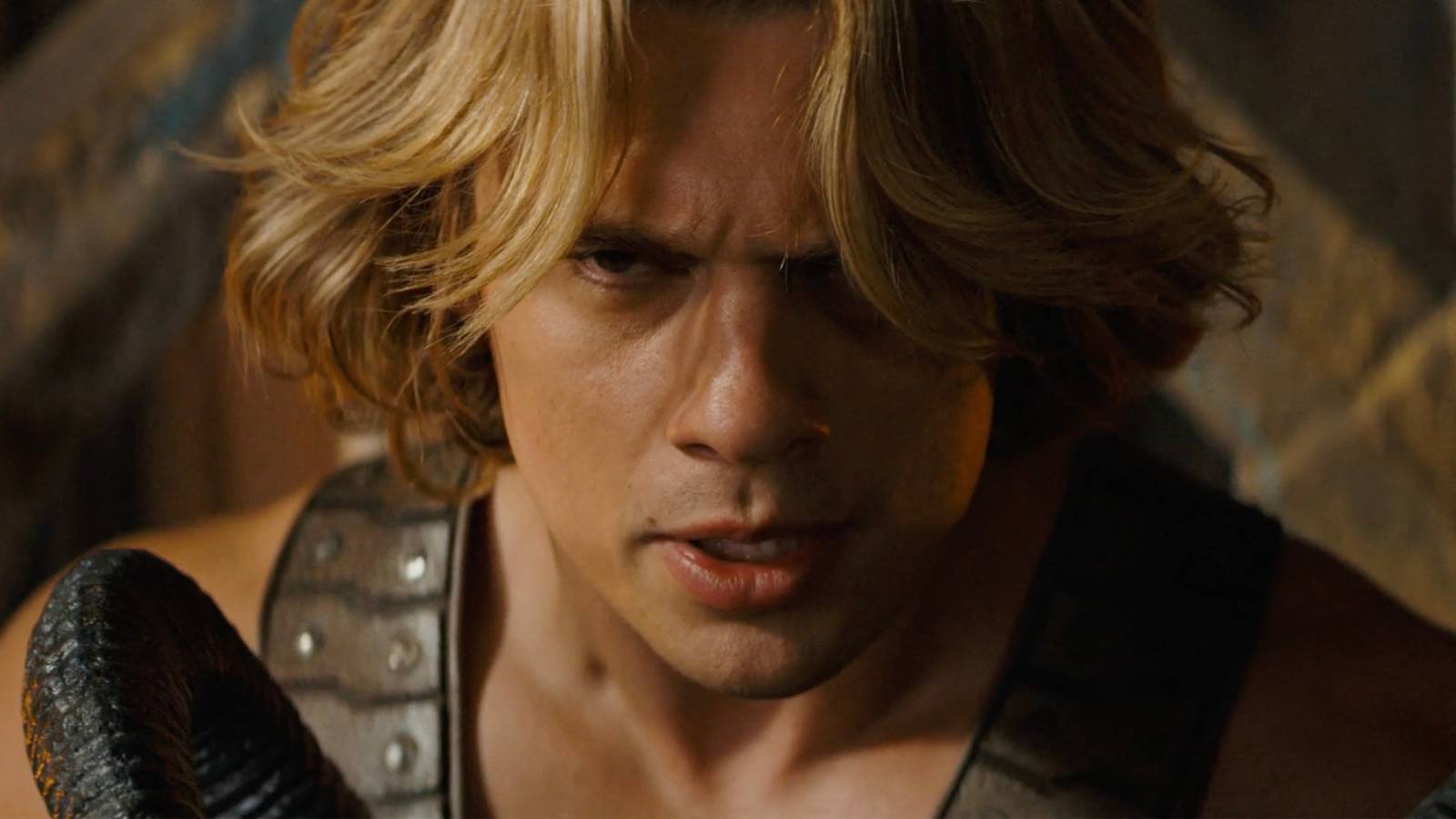
The announcement of a new "Masters of the Universe" film slated for 2026, with Travis Knight (known for "Bumblebee" and "Kubo and the Two Strings") at the helm and Amazon MGM Studios distributing, signals a significant new chapter for the franchise. This upcoming iteration arrives after years of development hell, with various studios and filmmakers attempting to bring He-Man back to the big screen. The renewed interest is largely driven by a powerful wave of nostalgia, coupled with the proven success of other franchise reboots and adaptations in contemporary cinema, demonstrating the lucrative potential of established intellectual properties. Details, such as the rumored casting of Nicholas Galitzine as He-Man, suggest a fresh approach while aiming to honor the saga's rich history.
The creative team behind the 2026 film faces the delicate task of crafting a narrative that respects the original source material and satisfies long-time fans, while simultaneously introducing the epic tale of Eternia to a new, younger audience. This involves modernizing certain elements without losing the inherent charm and thematic depth that made He-Man so enduring. With advancements in cinematic technology, the fantastical world of Eternia, Snake Mountain, and Castle Grayskull can be brought to life with unprecedented visual grandeur, offering an immersive experience that the 1987 film could only hint at. The challenge lies not just in spectacle, but in storytelling – ensuring that the core themes of courage, loyalty, and the fight against tyranny resonate profoundly with contemporary viewers.
The lessons from the 1987 film, particularly regarding marketing, tone, and fidelity to the source, provide a crucial roadmap. A successful reboot must find a harmonious balance, avoiding the pitfalls of alienating core fans while creating an accessible and engaging story for newcomers. The fervent anticipation surrounding the 2026 release suggests a robust appetite for He-Man's return, indicating that despite past cinematic missteps, the power of Grayskull continues to hold a potent influence over the imaginations of millions, promising a thrilling new era for Masters of the Universe on the global stage.
The saga of Eternia, from its toy origins to its enduring cinematic aspirations, is a testament to the timeless appeal of its characters and stories. As we look forward to 2026, the potential for a triumphant return for He-Man is palpable, offering a chance to finally fulfill the grand cinematic vision that began decades ago. To delve deeper into the intricate lore of Eternia, explore exclusive insights into upcoming film productions, and stay updated on all things pop culture, be sure to continue browsing NAME OF SITE for more in-depth analyses and breaking news!
Fonte: https://screenrant.com