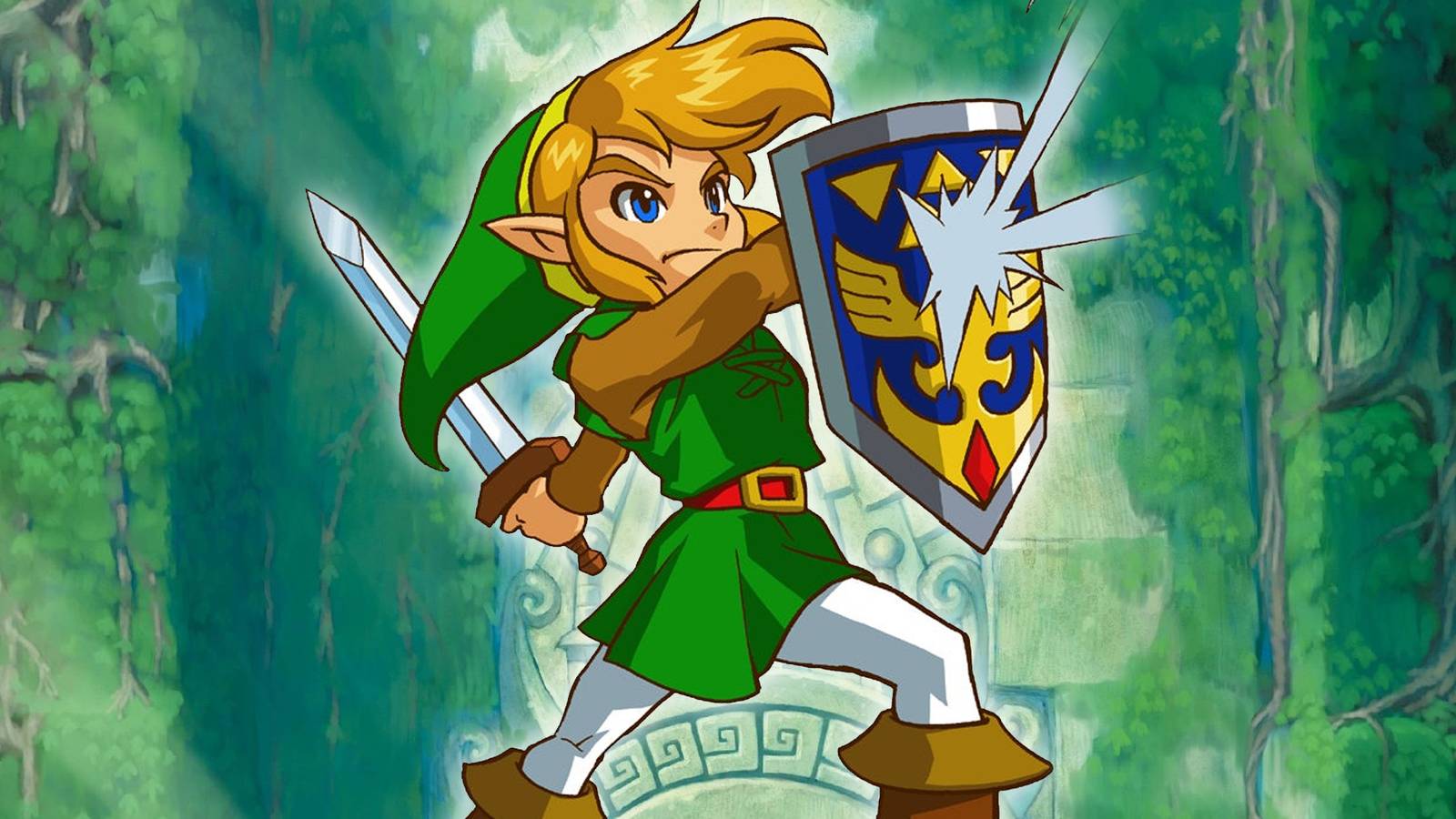
For over two decades, the unique charm and intricate design of *The Legend of Zelda: Oracle of Seasons* and *Oracle of Ages* have captivated a dedicated fanbase. Released in 2001 for the Game Boy Color, these titles marked a pivotal collaboration between Nintendo and Capcom's Flagship studio, pushing the boundaries of handheld gaming at the time. Unlike most entries in the acclaimed *Legend of Zelda* series, the Oracle games were conceived as a pair, designed to be played in conjunction, with each influencing the other to reveal a deeper, interconnected narrative and a grander true ending. This innovative dual-game mechanic, alongside their top-tier 2D gameplay, has cemented their status as beloved classics. Consequently, the fervent desire among fans for modern remakes, akin to the successful revitalization of *Link's Awakening*, is entirely understandable. However, bringing these particular adventures into the modern gaming landscape presents a significant hurdle, one that few in the community have thoroughly considered, posing a unique challenge for any developer tasked with their revival.
The Enduring Legacy of a Dual Adventure: Oracle of Ages and Seasons
The development of *Oracle of Ages* and *Oracle of Seasons* was a groundbreaking endeavor, born from a collaboration intended to produce a trilogy. Ultimately, the project was distilled into two distinct yet deeply intertwined games. Capcom's Flagship, under the guidance of Yoshiki Okamoto and with Hidemaro Fujibayashi as director, brought a fresh perspective while maintaining the core tenets of the Zelda universe. *Oracle of Seasons* emphasized action-oriented gameplay, challenging players with combat encounters and environmental puzzles that revolved around manipulating the changing seasons within the land of Holodrum. Conversely, *Oracle of Ages* was a more cerebral experience, set in the land of Labrynna, focusing on complex puzzles, time travel mechanics, and strategic thinking. Both games received critical acclaim upon release for their innovative design, expansive worlds, and compelling storylines, quickly becoming standout titles in the Game Boy Color library.
What truly set the Oracle series apart was its groundbreaking 'linked game' feature. By connecting the two cartridges via a Game Link Cable, or later through passwords exchanged between games on separate consoles, players could carry over progress, items, and story elements from one adventure to the next. This not only provided a rich continuity but also unlocked new areas, powerful upgrades, and crucial narrative sequences, culminating in a definitive 'true ending' that resolved the overarching story of the villain Twinrova and the ultimate threat of Ganon. This mechanic transformed two standalone experiences into a single, epic saga, rewarding players who invested in both titles with a profoundly expanded and integrated journey that felt greater than the sum of its parts. This ingenious design decision fostered a unique sense of discovery and achievement, deeply embedding the dual nature of the games into the collective memory of the Zelda community.
The Modern Remake Trend in The Legend of Zelda Franchise
Nintendo has cultivated a strong tradition of revisiting and revitalizing beloved entries in *The Legend of Zelda* series for contemporary platforms. This strategy has yielded tremendous success, reintroducing classics to new generations of players while invoking nostalgia for long-time fans. Notable examples include *The Legend of Zelda: Ocarina of Time 3D* and *Majora's Mask 3D* for the Nintendo 3DS, which modernized their visuals and introduced quality-of-life improvements. More recently, the critically acclaimed remake of *Link's Awakening* for the Nintendo Switch demonstrated how a classic 2D Zelda adventure could be reimagined with stunning new graphics and refined gameplay, resonating strongly with both critics and consumers. Other HD remasters like *The Wind Waker HD* and *Twilight Princess HD* for the Wii U, and *Skyward Sword HD* for the Switch, further underscore Nintendo's commitment to preserving and enhancing its esteemed catalog. Given this trend, the Oracle games appear to be ideal candidates for a modern overhaul, possessing all the hallmarks of titles ripe for a visual upgrade, gameplay refinements, and a reintroduction to a broader audience.
Unpacking the Core Concern: The Interconnected Narrative Challenge
Despite the obvious appeal of modern Oracle remakes, the unique 'linked game' mechanic presents a substantial design and technical challenge that sets them apart from previous Zelda remakes. The original Game Boy Color titles necessitated two separate cartridges and a physical Game Link Cable to fully experience the expansive, true narrative. In today's digital-first gaming landscape, where games are predominantly downloaded or played from a single cartridge, replicating this intricate linking process without compromising the original's intent or frustrating players is a complex task. The issue extends beyond mere technical implementation; it touches upon player expectation, design philosophy, and even the commercial viability of such a release. Developers must ponder how to authentically translate an experience intrinsically tied to dual physical media into a cohesive, modern digital offering.
Several facets of this challenge stand out. Firstly, the technical aspect: how would a modern remake simulate the 'linking' feature? Would it be a single, monolithic game where players seamlessly transition between *Seasons* and *Ages*? Or would they be two distinct digital downloads that communicate through a cloud save system or an in-game menu? The latter approach risks diluting the immediate, physical connection that defined the original experience. Secondly, the player experience: part of the original charm was the tangible act of connecting the Game Boy consoles, a ritual that reinforced the games' symbiotic relationship. Replicating this sense of achievement and discovery in a purely digital realm without it feeling arbitrary or forced is crucial. Thirdly, the narrative integrity: the true ending and extended story beats were explicitly locked behind the completion of both linked games. A remake would need to decide whether to maintain this structure, potentially requiring players to fully complete both extensive adventures, or to make the full story more accessible, possibly at the risk of undermining the original design's reward system. Finally, the commercial model: would these remakes be sold as a single package, a digital bundle, or two separate titles? Each option carries implications for pricing, perceived value, and player engagement with the core linking mechanic.
Potential Solutions and Precedents for Seamless Integration
Addressing the linked game challenge will require thoughtful innovation. One potential solution lies in an integrated design, where players start one adventure, and upon its completion, seamlessly transition to the other within the same game application. This could be facilitated by a central hub world or a dynamic menu system that tracks progress across both campaigns, automatically carrying over linked data. Another approach could involve releasing them as a definitive 'Oracle Duo' or 'Oracle Collection,' where the linking mechanism is an intuitive in-game menu option, perhaps offering a 'start linked game' feature from the outset once one title is completed. While this might lack the tactile charm of physical linking, it would prioritize player convenience and accessibility to the complete narrative. Nintendo could also draw inspiration from how modern collections handle save transfers or unlockable content, applying a sophisticated digital communication system between two distinct game files. Ultimately, the solution must honor the original spirit of interconnectedness while embracing the conveniences and expectations of modern gaming.
Beyond the Link: Other Considerations for a Modern Remake
While the linking mechanic is the primary concern, other aspects of an Oracle remake warrant careful consideration. The artistic direction will be paramount; the choice of visual style, whether adopting the charming diorama aesthetic of the *Link's Awakening* remake, opting for a classic pixel-art revival with modern effects, or exploring a new 2D-HD approach, will significantly impact the games' reception. Quality-of-life improvements are also essential for modern audiences, including refined inventory management, more accessible fast travel options, updated mapping systems, and potentially clearer hint mechanisms without oversimplifying the challenging puzzles. Accessibility features, such as customizable controls and difficulty settings, could also broaden their appeal. Furthermore, the decision of whether to introduce new content—be it additional dungeons, side quests, or expanded lore—or to remain faithfully adherent to the original blueprints will shape the experience. Lastly, the choice of platform, undoubtedly the Nintendo Switch or its successor, will influence technical capabilities and expected features, from enhanced rumble to amiibo functionality.
The successful revival of the Oracle series would not only reignite interest in these cherished titles but also showcase Nintendo's ability to innovate within its own legacy. By thoughtfully tackling the unique challenge of the linked game mechanic, alongside meticulous attention to visual modernization and player experience, a remake of *Oracle of Seasons* and *Oracle of Ages* could stand as a testament to the timeless appeal of the *Legend of Zelda* series and the enduring creativity of its developers. The potential for a brilliant, modern re-imagining is undeniably high, provided the teams involved approach the 'linking' issue with the same ingenuity that birthed the original dual adventure.
The yearning for a modern return to Holodrum and Labrynna is palpable among *The Legend of Zelda* enthusiasts, and the Oracle games certainly deserve to shine on current hardware. While the design challenge of their unique interconnectedness is substantial, it also presents an exciting opportunity for developers to innovate and redefine what a remake can be. The conversation around these potential remakes will undoubtedly continue as fans eagerly await official news. For more in-depth analyses of gaming's greatest sagas, developer insights, and all the latest news from the world of Nintendo, keep browsing NAME OF SITE. We are your premier destination for comprehensive content that dives deep into the stories and innovations shaping the gaming industry.
Fonte: https://screenrant.com