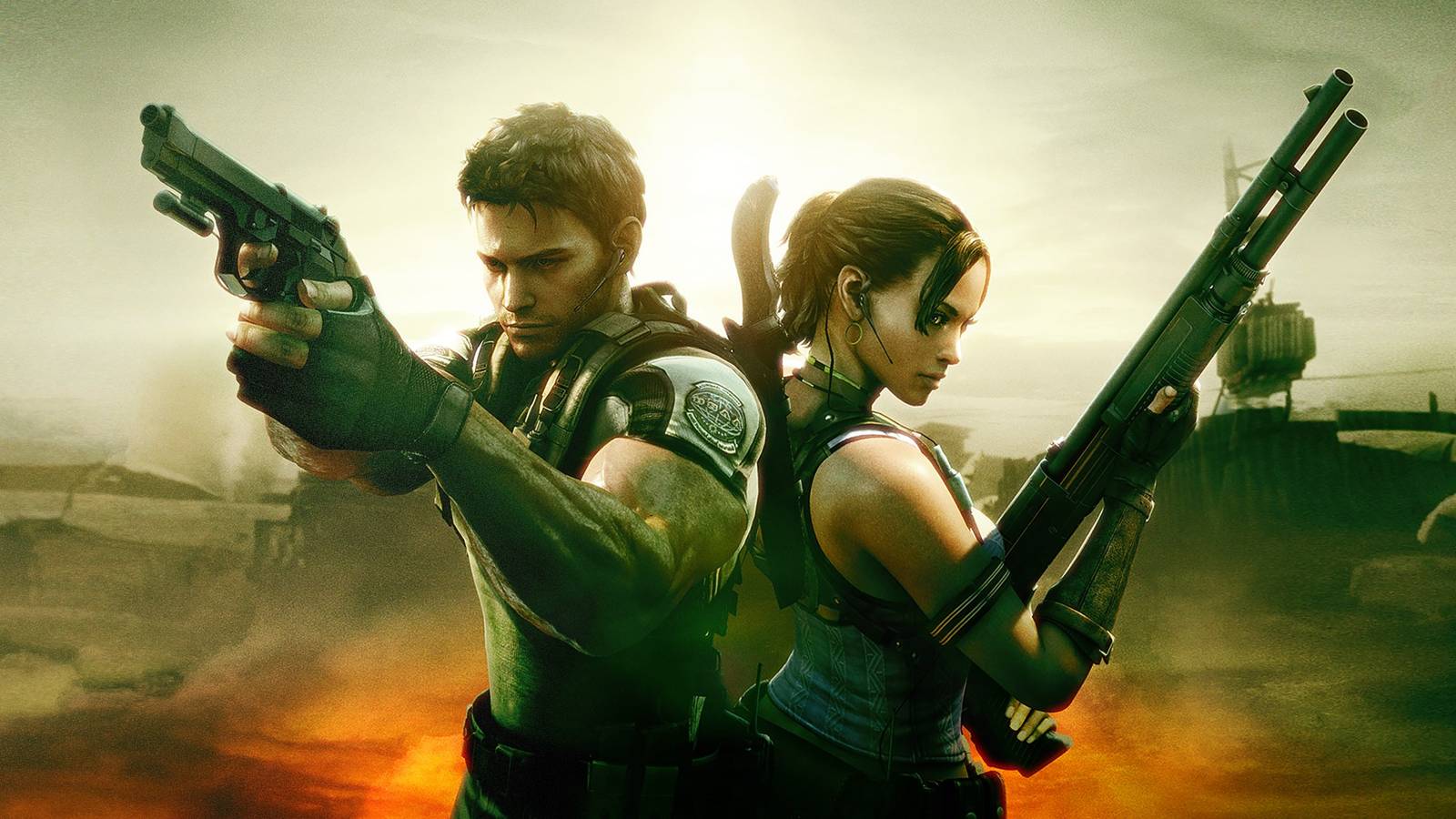
Capcom has meticulously cultivated a modern renaissance for its iconic Resident Evil franchise, skillfully blending innovative new narratives with deeply nostalgic reimaginations of classic entries. This strategic approach has been met with widespread critical acclaim and robust commercial success, solidifying the series' standing in the contemporary gaming landscape. Following the highly successful remakes of Resident Evil 2, Resident Evil 3, and Resident Evil 4, the gaming community has been abuzz with speculation about which title would next receive the modernization treatment. While the much-anticipated remake of Resident Evil – Code: Veronica has been officially announced, recent industry whispers suggest a significant pause in the projected remake pipeline, specifically concerning Resident Evil 5 and its polarizing successor, Resident Evil 6.
The Resurgent Success of Resident Evil Remakes
Capcom's recent wave of Resident Evil remakes has set a new benchmark for how classic horror games can be revitalized for a contemporary audience. The remake of Resident Evil 2, released in 2019, masterfully captured the oppressive atmosphere and intricate design of the original while introducing modern graphics, refined controls, and an over-the-shoulder camera perspective. This formula, which respected the source material while enhancing its playability, resonated deeply with both veteran fans and newcomers. Though Resident Evil 3's remake, launched in 2020, faced some criticism for its condensed narrative, it still delivered an intense action-horror experience. The true triumph, however, came with the Resident Evil 4 remake in 2023, which not only elevated the game's groundbreaking action but also polished its narrative and character interactions, proving that even a near-perfect game could be improved upon. This consistent delivery of high-quality remakes has naturally fueled expectations for a sequential overhaul of the entire mainline series.
Anticipation Builds for Resident Evil – Code: Veronica
Amidst the fervor for remakes, the announcement of Resident Evil – Code: Veronica's reimagining has been particularly welcomed by a dedicated segment of the fanbase. Released originally in 2000, Code: Veronica holds a unique place in the Resident Evil canon, serving as a direct sequel to Resident Evil 2 and Resident Evil 3, bridging crucial narrative gaps, and further developing characters like Claire Redfield and Chris Redfield. Historically, its initial release on the Sega Dreamcast, followed by a PlayStation 2 port, meant it never quite achieved the mainstream recognition of its numbered predecessors, despite offering a significant evolutionary step for the series' presentation and gameplay. Fans have long clamored for a modern remake, believing it could finally grant the game the widespread attention and refined experience it deserves, fitting perfectly within Capcom's current strategy of revisiting pivotal, albeit sometimes overlooked, entries in the saga.
The Uncharted Territory of Resident Evil 5 & 6 Remakes
While the linear progression of remakes might logically point toward Resident Evil 5 and 6, reports from within the industry suggest Capcom is currently grappling with the creative and strategic challenges these particular titles present. Unlike the earlier, more pure survival horror entries, Resident Evil 5 and 6 marked a significant pivot towards action-oriented gameplay, a design philosophy that clashes with the more horror-centric direction of the recent remakes. This divergence creates a unique dilemma for the developers: how to modernize these games while either embracing or re-contextualizing their action focus to align with the current brand identity, or perhaps, to reinvent them entirely without alienating their existing fanbase.
Resident Evil 5: Reconsidering a Co-op Classic
Resident Evil 5, released in 2009, moved the action to Africa and heavily emphasized cooperative gameplay. While commercially successful, its shift away from the series' horror roots towards a more explosive, buddy-cop action experience divided fans. A remake would need to address the criticisms regarding its often clunky AI companion and its departure from the psychological dread that defines early Resident Evil games. Capcom could potentially lean into the co-op aspect with enhanced mechanics and a more robust narrative focus on the relationship between Chris Redfield and Sheva Alomar. Alternatively, they might attempt to infuse more survival horror elements into its set pieces, perhaps by enhancing enemy variety and environmental tension. The challenge lies in retaining the game's identity as a distinct, action-packed chapter while making it feel cohesive with the meticulously crafted horror of the recent remakes.
Resident Evil 6: A Divisive Legacy and the Path Forward
Resident Evil 6, launched in 2012, remains arguably the most divisive entry in the entire franchise. Its sprawling narrative across multiple interconnected campaigns, each with a distinct tone ranging from horror to cinematic action, resulted in an experience that many found bloated and unfocused. The game's overwhelming emphasis on quick-time events, convoluted plot lines, and a near-complete abandonment of survival horror mechanics alienated a significant portion of the fanbase. For a potential remake, Capcom faces the formidable task of streamlining an excessively complex game without losing the ambition that defined it. This could involve radically re-envisioning its core mechanics, consolidating its disparate storylines, or even selectively focusing on certain character campaigns that best lend themselves to the modern Resident Evil remake aesthetic. The creative team would need to carefully consider how to transform a game often described as 'too much of everything' into a coherent and compelling experience that resonates with current player expectations.
Navigating Fan Expectations and Creative Vision
The reported hesitation concerning Resident Evil 5 and 6 highlights a broader tension between linear fan expectations and a developer's creative vision. While many players naturally assume a sequential remake strategy, Capcom's internal discussions likely revolve around the viability, appeal, and creative integrity of each project. Each remake requires substantial investment and a clear understanding of its unique selling points and potential pitfalls. The sheer magnitude of change required to bring Resident Evil 5 and especially Resident Evil 6 into alignment with the quality and tone established by the recent remakes might necessitate a deeper conceptual overhaul, which in turn demands more development time and a precise strategic direction. The company must weigh the desire to complete the remake saga against the potential risk of tarnishing the revitalized brand image with entries that are creatively challenging to modernize effectively.
The journey of the Resident Evil franchise is a testament to Capcom's commitment to innovation and reinvention. While the path for Resident Evil 5 and 6 remakes remains uncertain, the ongoing success of titles like Resident Evil 2, 3, 4, and the upcoming Code: Veronica demonstrates a clear artistic direction for the series. This period of deliberation underscores the complexity of modern game development and the intricate balance required to honor a legacy while forging a new future. For more in-depth analyses of gaming industry trends, exclusive interviews, and breaking news on your favorite titles, continue exploring the extensive content available on NAME OF SITE.
Fonte: https://screenrant.com