
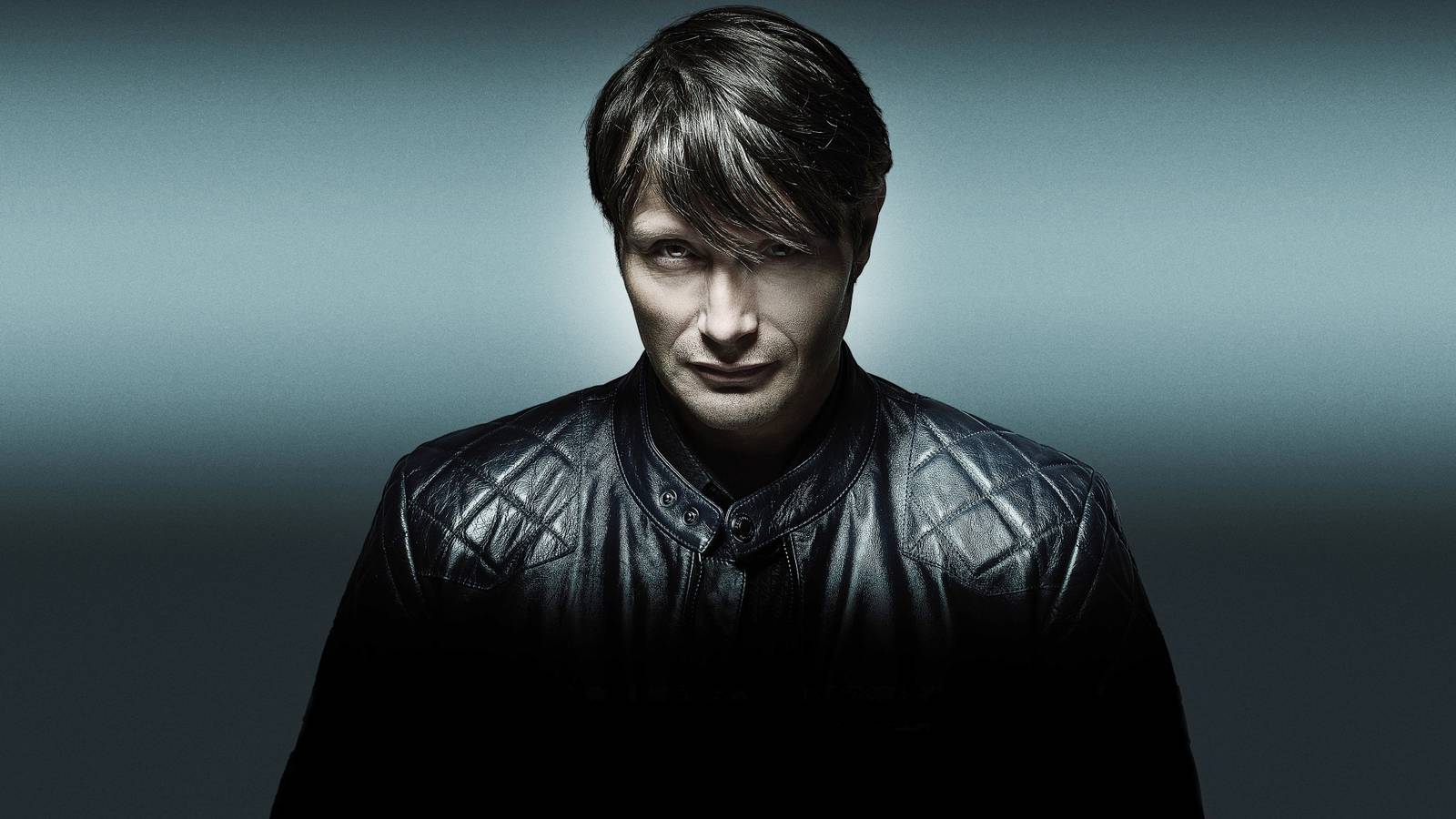
Among the pantheon of cinematic villains, few have carved out a legacy as profoundly disturbing and intellectually captivating as Dr. Hannibal Lecter. His unique blend of refined intellect, impeccable manners, and horrifying cannibalistic tendencies set him apart from any antagonist seen before or since in the crime thriller genre. From his chilling debut in literature to his iconic portrayals on screen, Lecter has consistently redefined the boundaries of evil, proving that terror can wear a sophisticated mask. The enduring fascination with this character ensures that any news of his return immediately commands global attention, and now, the announcement of his official comeback next month has ignited widespread excitement and trepidation among fans and critics alike.
The Genesis of a Cult Icon: From Page to Screen
The character of Hannibal Lecter first sprang from the imagination of author Thomas Harris, appearing in his 1981 novel, <i>Red Dragon</i>. However, it was the 1988 sequel, <i>The Silence of the Lambs</i>, that truly cemented his place in popular culture. Harris crafted a psychiatrist of extraordinary brilliance, capable of discerning the deepest psychological vulnerabilities of others, a trait he chillingly employs not for healing, but for manipulation and predatory analysis. This foundation established Lecter as a figure of dualities: a cultured connoisseur of fine arts and cuisine, yet a savage murderer with an insatiable appetite for human flesh. His articulate speech, keen observation skills, and a disarmingly polite demeanor make his monstrosity all the more unsettling, inviting readers and viewers into a complex psychological dance that blurs the lines between villainy and a strange, perverse form of justice.
The Definitive Portrayal: Anthony Hopkins's Legacy
While Brian Cox was the first to bring Lecter to life on screen in Michael Mann’s 1986 film, <i>Manhunter</i> (an adaptation of <i>Red Dragon</i>), it was Sir Anthony Hopkins’s indelible performance in Jonathan Demme’s 1991 masterpiece, <i>The Silence of the Lambs</i>, that became synonymous with the character. Hopkins appeared for a mere 16 minutes of screen time, yet his portrayal was so potent, so perfectly calibrated, that it earned him an Academy Award for Best Actor. He distilled Lecter’s essence into a series of piercing gazes, subtle vocal inflections, and an unnerving stillness that conveyed immense power and menace. His rendition presented Lecter not merely as a killer, but as a force of nature—a psychological predator who could disarm with a smile and dissect with a word. This performance established a benchmark for cinematic villainy that few have ever approached, let alone surpassed, further explored in subsequent films like <i>Hannibal</i> (2001) and <i>Red Dragon</i> (2002).
Expanding the Mythos: Other Notable Interpretations
The character's enduring appeal also led to a critically acclaimed television series, <i>Hannibal</i> (2013-2015), where Mads Mikkelsen took on the challenging role. Mikkelsen's portrayal offered a different, yet equally compelling, facet of the character. He presented a more actively elegant and outwardly composed Lecter, a practicing psychiatrist whose culinary artistry was depicted with a beautiful, albeit grotesque, aesthetic. This series delved deep into Lecter's pre-incarceration life and his complex, symbiotic relationship with FBI profiler Will Graham, exploring the psychological intricacies of their bond with a rich visual style and philosophical depth. Each actor, from Cox to Hopkins to Mikkelsen, brought a distinct interpretation, collectively enriching the character's mystique and demonstrating his versatility across various narrative formats, always maintaining the core elements of intellect, danger, and sophisticated depravity.
The Enduring Fascination with a Cultured Cannibal
What is it about Hannibal Lecter that resonates so deeply with audiences, transcending simple horror to achieve a status of cultural icon? Part of his allure lies in his complete mastery of self and situation. He embodies the forbidden allure of intelligence untethered from morality, a being who understands the human psyche better than anyone, yet chooses to exploit its weaknesses for his own gruesome satisfaction. His eloquence and refined tastes—classical music, fine art, gourmet cooking—stand in stark contrast to his brutal nature, creating a paradox that is both horrifying and strangely captivating. Lecter acts as a dark mirror, reflecting the hidden savagery that society strives to repress, making us question the thin veneer of civilization. He is a character who doesn't just commit acts of violence; he elevates them to an art form, making the viewer a reluctant witness to his dark genius.
Anticipating the Next Chapter: What His Return Entails
The news that Hannibal Lecter is officially set to return next month, in a project yet to be fully detailed, sends ripples of anticipation through the entertainment world. While the specific format—be it a new film, a limited series, a stage adaptation, or even a return to literature—remains shrouded in mystery, the implications are significant. Any new iteration of Lecter will undoubtedly face the immense challenge of living up to its predecessors, particularly the iconic performances of Hopkins and Mikkelsen. However, it also presents an opportunity to explore new facets of his character, perhaps delving into unexplored periods of his life, revisiting old acquaintances, or offering a fresh perspective on his psychological landscape. The creative team behind this return will need to navigate the delicate balance of honoring the character's established canon while introducing fresh narrative elements that justify his resurgence in a contemporary context, ensuring that his unique brand of terror continues to evolve.
The excitement surrounding Lecter’s return is a testament to his unparalleled impact on popular culture. His character has not only provided countless thrills but has also provoked deeper conversations about human nature, morality, and the very definition of evil. As the next month approaches, fans will be eagerly awaiting further details, preparing themselves for another deep dive into the mind of the most charming, terrifying, and unforgettable cannibal in fiction. His return promises not just another story, but a continuation of a legacy that continues to both shock and fascinate.
Exploring the Psychological Depths
Lecter's brilliance as a psychiatrist is often overshadowed by his culinary preferences, but it is precisely his profound understanding of human psychology that makes him such a formidable and enduring villain. He is a master manipulator, able to dissect personalities and exploit fears with surgical precision. This intellectual prowess allows him to gain control over situations and individuals, turning their vulnerabilities into his greatest weapons. His interactions are often less about physical confrontation and more about psychological warfare, where he systematically dismantles the emotional and mental defenses of his interlocutors. This makes him a villain whose power is derived not from brute force, but from an unparalleled grasp of the human condition, making him terrifyingly real and intellectually engaging rather than a mere monster.
The imminent return of Hannibal Lecter represents a pivotal moment for fans of psychological thrillers and complex character studies. As we brace ourselves for the next chapter in the saga of this iconic villain, the questions abound: Who will portray him? What new depths of his psyche will be explored? How will his legend evolve in a modern narrative landscape? To stay abreast of all the latest developments regarding Hannibal Lecter’s comeback and other captivating stories from the world of entertainment and beyond, be sure to keep browsing [NAME OF SITE] for in-depth analyses, breaking news, and exclusive content that will keep you informed and engaged.
Fonte: https://screenrant.com